Meta and EssilorLuxottica launch lower-priced AI smart glasses
Meta’s new smart glasses start at $299, a sharp cut from the $800 Ray-Ban Display, as the company tests whether cheaper AI wearables can still overcome privacy discomfort.
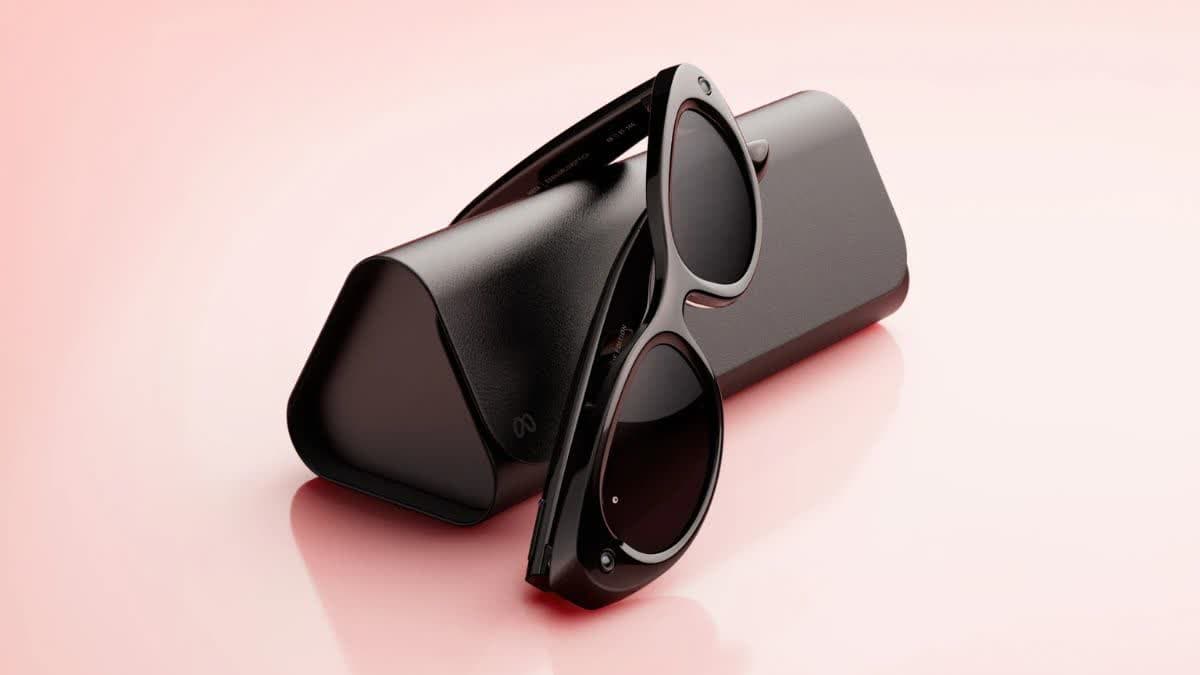
Meta Platforms and EssilorLuxottica introduced a $299 line of AI smart glasses on June 23, a move that lowers the cost of entry as the companies push glasses from niche gadgetry toward a mainstream consumer product. The new line comes in 26 styles across colors, lenses and frames, and the glasses are compatible with prescription lenses.
The launch also marks the first Meta AI glasses to ship with Meta AI powered by Muse Spark from day one. Muse Spark will roll out to AI glasses in the coming weeks as part of a broader push to make its assistant faster and smarter across its products.
At $299, the new model undercuts Meta’s earlier premium wearables by a wide margin. The price sits far below the $800 Ray-Ban Display glasses launched last year and is at least $80 cheaper than Meta’s entry-level second-generation Ray-Ban glasses. The new line is the first Meta smart glasses not tied to Ray-Ban or Oakley branding as Meta broadens the hardware beyond its most recognizable eyewear labels.

The strategy is aimed at pushing more buyers past the first hurdle: whether they will accept cameras and AI assistants on their faces in everyday settings. Mark Zuckerberg has long argued that glasses are the right form factor for personal superintelligence, and the glasses are meant to let AI see what the wearer sees and hear what the wearer hears throughout the day.
IDC put smart glasses without displays up 167% year over year in the first quarter of 2026, and Meta held about 69.2% of the market in that period. IDC data put global smart-glass shipments at 9.6 million units last year, with Meta accounting for about 76.1% of the total.
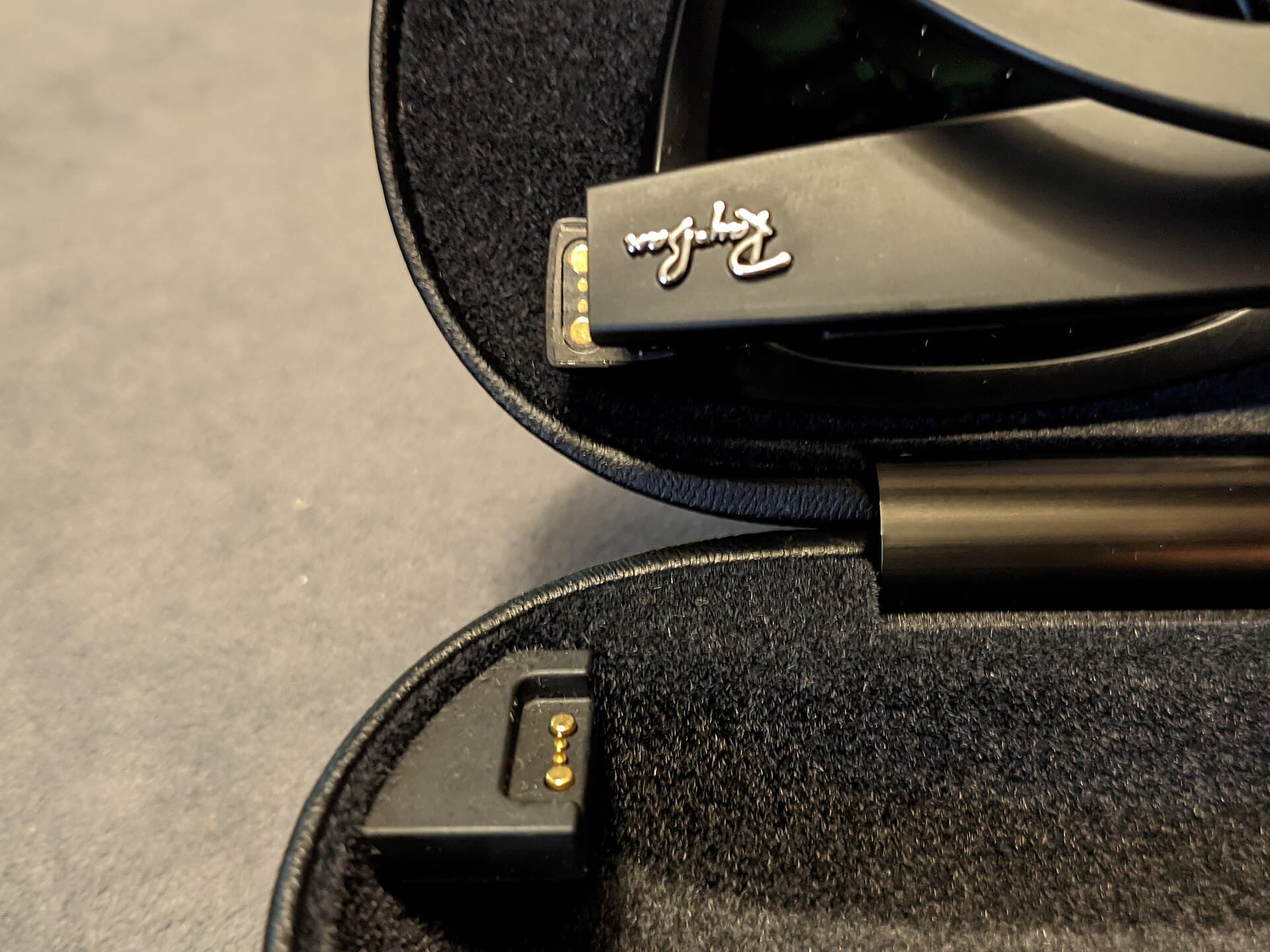
EssilorLuxottica sold over 7 million AI glasses last year, up from 2 million sold in 2023 and 2024 combined. Meta has also been widening the use cases beyond consumer fashion, including prescription-ready AI glasses and accessibility features for blind veterans and people with memory loss, even as privacy concerns remain the clearest constraint on whether smart glasses can move from early adopters to the mass market.
This article was produced by Prism’s automated news system from verified source data, official records, and press releases, then run through automated quality and moderation checks before publishing. The system is built and supervised by the people who set the standards it runs under. Read our full AI policy.
Know something we missed? Have a correction or additional information?
Submit a Tip