Metropolitan Police Ban London Al Quds March for First Time in 14 Years
London's annual Al Quds march has been banned by police citing extreme tensions and Iranian regime threats, marking the first use of the power since 2012.
The Metropolitan Police have banned London's annual Al Quds march, invoking for the first time in 14 years their power to prohibit a protest procession, after determining that the security risks surrounding the event were too severe to be managed through conditions alone.
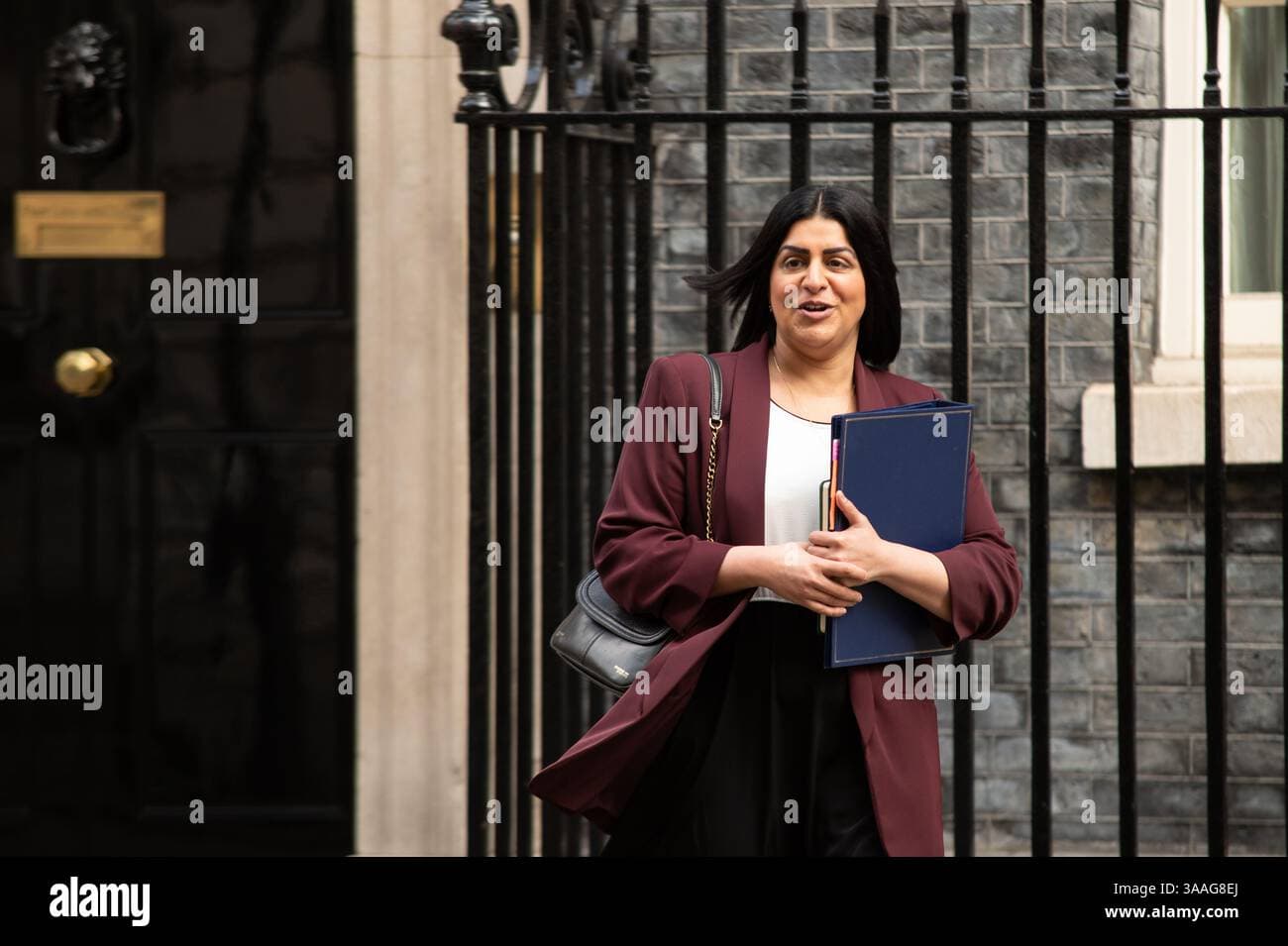
The march, organised by the Islamic Human Rights Commission and scheduled for central London on Sunday, March 15, has been prohibited along with any associated counter-protest marches. The ban took effect at 16:00 on Wednesday and will remain in place for one month. Home Secretary Shabana Mahmood approved the Metropolitan Police's request, Sky News reported, citing the need to "prevent serious public disorder."
Assistant Commissioner Ade Adelekan, the Met's public order lead, set out the force's reasoning in stark terms. "The Al Quds march is uniquely contentious having originated in Iran and in London is organised by the Islamic Human Rights Commission, an organisation supportive of the Iranian regime," he said. "Overall, the context is so uniquely complex and the risks are so severe that placing conditions on the protest will not be sufficient to prevent it from resulting in serious public disorder — running the risk of injury to members of the public, protestors, police officers and damage to property."
Police cited the volatile situation across the Middle East as a central factor, noting in their statement that they had considered "the likely impact on protests of the volatile situation in the Middle East, with the Iranian regime attacking British allies and military bases overseas." The security services, police added, "have been publicly clear about the threats we are facing on UK soil from the Iranian regime." The announcement came days after four men were arrested on suspicion of helping Iran's intelligence services conduct surveillance of people and locations linked to the Jewish community in London, Reuters reported.
Adelekan acknowledged the gravity of the decision. "The threshold to ban a protest is high and we do not take this decision lightly; this is the first time we have used this power since 2012," he said, adding that previous Al Quds marches "have resulted in arrests for supporting terrorist organisations and antisemitic hate crimes."
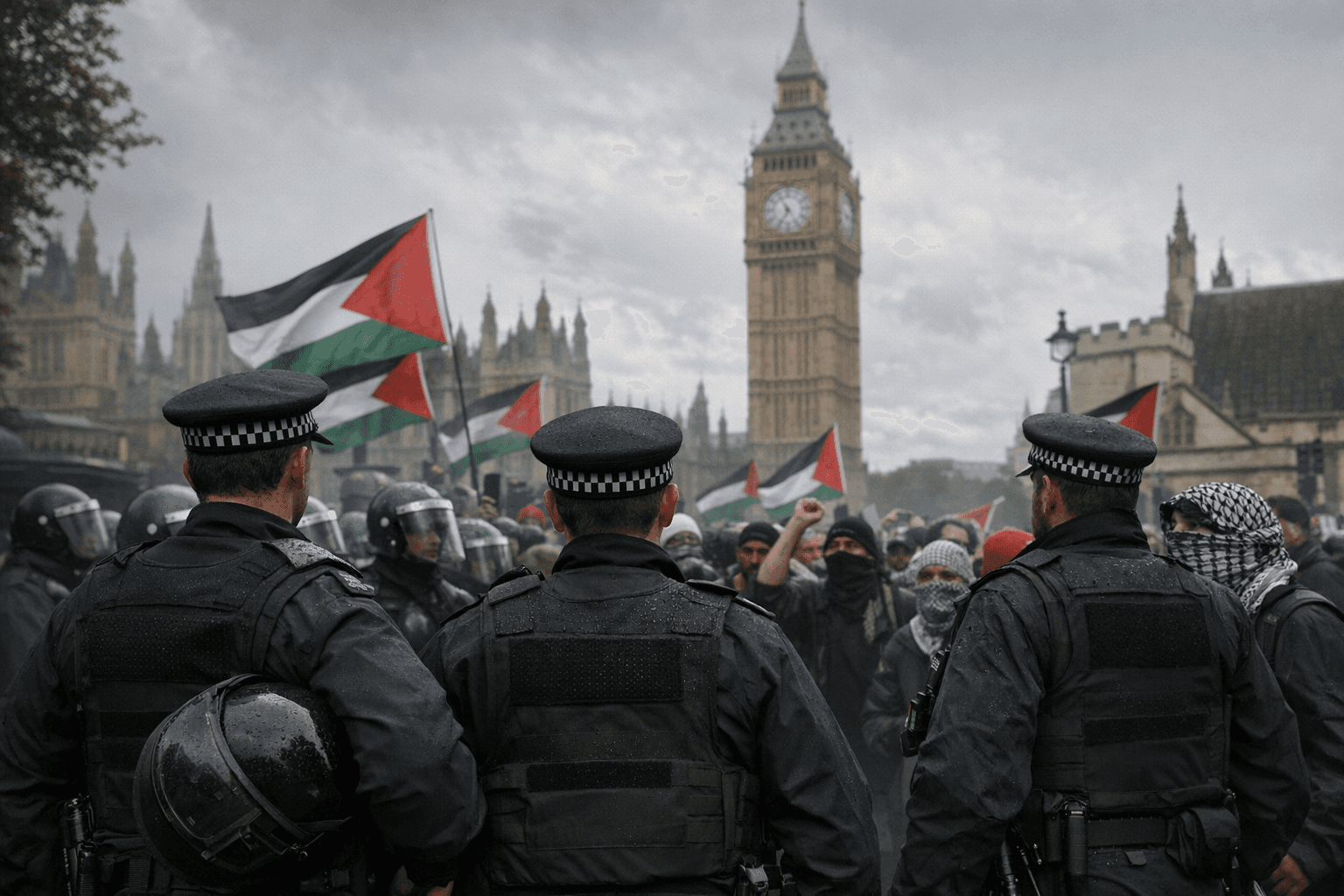
The IHRC condemned the ban as "politically charged." Its chair, Massoud Shadjareh, wrote to Met Commissioner Mark Rowley disputing what he called "exaggerated and patently false claims" that the march supports terrorism or antisemitism, insisting the demonstration "has always been good-natured and peaceful," Politico reported. The IHRC has previously stated the march is held in support of Palestinian liberation.
Political pressure for the ban had been building across party lines. A cross-party group of 90 politicians had urged Mahmood to act, while Courts Minister Sarah Sackman was publicly direct in her criticism. "I'm clear that hate on marches like the Al Quds march has no place in British society," she told Times Radio. To LBC, she added that marchers "shouldn't be on the streets of London calling for hate and hostility against this country."
Under British law, police can ban a procession but cannot prohibit a static assembly. If the IHRC opts to hold a stationary protest, the Met said it would impose strict conditions. Adelekan warned that despite the ban, officers were bracing for a difficult few days: "We will face a challenging, potentially violent weekend and will be supported by officers from around the country."
The decision intensifies a long-running national debate over the policing of politically sensitive demonstrations, a debate that has grown considerably more fraught since the Hamas attacks of October 7, 2023, and the subsequent conflict in Gaza.
Know something we missed? Have a correction or additional information?
Submit a Tip