Mexican army kills CJNG boss El Mencho, Guadalajara erupts in violence
The government confirmed military forces killed Nemesio Oseguera Cervantes 'El Mencho,' who had a $15 million US bounty; cartel retaliation shut roads and attacked Guadalajara airport.

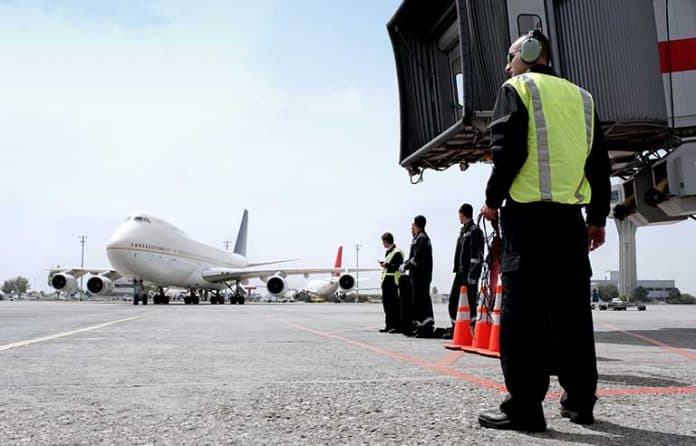
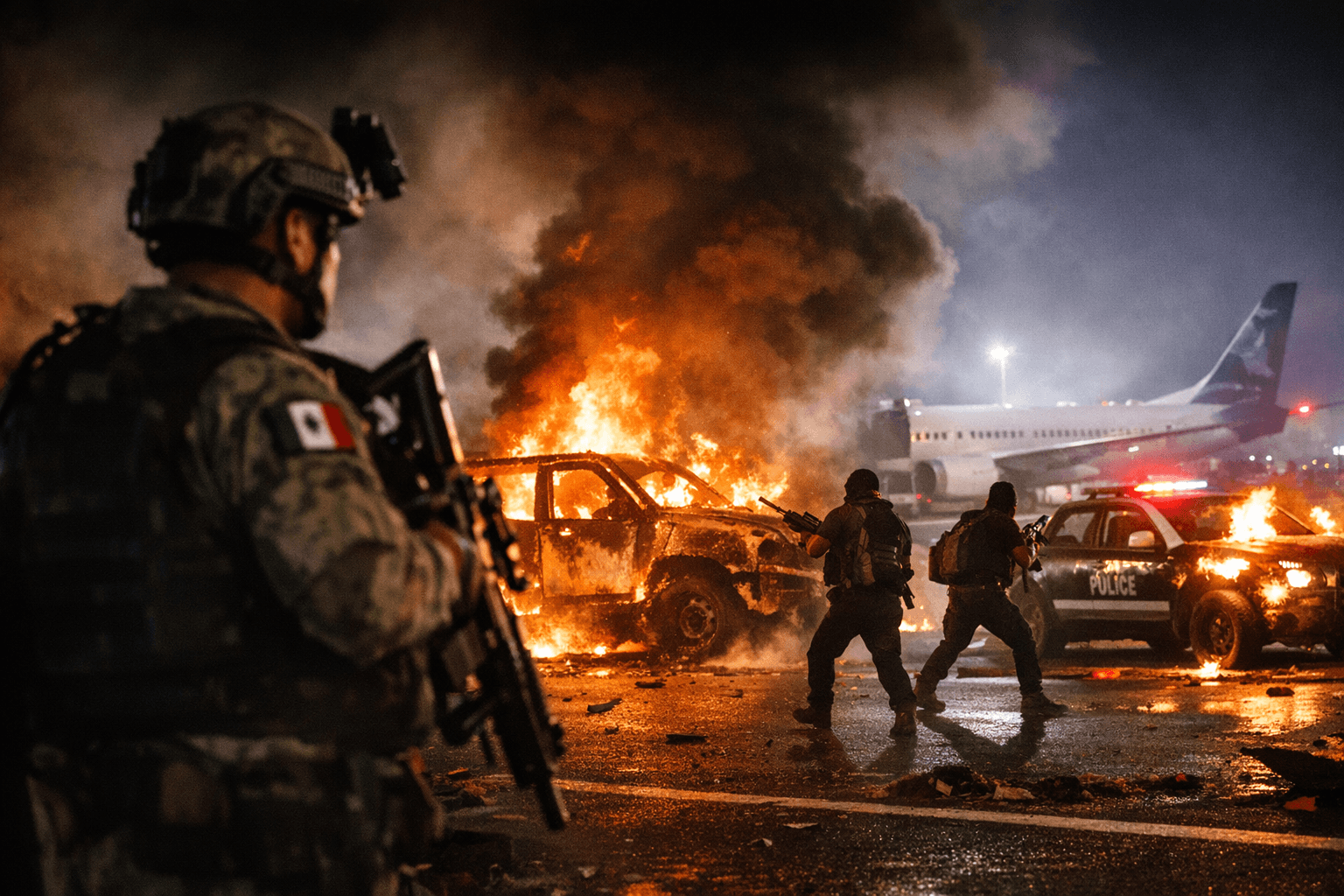
Mexican military forces killed Nemesio Oseguera Cervantes, known as El Mencho, the leader of the Jalisco New Generation Cartel (CJNG) and holder of a $15 million US bounty, the government confirmed on Sunday. Within hours the cartel launched coordinated retaliatory attacks across the state of Jalisco, including assaults on Guadalajara International Airport, roadblocks, vehicle fires and sustained clashes with security forces that have disrupted travel and deepened fear in affected communities.
The death of El Mencho represents a major disruption to one of Mexico's most powerful criminal organizations and, according to government statements, a significant blow to the cartel's role in fentanyl trafficking. The immediate fallout is violent and chaotic: highways serving Guadalajara, the state's capital and Mexico's second-largest city, were clogged by improvised barricades and burning vehicles, complicating the movement of emergency services and commerce. Authorities reported multiple security operations across municipalities, leaving neighborhoods sealed off at night and many residents unable to reach work, clinics or pharmacies.
Public health systems already strained by chronic underinvestment face acute risks as violence fractures transport and access. Emergency medical teams must navigate roadblocks to treat gunshot victims and civilians caught in clashes, while hospitals prepare for potential surges in trauma cases. Disruption of drug supply chains can also have unpredictable public health consequences. Past disruptions in illicit markets have been linked to supply fragmentation, the appearance of more heavily adulterated opioids and spikes in overdoses as users encounter unfamiliar or more potent products.
The event will reverberate beyond Jalisco. U.S. authorities had long pursued El Mencho with a $15 million reward, reflecting his cartel's deep ties to cross-border trafficking networks. The leader's death is likely to accelerate law-enforcement collaboration between Mexico and the United States even as it risks provoking violent jockeying for control of trafficking routes. In the short term, market fragmentation may push smaller groups into more aggressive and unregulated production and distribution, with serious implications for overdose prevention and harm-reduction efforts on both sides of the border.
For communities already bearing the brunt of cartel violence, the immediate priorities are clear: restore safe access to medical care, ensure ambulance corridors remain open, and supply local clinics and harm-reduction centers with naloxone and other essentials. Longer term, public health experts and community advocates warn that killing a single leader will not erase the structural drivers of organized crime, poverty, lack of formal employment, weak social services and limited addiction treatment options, that leave neighborhoods vulnerable to exploitation.
Policymakers face a dual challenge: maintain security to protect civilians while scaling up health and social supports to reduce demand and provide alternatives for people affected by substance use and violence. For residents of Guadalajara and other hard-hit towns in Jalisco, the day’s events underscore how swiftly a targeted security operation can ripple into disrupted hospitals, closed roads and heightened fear, and how essential it is that response efforts prioritize the most vulnerable.
This article was produced by Prism’s automated news system from verified source data, official records, and press releases, then run through automated quality and moderation checks before publishing. The system is built and supervised by the people who set the standards it runs under. Read our full AI policy.
Did this article answer your question?