Mexico arrests El Chapo nephew sought by U.S. authorities
Mexico seized El Chapo’s U.S.-wanted nephew in Sonora, while agents in Chiapas took 687 kilos of cocaine, 151 guns and 18 grenades.
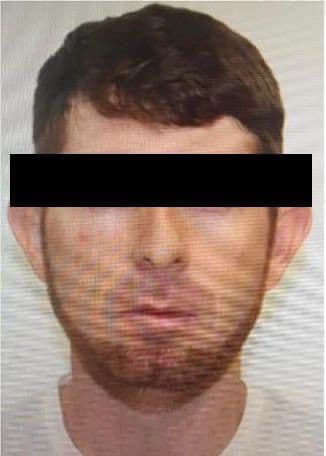
Mexican security forces detained the U.S.-wanted nephew of Joaquin “El Chapo” Guzman in Sonora, a capture that puts fresh pressure on one of the most closely watched branches of the Sinaloa cartel family. Security Secretary Omar Garcia Harfuch identified the suspect only as Isai “N” and said he was also wanted by the United States.
The arrest, carried out in the border state on May 26, came as part of coordinated Mexican security operations that also produced a separate haul in Tapachula, Chiapas: 687 kilos of cocaine, 151 guns, 363 magazines and 18 grenades. Together, the two actions underscored how Mexican authorities are trying to pair high-profile arrests with large seizures that target both leadership and logistics.
Mexican media identified the detained man as Isai Martinez Zepeda, and some reports said an extradition warrant was pending against him. If Mexico moves to send him to the United States, the case would follow a familiar path in the long-running campaign against the Guzman network, where arrests in Mexico have often become extradition cases in U.S. courts.
El Chapo himself was extradited to the United States in 2017 after escaping twice from Mexican prisons, a history that still defines how Washington and Mexico measure success against transnational drug organizations. He is serving a life sentence at the Supermax prison in Florence, Colorado. Even so, his imprisonment did not end the influence of the Guzman name, which continues to surface in major U.S. and Mexican enforcement actions.

That pressure has extended to the next generation. Ovidio Guzman Lopez pleaded guilty to federal drug charges in Chicago on July 11, 2025, and Joaquin Guzman Lopez has also drawn U.S. prosecutorial attention. The latest arrest suggests the family network remains a live target for both governments, but it also raises the question that has followed cartel arrests for years: whether removing one figure meaningfully weakens the organization, or simply pushes power, money and violence into new hands.
For U.S.-Mexico security cooperation, the Sonora arrest is less a finish line than a test. A possible extradition would show whether Mexican and U.S. authorities can keep coordinated pressure on the Guzman network, not just by capturing names that draw headlines, but by sustaining enough legal and operational momentum to limit the cartel’s ability to regroup.
This article was produced by Prism’s automated news system from verified source data, official records, and press releases, then run through automated quality and moderation checks before publishing. The system is built and supervised by the people who set the standards it runs under. Read our full AI policy.
Know something we missed? Have a correction or additional information?
Submit a Tip