Miami arrests sister of Cuban military-linked conglomerate leader
Federal agents arrested Adys Lastres Morera in Miami after revoking her green card, intensifying pressure on Cuba’s military-linked business empire.
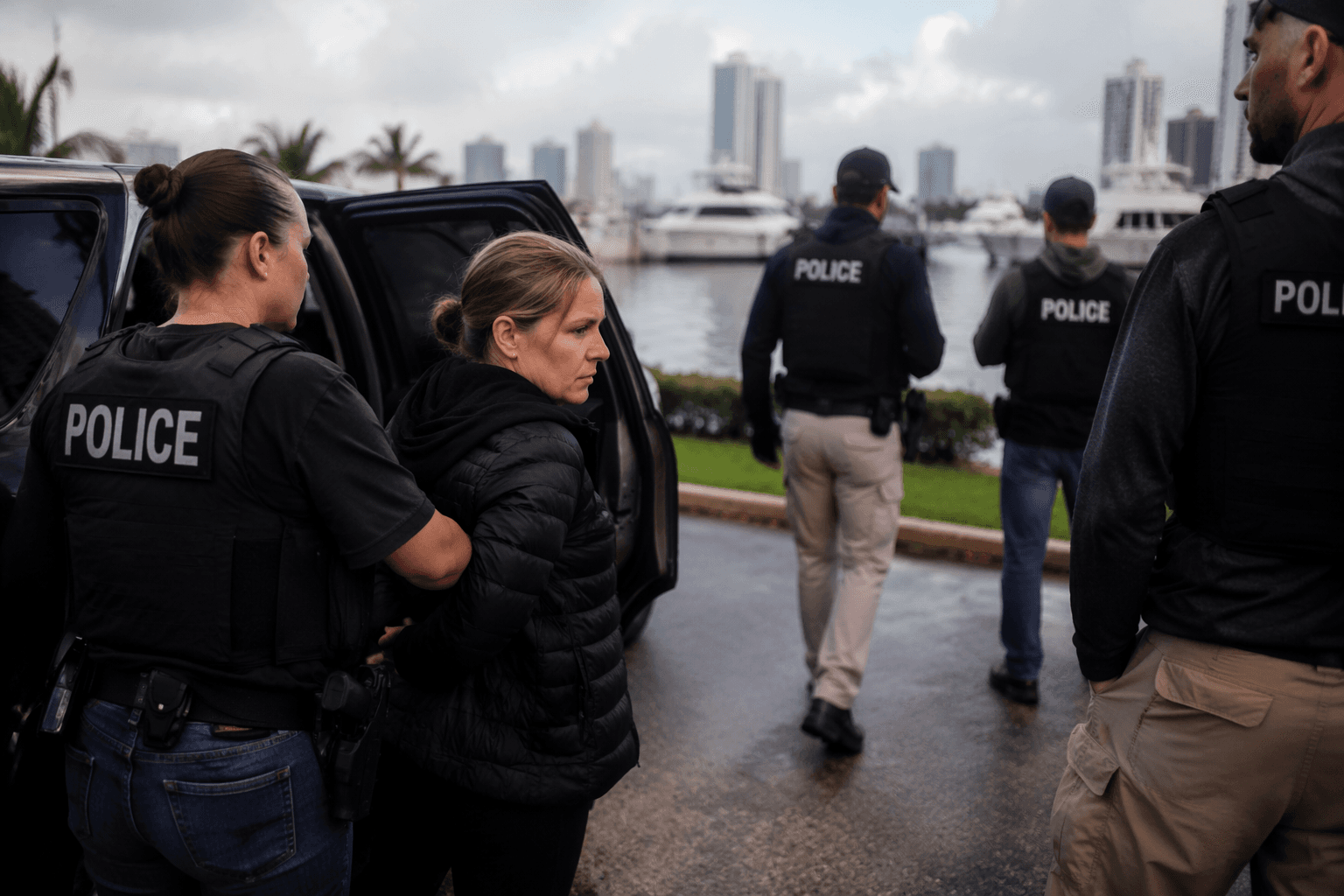
Federal agents arrested Adys Lastres Morera in Miami after Secretary of State Marco Rubio revoked her lawful permanent resident status, putting a fresh spotlight on Washington’s effort to squeeze Cuba’s military-linked business network in South Florida.
Immigration and Customs Enforcement said Homeland Security Investigations agents took Lastres Morera into custody after the revocation on Wednesday, May 20, 2026. ICE said she had entered the United States as a permanent resident on Jan. 13, 2023, and is now being held pending removal proceedings. Officials said her presence in the country poses a threat to U.S. national security and undermines American foreign policy interests.

Lastres Morera is the sister of Ania Guillermina Lastres Morera, the executive president of Grupo de Administración Empresarial S.A., known as GAESA, the powerful conglomerate tied to Cuba’s military. Rubio said she had been living in Florida while also aiding Havana’s communist regime. Neither Rubio nor ICE said whether she had been charged with a crime.
The case lands as the Trump administration escalates pressure on Havana’s financial and military elite. The State Department designated GAESA and Ania Guillermina Lastres Morera on May 7, 2026, under Executive Order 14404, issued May 1, 2026. The department said GAESA controls an estimated 40 percent or more of Cuba’s economy and likely holds up to $20 billion in illicit assets.
That scale matters because GAESA sits at the center of Cuba’s hard-currency engine, with reach across tourism, retail, shipping and other revenue streams that feed the military-controlled economy. By targeting both the conglomerate and family members linked to its leadership, Washington is signaling that it is willing to use immigration and sanctions tools not just against institutions, but against the personal networks that help keep them insulated.
The arrest also highlights South Florida’s role as a pressure point in the wider campaign against Havana-linked elites. Miami remains home to a large Cuban exile community and a natural base for U.S. enforcement efforts aimed at disrupting the flow of money, property and influence tied to the island’s ruling system.
The move comes amid mounting criticism of GAESA’s role in Cuba’s economy and a deepening islandwide crisis marked by energy shortages and blackouts. Cuban leadership rarely speaks publicly about the conglomerate, saying the secrecy is necessary because of the U.S. trade and financial blockade. With new sanctions in place and additional designations possible, the U.S. campaign now appears aimed at making GAESA’s offshore footprint far harder to protect.
Know something we missed? Have a correction or additional information?
Submit a Tip