UN court says right to strike is protected under labor treaty
The UN’s top court said strike action is protected under Convention 87, a 10-4 opinion that unions may use against employers and governments.
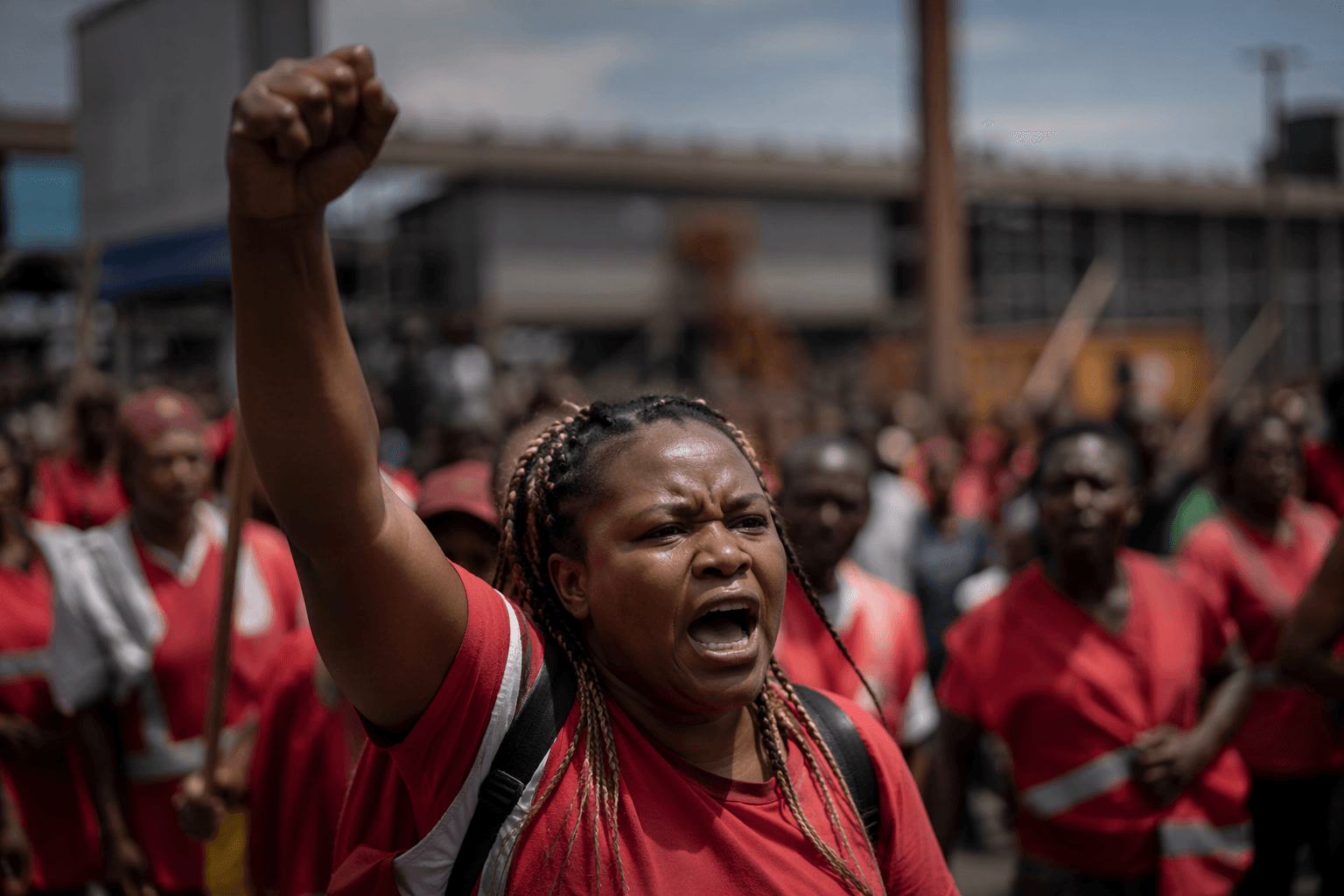
The United Nations’ top court handed unions a new legal weapon on May 21, ruling 10-4 that the right to strike is protected under a core labor treaty even though the treaty never names strikes outright. The advisory opinion from the International Court of Justice gives fresh legal cover to walkouts and labor organizing across systems that rely on Convention No. 87, but it stopped short of declaring an unlimited right.
That distinction matters. The court said its opinion does not determine the precise content, scope or conditions for exercising the right to strike, preserving room for national governments and legal systems to impose limits in narrowly defined circumstances. Still, advisory opinions from The Hague are not empty statements: they carry substantial legal and political weight, and can shape international labor standards, trade rules and later court fights. For unions facing legal challenges to collective action, the ruling offers a powerful citation point. For employers and governments, it raises the bar for arguments that strikes sit outside the treaty altogether.
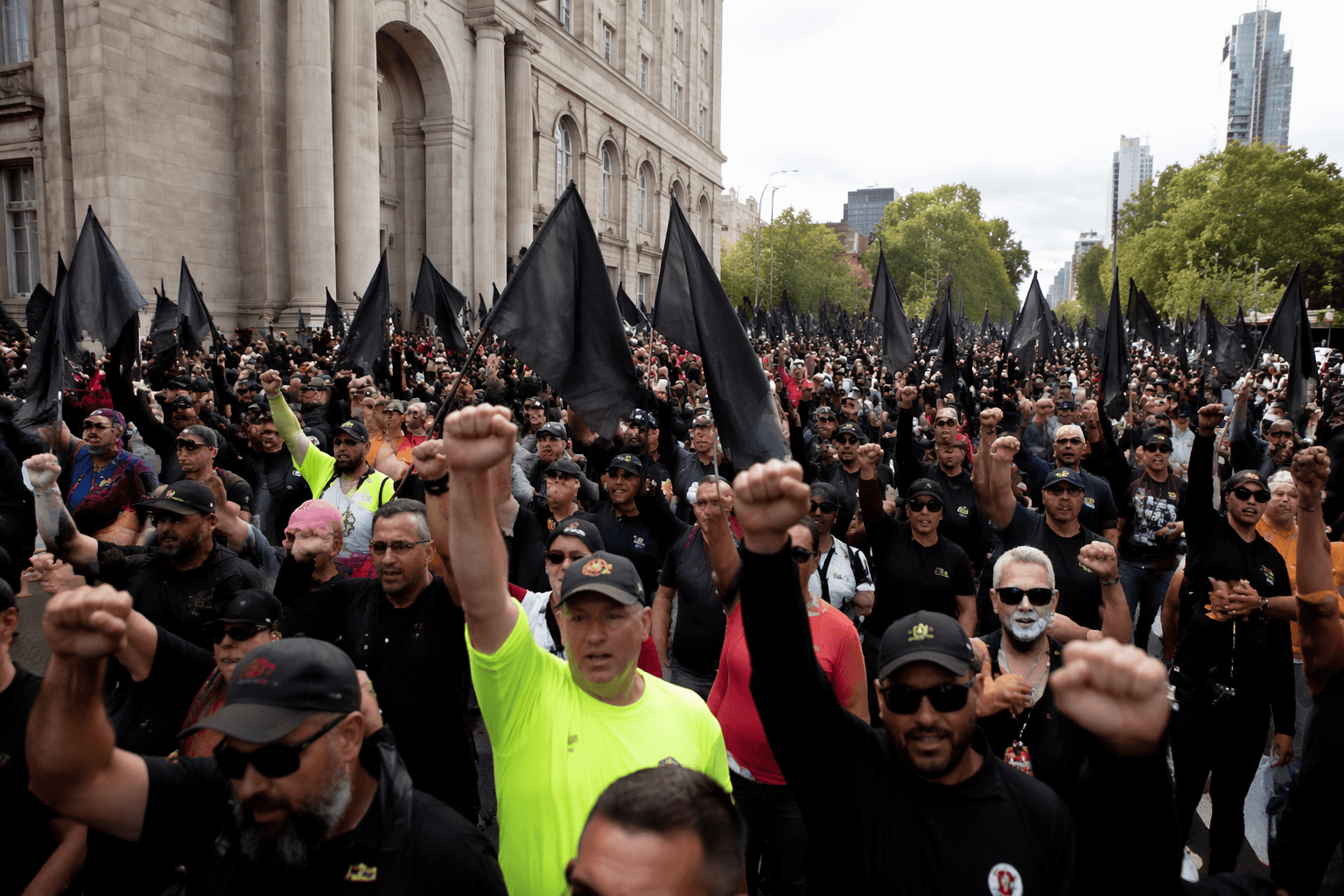
The dispute reached the court after the International Labour Organization’s Governing Body referred the question on Nov. 10, 2023, following a request from the Workers’ group and support from 36 governments. ILO officials said it was only the second time in the organization’s history that it sought an ICJ interpretation of one of its conventions. The first came in 1932, when the old Permanent Court of International Justice was asked to interpret the Night Work (Women) Convention, 1919, No. 4.
Convention No. 87 entered into force on July 4, 1950, and has 158 ratifications with no denunciations, according to ILO Normlex. That breadth gives the opinion broad reach well beyond Geneva, especially in countries where labor law turns on how international obligations are read by judges, ministries and arbitration panels. The court held public hearings at the Peace Palace in The Hague from Oct. 6 to 8, 2025, and the ILO said its Governing Body is expected to consider the opinion at its 358th session in November 2026.
The employers’ position was that Convention 87 does not explicitly mention strikes and was never meant to cover them. Workers’ representatives argued the opposite, saying strike action is inherent in freedom of association and has long been recognized by ILO supervisory bodies. The court did not embrace an unlimited reading, but it did settle the larger question in favor of workers, strengthening the legal ground for future labor disputes, union strategy and employer resistance across multiple countries.
This article was produced by Prism’s automated news system from verified source data, official records, and press releases, then run through automated quality and moderation checks before publishing. The system is built and supervised by the people who set the standards it runs under. Read our full AI policy.
Did this article answer your question?