Iran reviews U.S. peace proposal as Trump waits days
Iran weighed a U.S. peace offer as Trump gave Tehran just days to answer, while a uranium directive hardened the stakes.
Iran was considering the latest U.S. peace proposal as Donald Trump said he would wait only “a couple of days” for the “right answers,” narrowing the decision window around talks that could either slow a wider regional crisis or push it toward escalation. The immediate question was not whether Washington and Tehran were close to a grand bargain, but whether the sides could lock in enough common ground to keep negotiations alive.
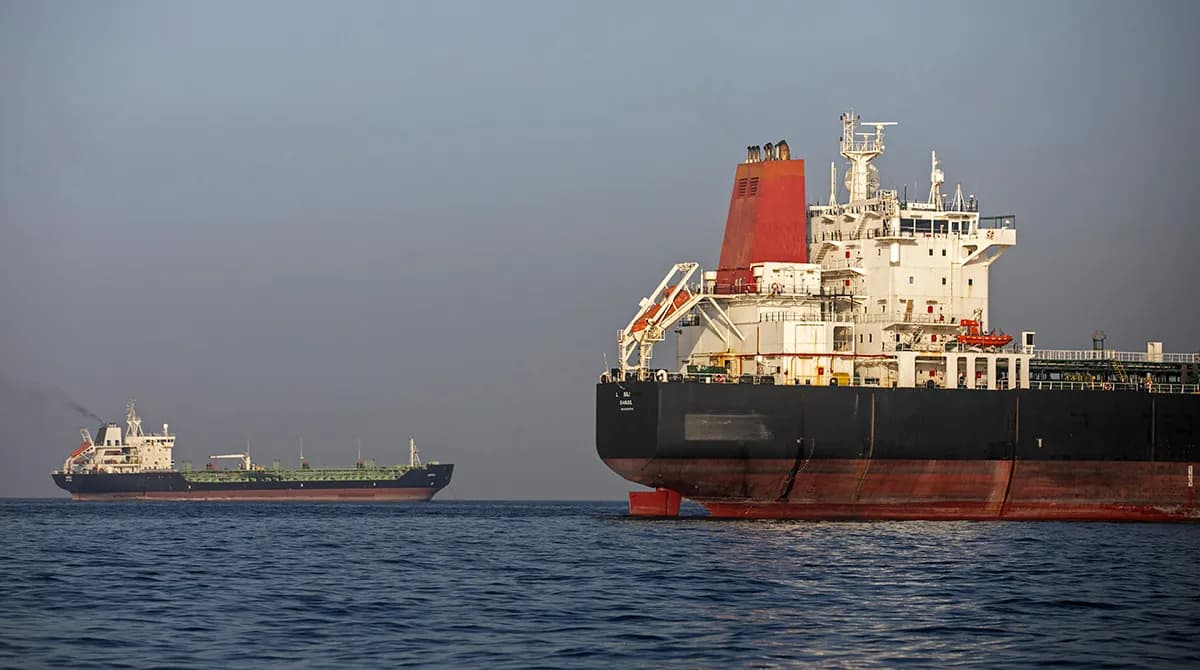
The central trade-off remained clear. Earlier draft ideas linked phased sanctions relief and a gradual easing of the naval blockade to Iranian commitments on enrichment and to the Strait of Hormuz, the chokepoint that carries a major share of global oil shipments. One framework under discussion would have reopened shipping in the strait first and left the harder nuclear questions for later. Another version contemplated allowing Iran to continue uranium enrichment at a limited level of 3.67 percent in a later-stage deal.
That sequencing has become the core test of the talks. Iran has said the latest U.S. proposal had narrowed the gaps “to some extent,” but not closed them. Pakistan’s mediation was aimed at getting both sides to the point of formally announcing acceptance of a memorandum of understanding, suggesting the immediate diplomatic prize was a managed pause, not a final peace settlement.
The sharpest obstacle is Iran’s nuclear file. Ayatollah Mojtaba Khamenei issued a directive that near-weapons-grade uranium should not be sent abroad, hardening Tehran’s position on one of Washington’s main demands. That move made any deal more difficult because it signaled Iran was not prepared to surrender the material most likely to shape U.S. security calculations.
A breakthrough in the next couple of days would likely be marked by an official acceptance of the memorandum, movement on shipping through the Strait of Hormuz, and some concrete path to sanctions relief. A stall would be visible if Tehran refused to budge on uranium transfers or if the talks remained stuck on the blockade and the strait.
The consequences go well beyond diplomacy. If the talks hold, the risk of direct confrontation in the Gulf could ease and oil markets may stabilize further. If they fail, the same maritime routes, sanctions questions and nuclear limits that define the talks could again become triggers for military pressure and wider regional escalation.
Know something we missed? Have a correction or additional information?
Submit a Tip