US and Iran remain far apart as Hormuz shipping talks continue
Tehran’s push for a toll system in Hormuz signals it is preparing to live with sanctions, not betting on a quick deal with Washington.
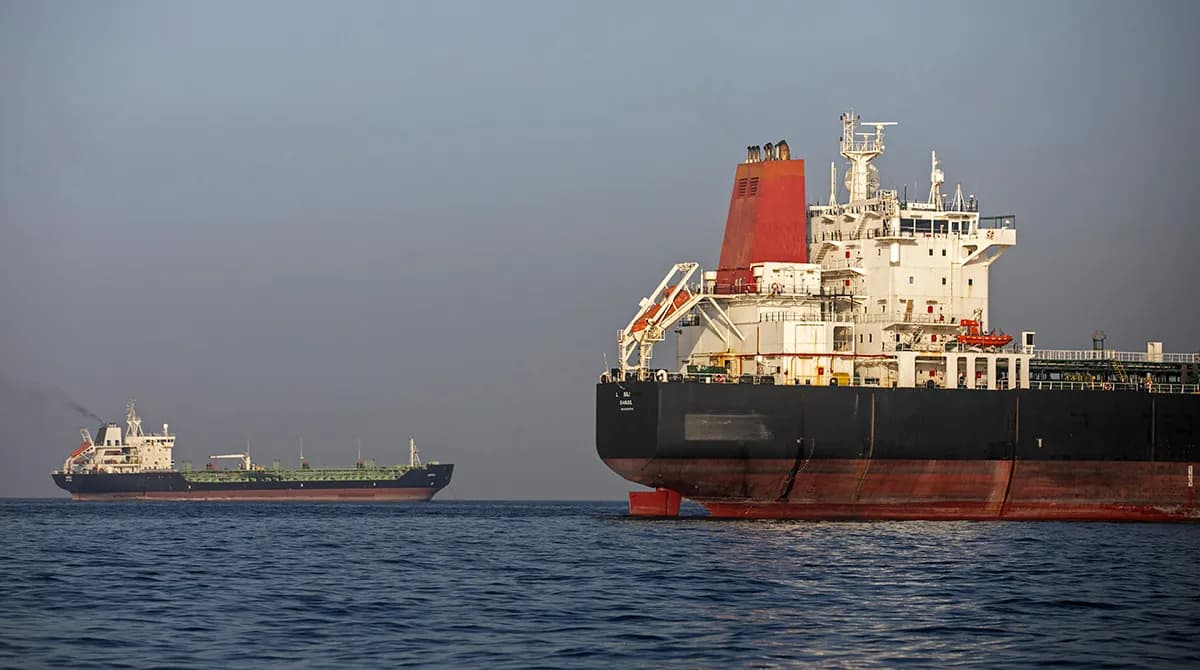
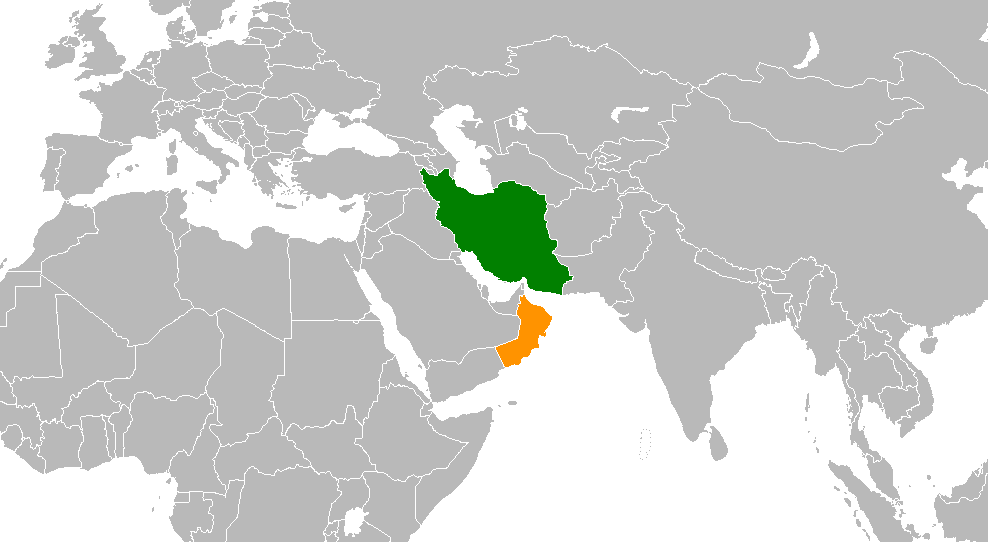
Iran’s talks with Oman over a ship-payment system in the Strait of Hormuz suggest Tehran is building for a longer period of isolation, not counting on a near-term breakthrough with Washington. By seeking a mechanism for what Iranian foreign ministry spokesperson Esmaeil Baghaei called “sustainable security,” Iran is trying to formalize control over the waterway that carries much of the world’s oil and gas.
Baghaei said on May 20 that Iran was ready to develop protocols for safe shipping traffic with other coastal states. That message came as Iran and Oman discussed a permanent toll system for the strait, a move that would effectively turn passage through one of the world’s most sensitive maritime corridors into a managed fee-based arrangement. Iran has also sought to charge ships for transit through the strait as part of its broader effort to end the war with Israel and the United States, while Iran has largely shut the waterway to all ships apart from its own since the conflict began.
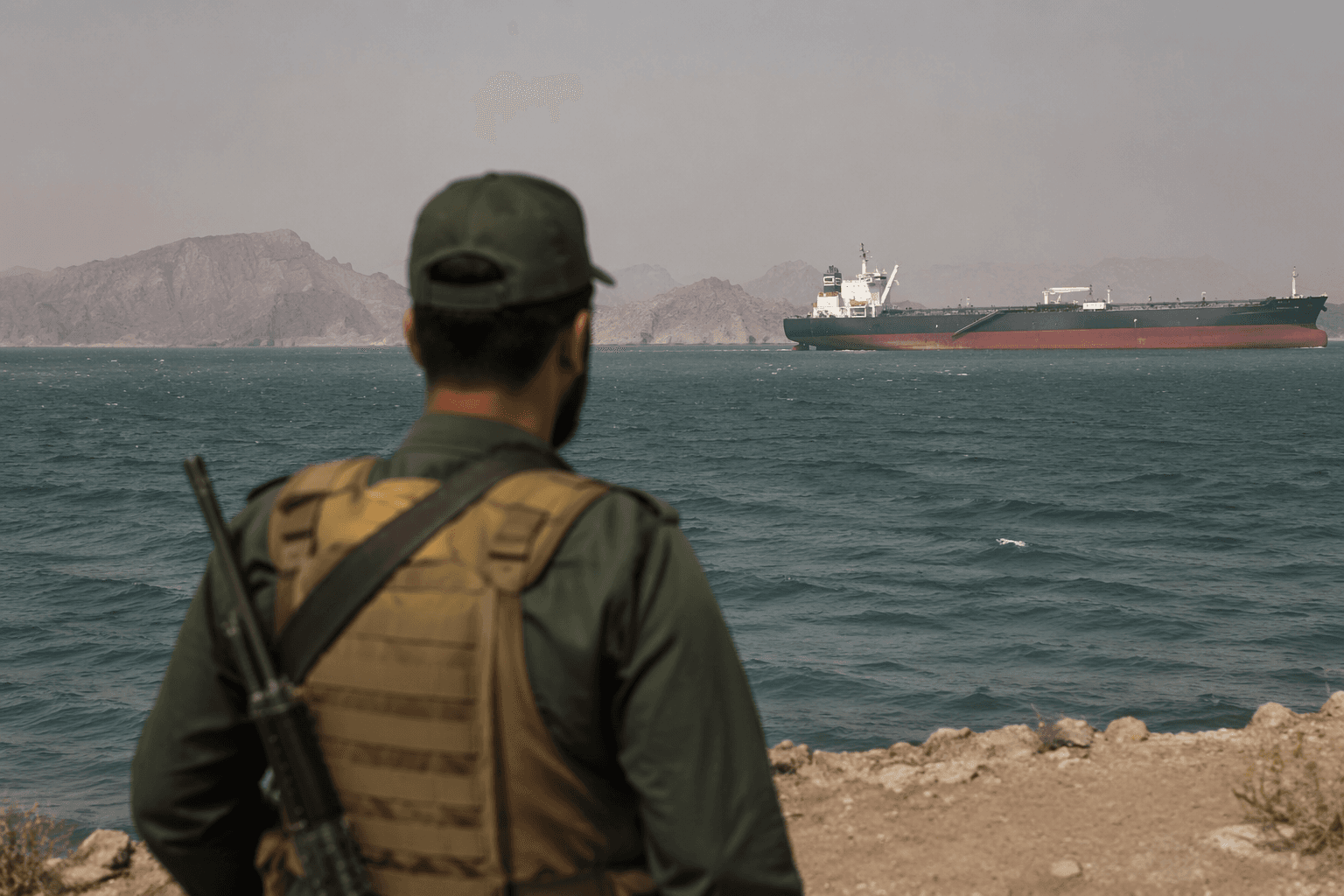
Washington has already drawn a red line. The U.S. Treasury’s Office of Foreign Assets Control warned on May 1 that shippers paying Iranian tolls could face sanctions, including if the payments were framed as charitable contributions. That warning underscores how difficult it would be to turn any toll plan into a durable financial channel without exposing insurers, shipowners and traders to enforcement risk.
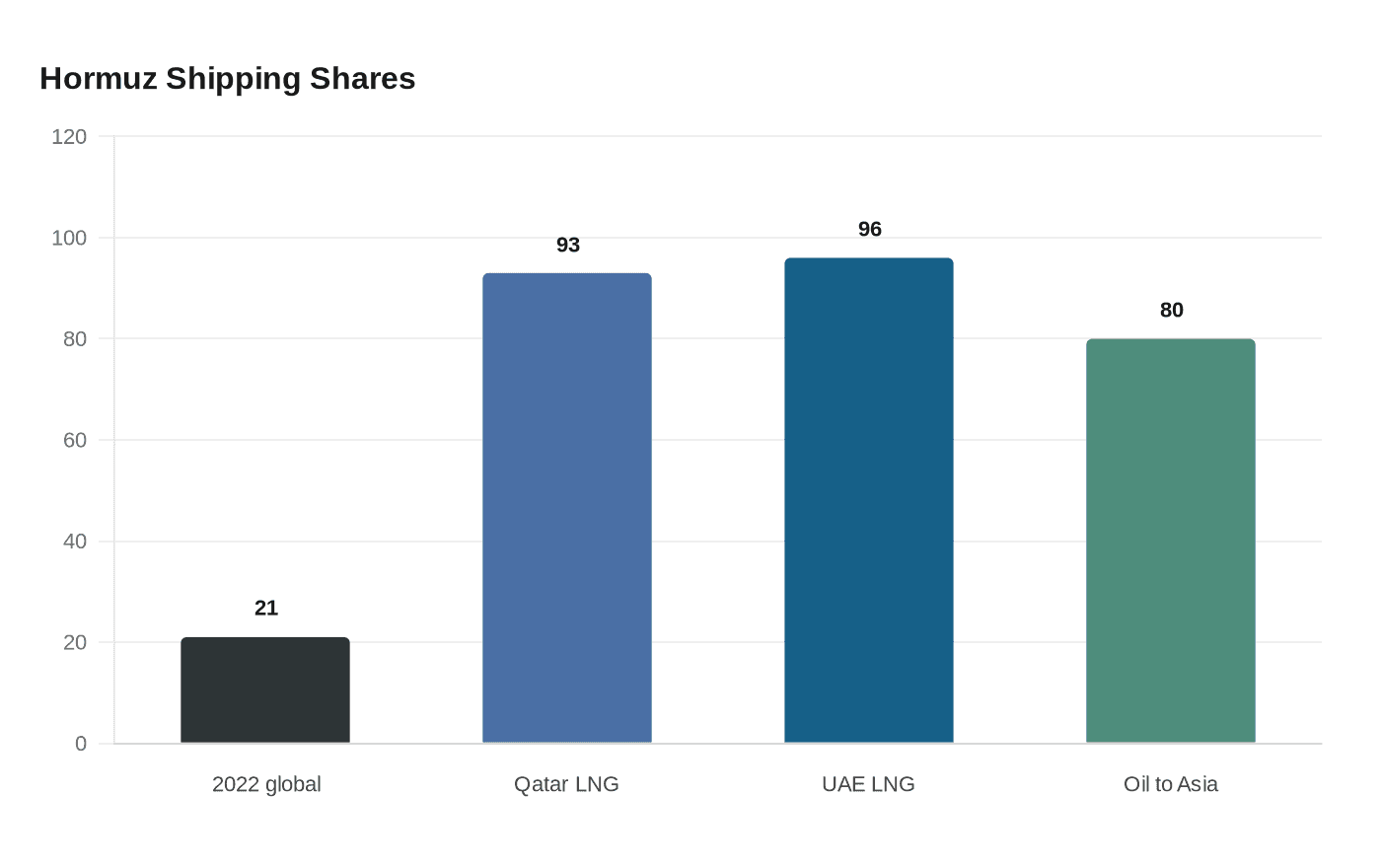
The stakes are enormous. The U.S. Energy Information Administration says the Strait of Hormuz carried about 21 million barrels a day in 2022, equal to roughly 21% of global petroleum liquids consumption. The International Energy Agency puts the flow at about 20 million barrels a day, or around a quarter of global seaborne oil trade, and says about 93% of Qatar’s liquefied natural gas exports and 96% of the United Arab Emirates’ LNG exports pass through it. The IEA also says 80% of the oil moving through the strait is destined for Asia.
United Nations trade officials warned in March that disruptions there carry major implications for global trade and development. For Oman, which has long served as a mediator in regional disputes, the discussions reinforce its role as a coastal stakeholder trying to keep traffic moving through the Persian Gulf, Gulf of Oman and Arabian Sea. For global energy markets, the talks are a reminder that even a short interruption in Hormuz can ripple quickly through oil, gas and shipping prices worldwide.
Know something we missed? Have a correction or additional information?
Submit a Tip