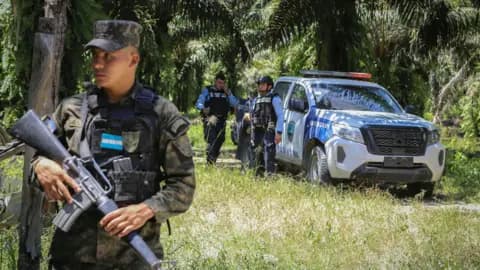
Cuba accuses Rubio of trying to provoke military aggression
Cuba said Rubio was trying to "instigate a military aggression" as Washington sharpened pressure, mixed with aid offers and a call to bypass the island’s military economy.
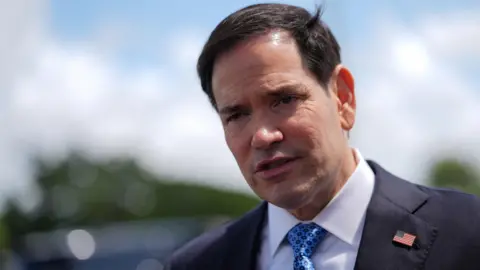
Cuba accused Marco Rubio of trying to “instigate a military aggression” after the U.S. senator said the island posed a U.S. national security threat and that the odds of a peaceful negotiated agreement were “not high.” Bruno Rodríguez Parrilla, Cuba’s foreign minister, called Rubio “lying” and rejected Washington’s claim that Cuba threatens U.S. security.
The exchange landed as Washington escalated its campaign against Havana. On May 20, 2026, the United States announced murder charges against former Cuban president Raúl Castro over the 1996 shootdown of two civilian planes, an attack that killed four people, including three Americans or U.S. nationals. Rubio said Cuba was a threat in part because of its security and intelligence ties with China and Russia, along with its relations with U.S. adversaries in Latin America.
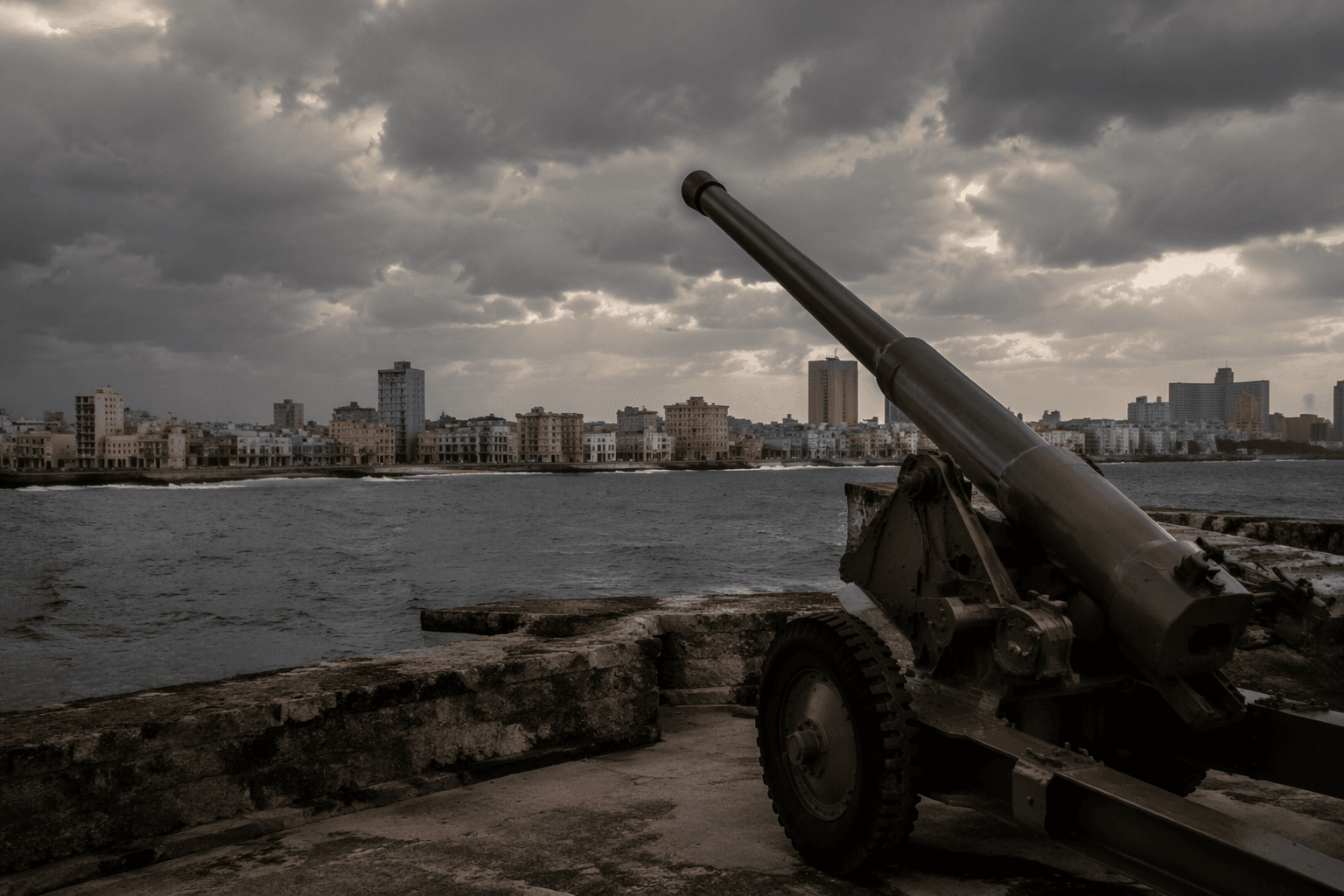
Rubio has tried to pair that hard line with a separate appeal to the Cuban public. In a video message, he offered $100 million in food and medicine and spoke of a new U.S.-Cuba relationship, but said any aid would need to bypass Grupo de Administración Empresarial S.A., the military-linked conglomerate known as GAESA. That dual message suggests a policy that is still driven by pressure, not normalization: isolate the Cuban state, support selected humanitarian channels, and frame the conflict as one between the government and the island’s own people.
Cuban President Miguel Díaz-Canel responded that a U.S. military attack would bring a “bloodbath,” and said Cuba had the “absolute legitimate right” to defend itself if Washington followed through on its threats. China also criticized the move and urged the United States to stop using sanctions and judicial pressure against Cuba.
The rhetoric reflects more than a bilateral spat. It signals a broader hemispheric posture from the Trump administration, one that leans on sanctions, criminal charges and coercive diplomacy while leaving little room for negotiation. It also carries a domestic political edge in Florida, where a hard line on Cuba still resonates with South Florida voters and with lawmakers who see the island through the lens of exile politics.
For Cuba, the stakes are immediate. Electricity shortages, food and fuel scarcity, and repeated blackouts have deepened the country’s economic crisis, conditions Havana blames in part on U.S. sanctions and fuel restrictions. In that setting, Rubio’s language reads less like a bridge to new talks than a warning that Washington is prepared to keep tightening the screws.
Know something we missed? Have a correction or additional information?
Submit a Tip