Alberta separatists submit petition as court halts referendum push
Alberta separatists filed 301,620 signatures, but a court has frozen the push after First Nations argued a breakup vote would violate treaty rights.
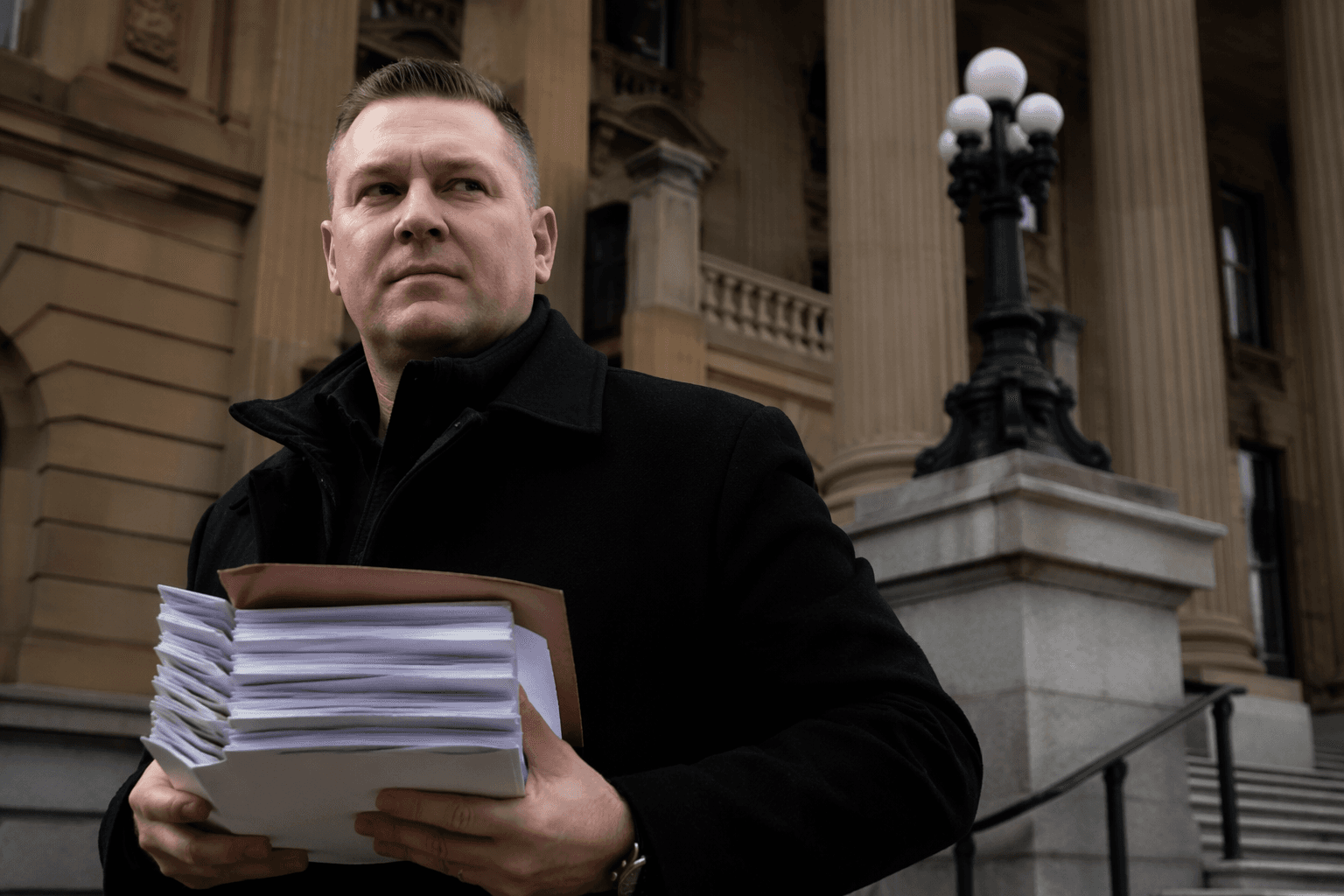
Stay Free Alberta said it had turned in 301,620 signatures to Elections Alberta, far above the roughly 178,000 needed to trigger a citizen-initiative referendum, but the separatist campaign is now stalled by a court fight over Indigenous treaty rights.
Justice Shaina Leonard ordered Elections Alberta in April to pause verification while First Nations challenged the petition, arguing that a vote on Alberta separation would affect treaty rights and could not proceed without consultation. On May 13, Leonard quashed the regulator’s earlier approval of the petition, saying the chief electoral officer had made an error in law by failing to consider an earlier decision finding that separation would violate Indigenous treaty rights. The Alberta government said it will appeal.
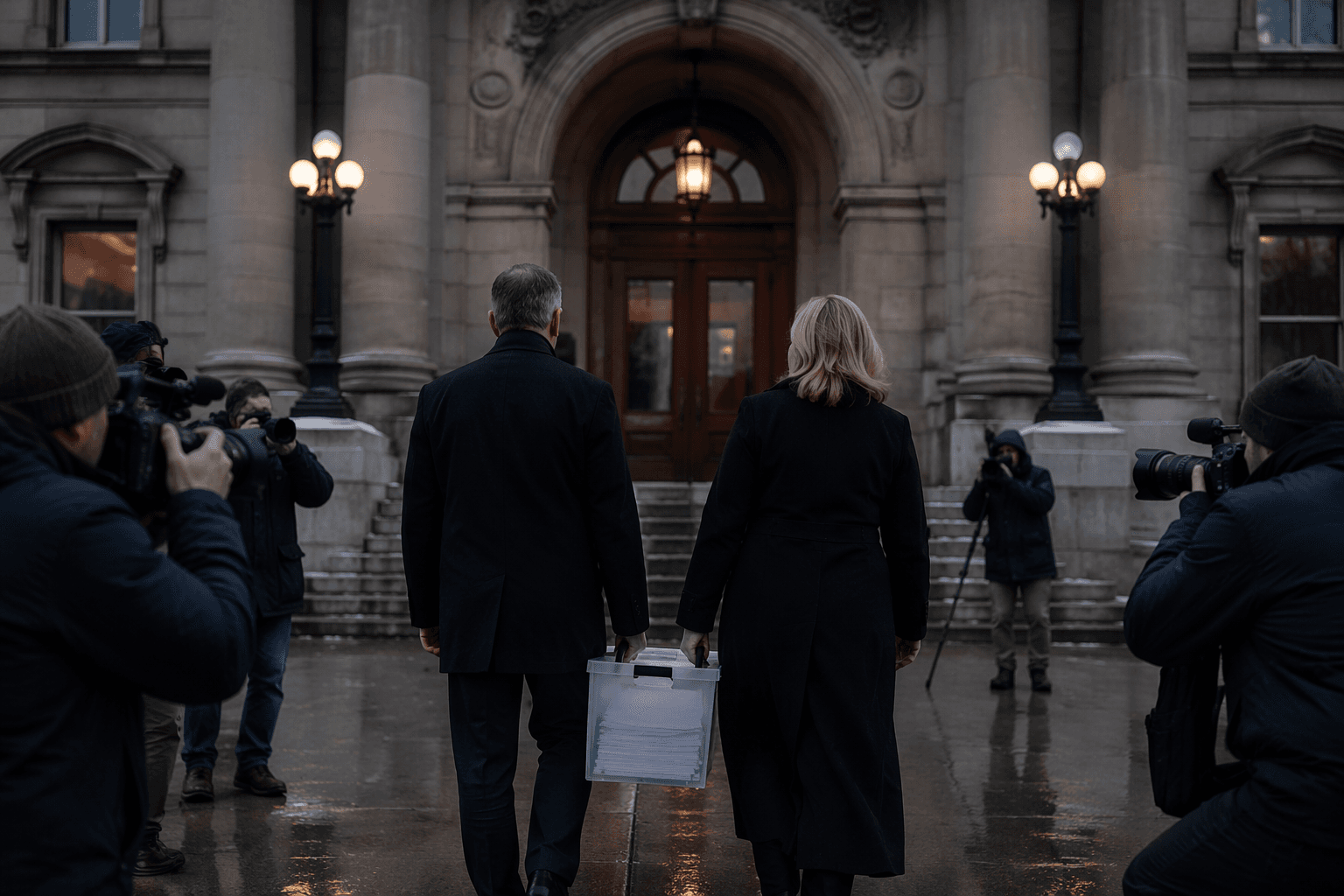
The ruling has turned the province’s most ambitious secession push in years into a test of law as much as politics. Premier Danielle Smith has said she personally does not support Alberta leaving Canada and that her government has no plans to put a separation question on its own ballot. She has also said that if citizens successfully force a referendum through the petition process, the question would go before voters in 2026.
The dispute has drawn sharp objections from Indigenous leaders, including the Athabasca Chipewyan First Nation and the Blackfoot Confederacy, who have warned the process could infringe treaty rights. That legal challenge now sits at the center of a broader political fight between Alberta and Ottawa over oil, equalization, immigration and provincial autonomy.
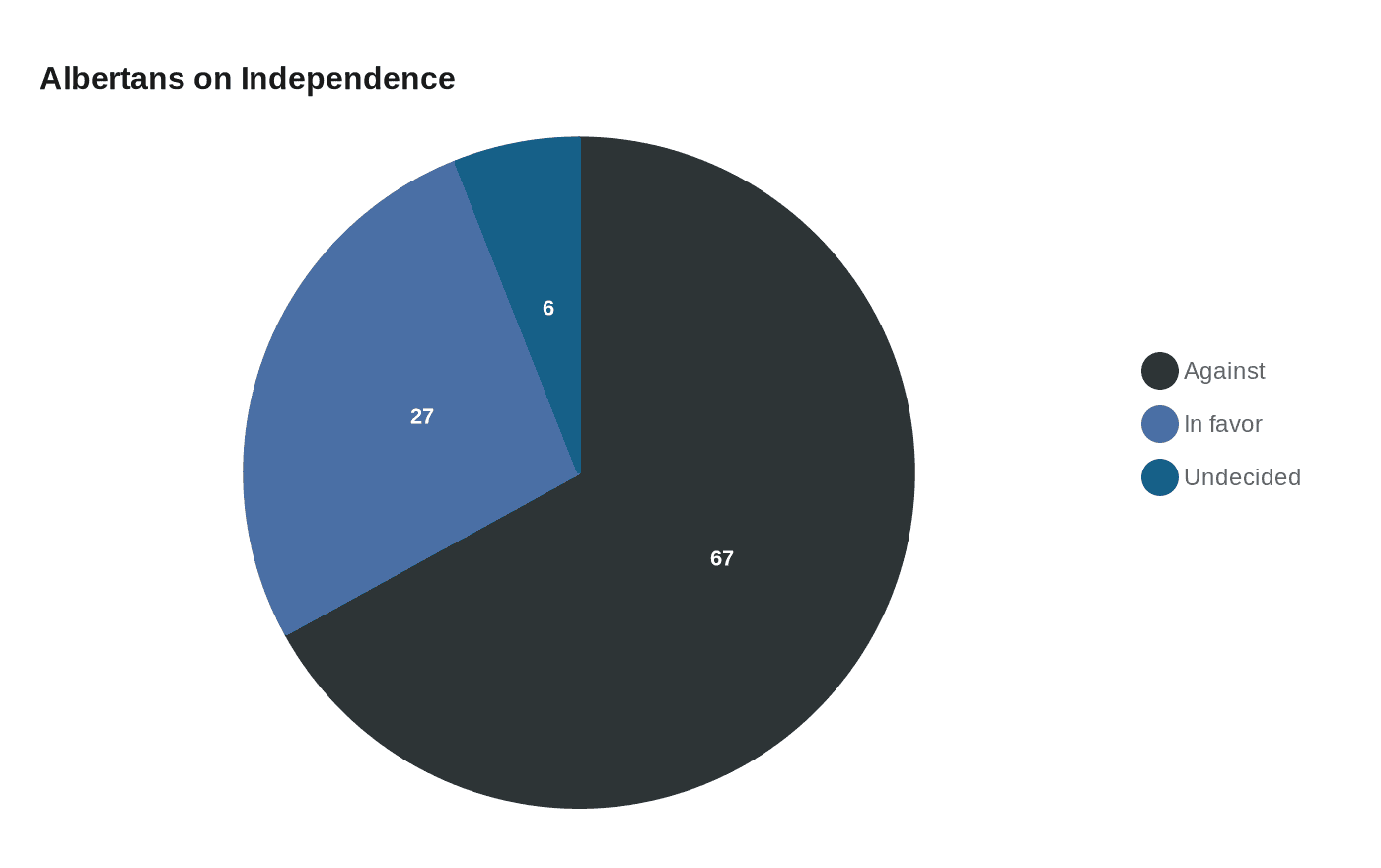
The movement has gained momentum in the past year, especially after Mark Carney’s Liberals won the federal election, but public sentiment appears to be a major obstacle to any durable realignment. A Janet Brown Opinion Research poll cited by several outlets found 67% of Albertans would vote against independence, while 27% would vote in favor and 6% were undecided. After the court ruling, Carney said Alberta’s best place is in Canada.
That combination of weak public support, treaty-rights litigation and government resistance suggests the separatist drive is still better understood as a protest vehicle against Ottawa than as a clean path to independence. Alberta’s discontent is real, but the latest legal setback shows how steep the route remains from grievance to viable secession.
Know something we missed? Have a correction or additional information?
Submit a Tip