Iran weighs U.S. war proposal as fuel prices soar
Tehran is weighing a 14-point U.S. deal as fuel prices climb, but enrichment limits, Hormuz access and frozen assets still block a breakthrough.
Tehran was still reviewing the latest U.S. proposal to end the war, even as the conflict neared three months and global fuel prices kept climbing. The talks have narrowed to a few stubborn issues: how long Iran would have to freeze uranium enrichment, what happens to the Strait of Hormuz, and whether Washington will ease the pressure on Iranian assets held abroad.
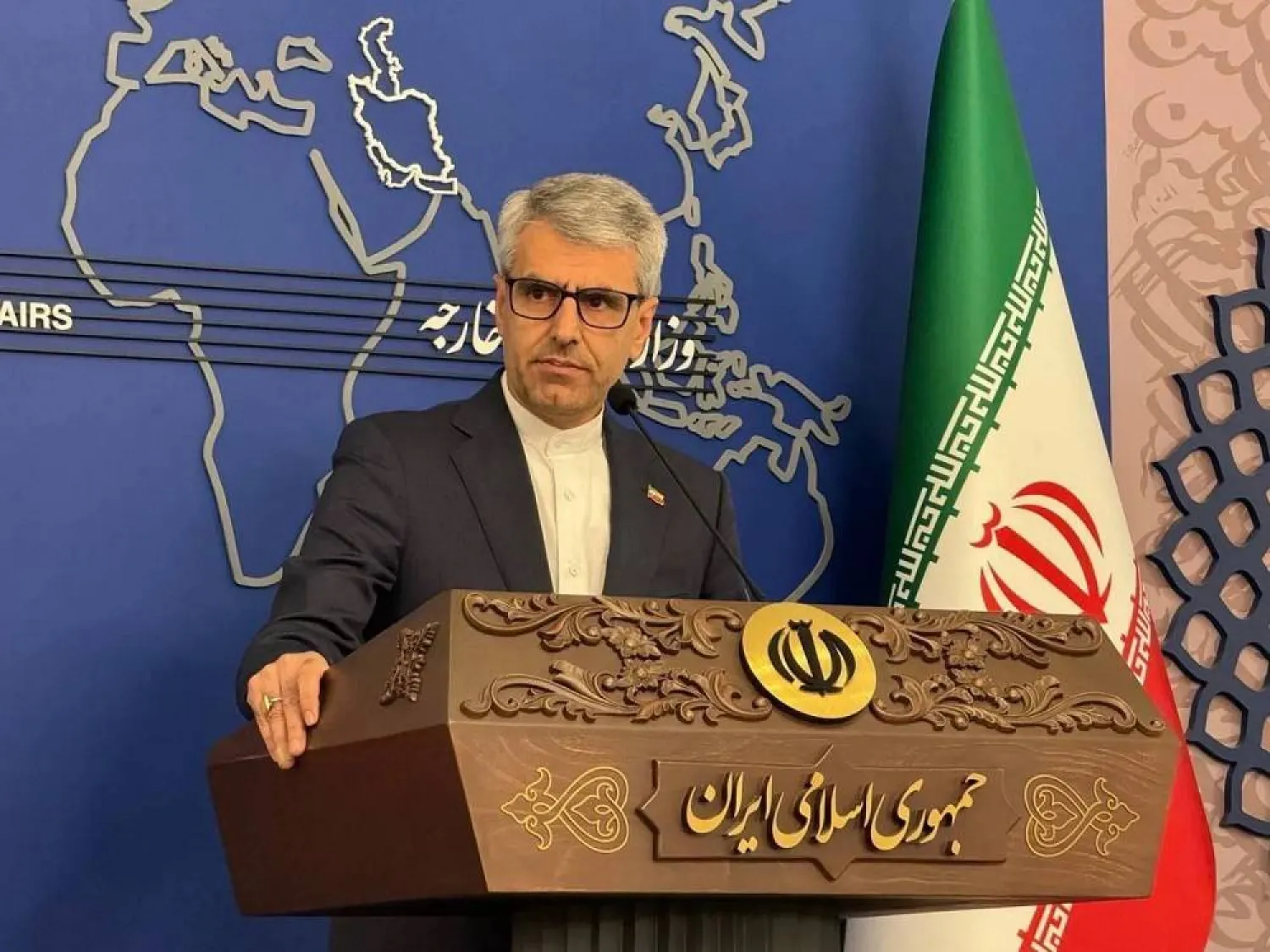
The current U.S. offer is a 14-point document that would require Iran to halt uranium enrichment for at least 12 years and reopen the Strait of Hormuz within 30 days. Iran’s counterproposal has gone in the opposite direction, calling for an end to the war across the region and the release of frozen Iranian assets abroad. Iranian Foreign Ministry spokesman Esmaeil Baghaei said the United States was making unreasonable demands and called Iran’s own proposal generous.
Those positions leave little room for compromise. For Washington, a prolonged freeze on enrichment is meant to slow Iran’s nuclear program and reduce the risk that the conflict widens further. For Tehran, giving up enrichment for more than a decade would amount to surrendering leverage at the exact moment it is trying to force sanctions relief and economic breathing room. The assets dispute is just as loaded: Iran wants access to money held overseas, while the United States wants proof that any deal would actually restrain Iran’s regional reach.
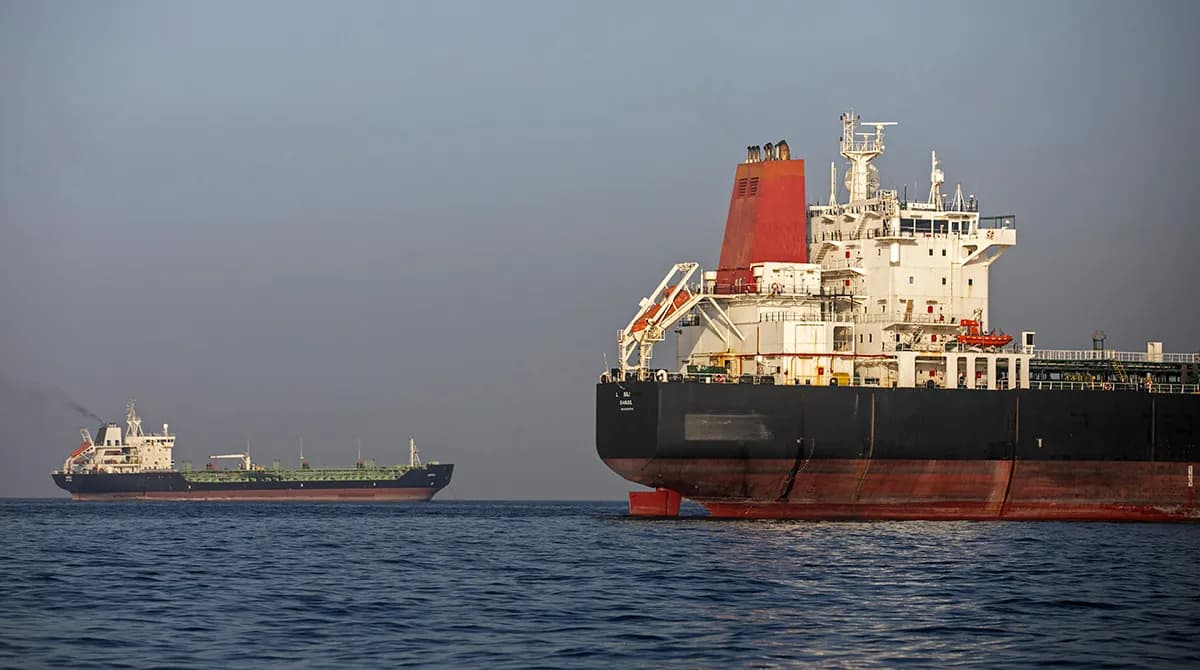
President Donald Trump has said he believes Iran wants to make a deal, but he has also warned that if Tehran rejects the offer he could order higher-level military strikes. That threat has kept the diplomacy under the shadow of force, especially with the Strait of Hormuz still a major flashpoint and recent strikes reported in and around the waterway. U.S. actions near Iranian targets around Bandar Abbas and Qeshm have deepened the sense in Tehran that the talks are unfolding alongside, not apart from, the battlefield.
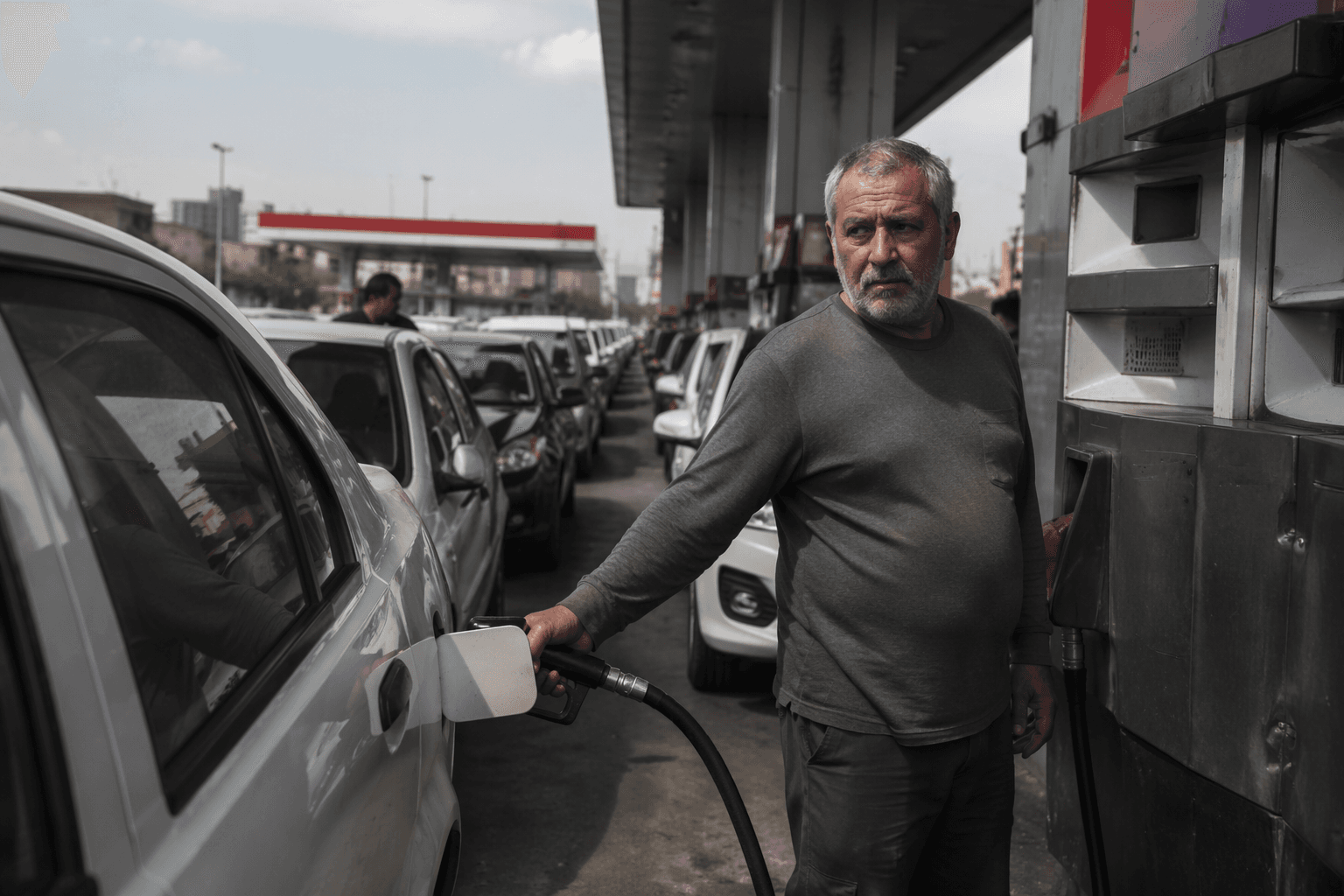
Pakistan has emerged as a mediator, and Iranian officials previously sent a revised proposal to Washington through Pakistani officials. That channel suggests both sides still want to keep talking, but the substance of the exchange shows how far apart they remain. The war has already driven up fuel costs far beyond the region, and unless one side softens on enrichment, Hormuz, or frozen assets, the ceasefire push risks becoming another round of high-stakes bargaining with no immediate end in sight.
Know something we missed? Have a correction or additional information?
Submit a Tip