Microsoft AI chief unveils superintelligence push, criticizes conscious AI claims
Mustafa Suleyman paired seven new MAI models with a superintelligence lab, while arguing AI should serve people and rejecting claims that systems are conscious.

Microsoft AI chief Mustafa Suleyman is pushing a sharper superintelligence agenda even as he tries to draw a line between capability and sentience. Microsoft said it is building seven new in-house MAI models and a “superintelligence lab,” framing the effort as part of a broader push toward “humanist superintelligence” that stays within human control and serves people rather than becoming an unbounded autonomous system.
Suleyman has cast the moment in almost industrial terms. He wrote that the compute used to train frontier models has increased by a factor of one trillion and forecast another thousand-fold rise over the next three years, a scale of growth that helps explain why Microsoft is moving to build more of the stack itself. The company said the new models will be available through Microsoft Foundry and partner channels including OpenRouter, Fireworks and Baseten, and that developers will be able to tune the model weights themselves for the first time.
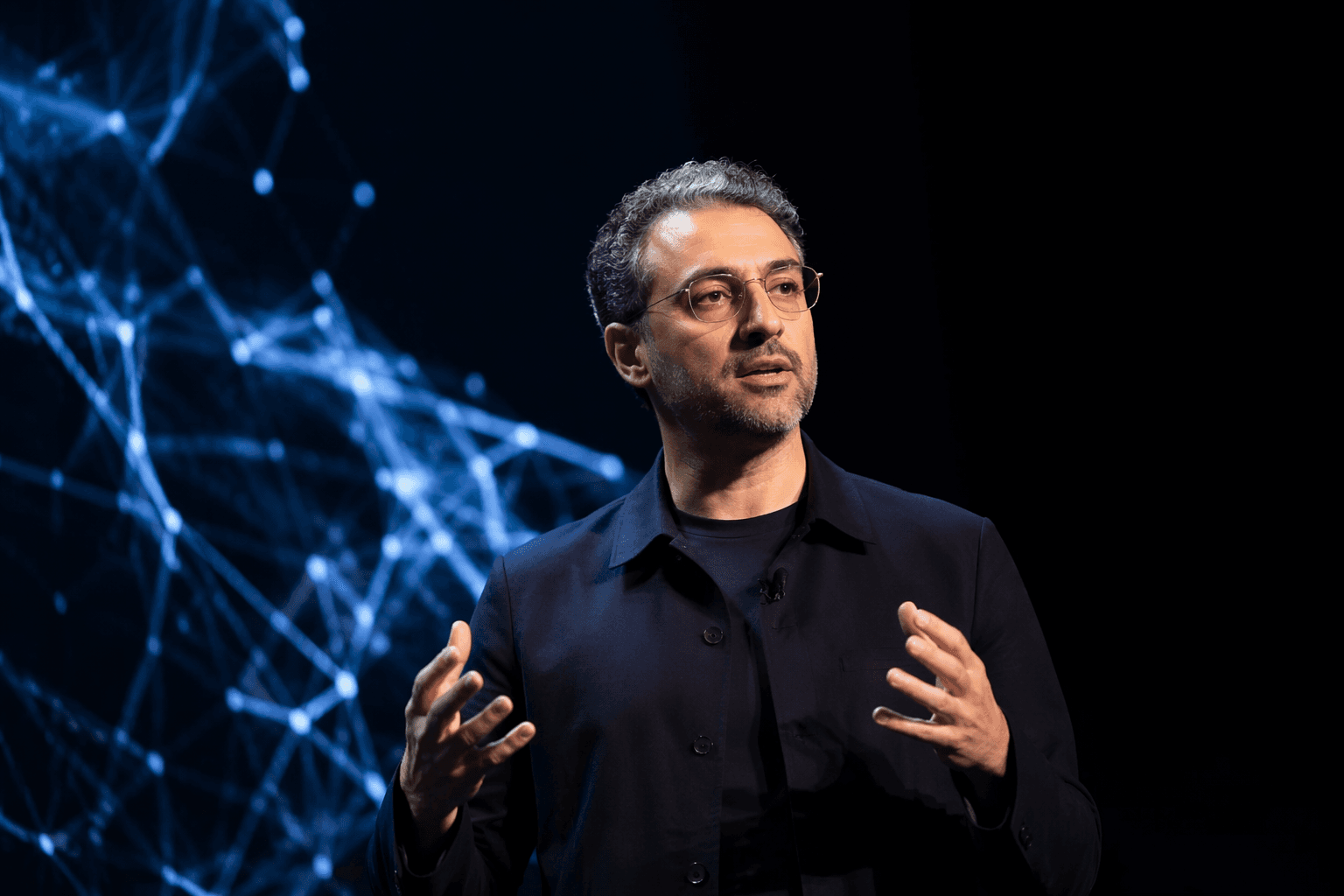
That product push comes after Microsoft reorganized its AI leadership on March 17, 2026, shifting Copilot leadership under former Snap executive Jacob Andreou and narrowing Suleyman’s remit so he could focus on frontier models and superintelligence. At the time, GeekWire reported that Microsoft 365 Copilot had 15 million paying users, a reminder that Microsoft is already trying to convert AI from a demo into a business line. Suleyman said the reorganization would let him concentrate fully on models over the next five years that improve products and lower the cost of running AI workloads.
The timing matters because the industry is still arguing over what superintelligence would actually mean for work. Microsoft’s public stance is that its next generation of systems should be “carefully calibrated” and contextualized, not free-roaming agents. That is a meaningful distinction for workers and managers trying to separate disruption from elimination: Microsoft is talking openly about cheaper AI operations, faster product development and broader deployment, but it has not drawn a straight line from those goals to mass job loss.
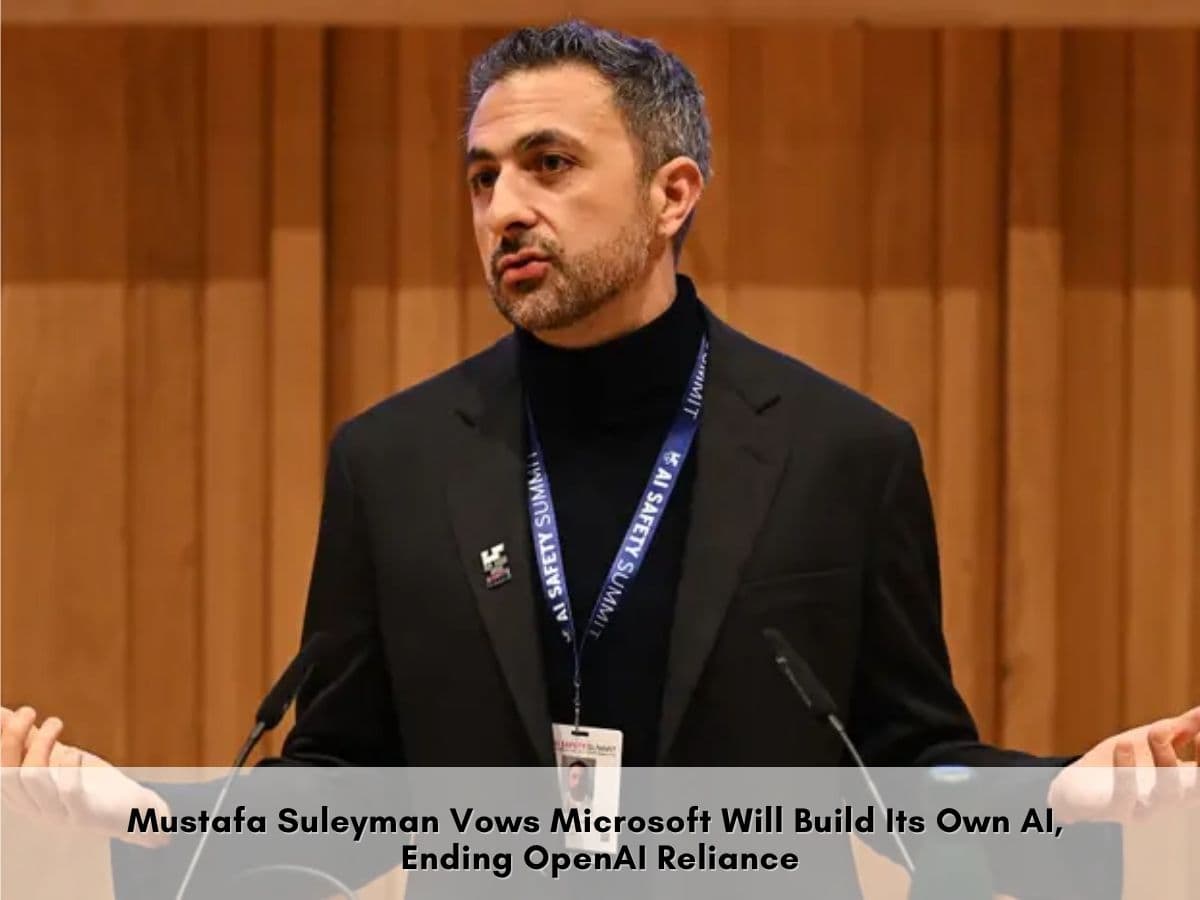
Suleyman’s criticism of treating Anthropic’s Claude as though it were conscious lands in the middle of that debate. The message from Microsoft is that the real economic question is not whether AI feels human, but which tasks it can reliably take over, how fast those gains spread through software and cloud infrastructure, and whether the next wave of automation changes jobs by redesigning them before it replaces them.
This article was produced by Prism’s automated news system from verified source data, official records, and press releases, then run through automated quality and moderation checks before publishing. The system is built and supervised by the people who set the standards it runs under. Read our full AI policy.
Know something we missed? Have a correction or additional information?
Submit a Tip