Microsoft and Pivot Point extend Dragon Copilot to rural hospitals with 60% discount
Microsoft and Pivot Point announced a March 3 partnership to bring Dragon Copilot to U.S. rural hospitals with a 60% discount and free readiness assessments.
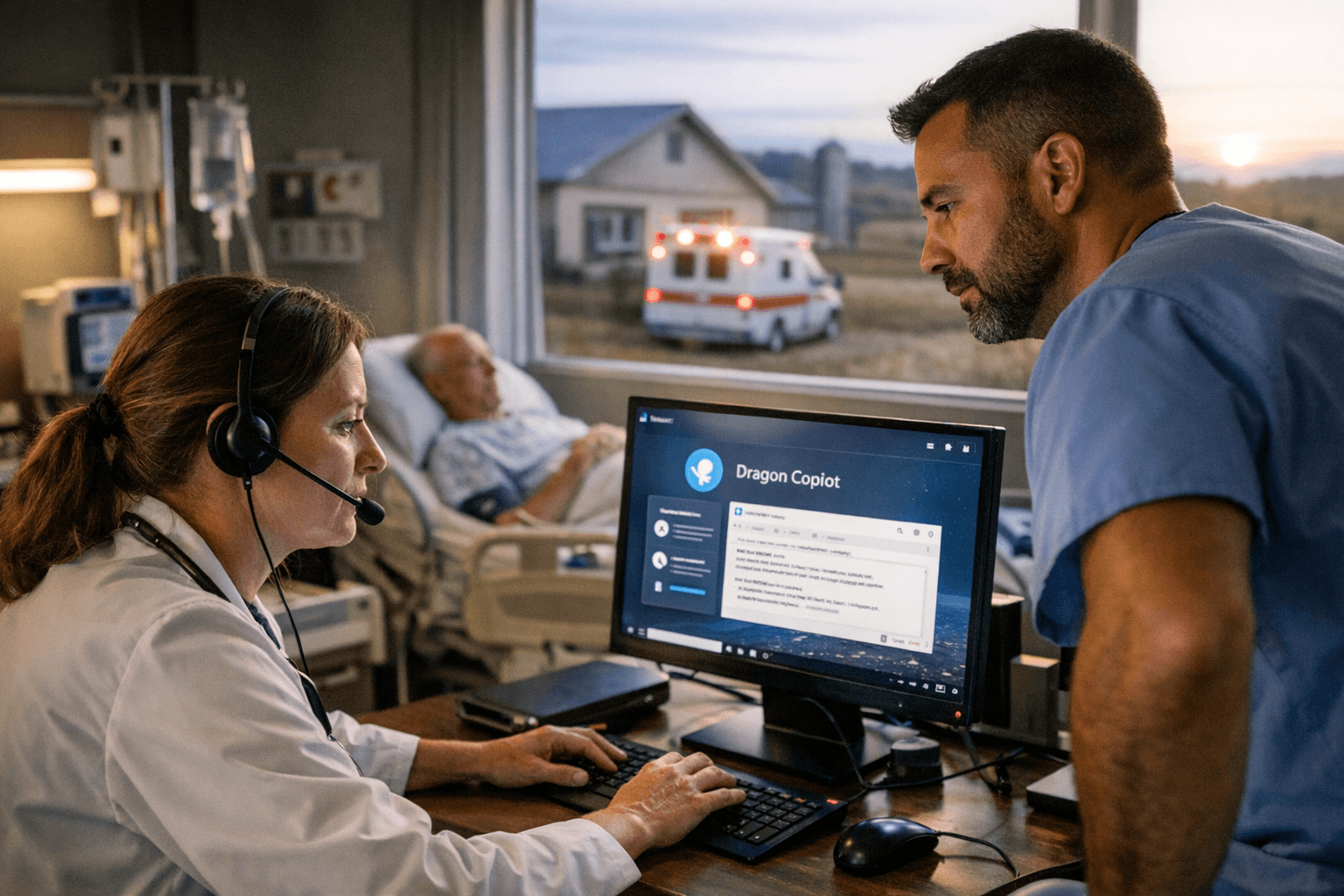
Microsoft and Pivot Point Consulting said March 3 they will expand Dragon Copilot, an ambient clinical AI assistant built on Microsoft Copilot technology, into rural hospitals across the United States, offering eligible facilities a 60% discount off manufacturer’s suggested retail price and no-cost readiness assessments through Pivot Point.
The program is being delivered through Microsoft’s Rural Health Resiliency Program and targets independent Critical Access Hospitals, independent Rural Emergency Hospitals and independent Rural Community Hospitals. According to a Pivot Point press release distributed via PR Newswire from Panama City, Fla., rural providers can request a free Dragon Copilot readiness assessment from Pivot Point Consulting or update their program registration to indicate interest.
Pivot Point, identified in the release as a “Best in KLAS healthcare IT consulting leader,” will lead implementation support for rural sites, providing workflow engineering, governance design, national webinars and education intended to produce “safe, effective and measurable” deployments. Zack Tisch, partner (Portfolio Solutions) at Pivot Point Consulting, framed the offer as operational relief for small hospitals: “Our mission is to help rural clinicians reclaim time and reduce burnout,” said Tisch. “Dragon Copilot provides the power trio of ambient listening, automated documentation and workflow automation at a price point that makes sense for rural hospitals. We're excited to help teams deploy it safely and turn those AI features into measurable improvements.”
Microsoft described the offering as part of a broader effort to embed AI into clinical workflows while preserving compliance and safety guardrails. Laura Kreofsky, director of Rural Health Resiliency at Microsoft, said in the release, “Rural providers deserve AI that is powerful, affordable and deeply connected to the systems they already use,” said Kreofsky. “Dragon Copilot brings ambient listening, automated documentation and workflow intelligence to rural clinicians, backed by the strength of Microsoft's secure cloud platform.”
Microsoft also noted in company materials that it has announced general availability of a healthcare agent service in Microsoft Copilot Studio, which the company says offers a “robust, compliant foundation” with built-in knowledge sources and clinical safeguards for partners building into Dragon Copilot. Microsoft listed an early cohort of partners working with the platform and said Dragon Copilot is available in multiple countries, including the United States, Canada, the United Kingdom, Austria, France, Germany and Ireland.
Market observers flagged the announcement as part of a continuing push by major tech vendors into health care. Stocktitan, in AI-generated analysis, said the move “extends Dragon Copilot into rural hospitals through Microsoft’s Rural Health Resiliency Program, including a 60% discount and free readiness assessments via Pivot Point Consulting.” Stocktitan added that prior AI-tagged product releases across sectors produced average next-day moves of -1.12% and suggested investors might track adoption among Critical Access and Rural Emergency Hospitals and how AI usage complements Microsoft Cloud performance, citing $49.1 billion in Microsoft Cloud revenue; the analysis included the disclaimer “AI-generated analysis. Not financial advice.”
The announcement leaves several operational questions unanswered. The press release does not list an MSRP or final per-hospital pricing after the discount, nor does it specify deployment timelines, electronic health record integration requirements, data residency or detailed HIPAA safeguards. Pivot Point provided a media contact for hospitals and reporters: Jillian Wood, info@pivotpoint.com.
For rural hospital leaders considering the offer, the immediate draws are the steep 60% discount and the free readiness assessment; for policy makers and patients, the rollout raises questions about connectivity, oversight and measurable clinical outcomes as AI moves into smaller, resource-constrained hospitals.
This article was produced by Prism’s automated news system from verified source data, official records, and press releases, then run through automated quality and moderation checks before publishing. The system is built and supervised by the people who set the standards it runs under. Read our full AI policy.
Did this article answer your question?


