Microsoft Kenya data center talks stall over government payment guarantees
Microsoft sought a government payment guarantee for part of a planned Kenyan data center. Nairobi refused to underwrite the risk, stalling a $1 billion AI and cloud buildout.
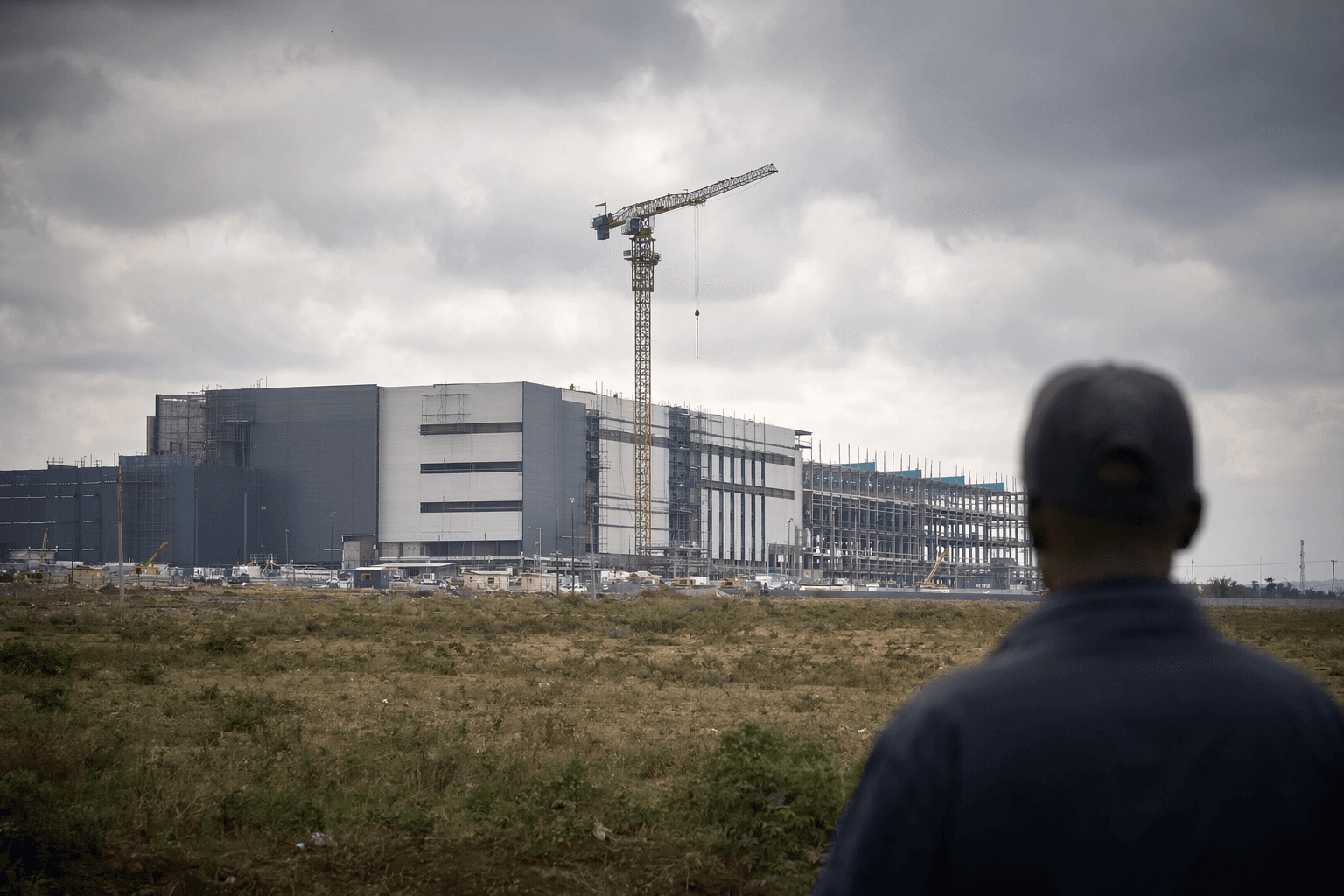
Microsoft’s geothermal cloud plan in Kenya ran into a basic financing problem: Nairobi would not guarantee annual payments for capacity the government did not own, and the talks stalled.
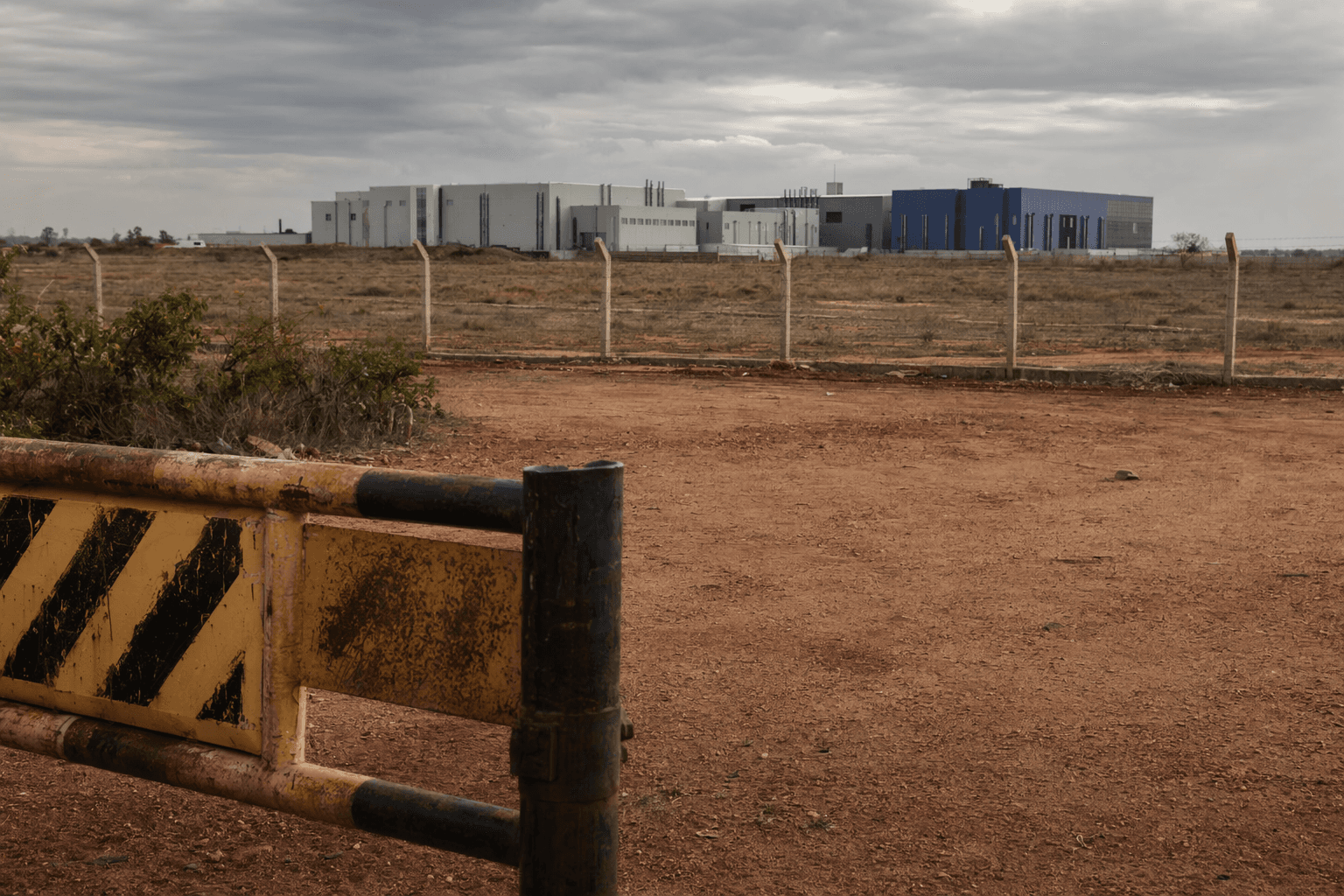
The dispute centers on a project Microsoft and Abu Dhabi-based G42 unveiled on May 22, 2024, as part of a $1 billion digital investment package for Kenya. The plan called for a Microsoft Azure East Africa Cloud Region supported by a data center in Olkaria, with the campus powered entirely by geothermal energy and designed to expand from an initial 100 megawatts to as much as 1 gigawatt. Microsoft said the region could become operational within 24 months of signing definitive agreements.
The announcement carried unusually heavy symbolism. It came during President William Ruto’s state visit to Washington, which Microsoft described as the first state visit to Washington by a sitting African head of state in nearly two decades. The broader package also included local-language AI model development and research, an East Africa Innovation Lab and AI skills training, connectivity investments, and collaboration on safe and secure cloud services across East Africa.
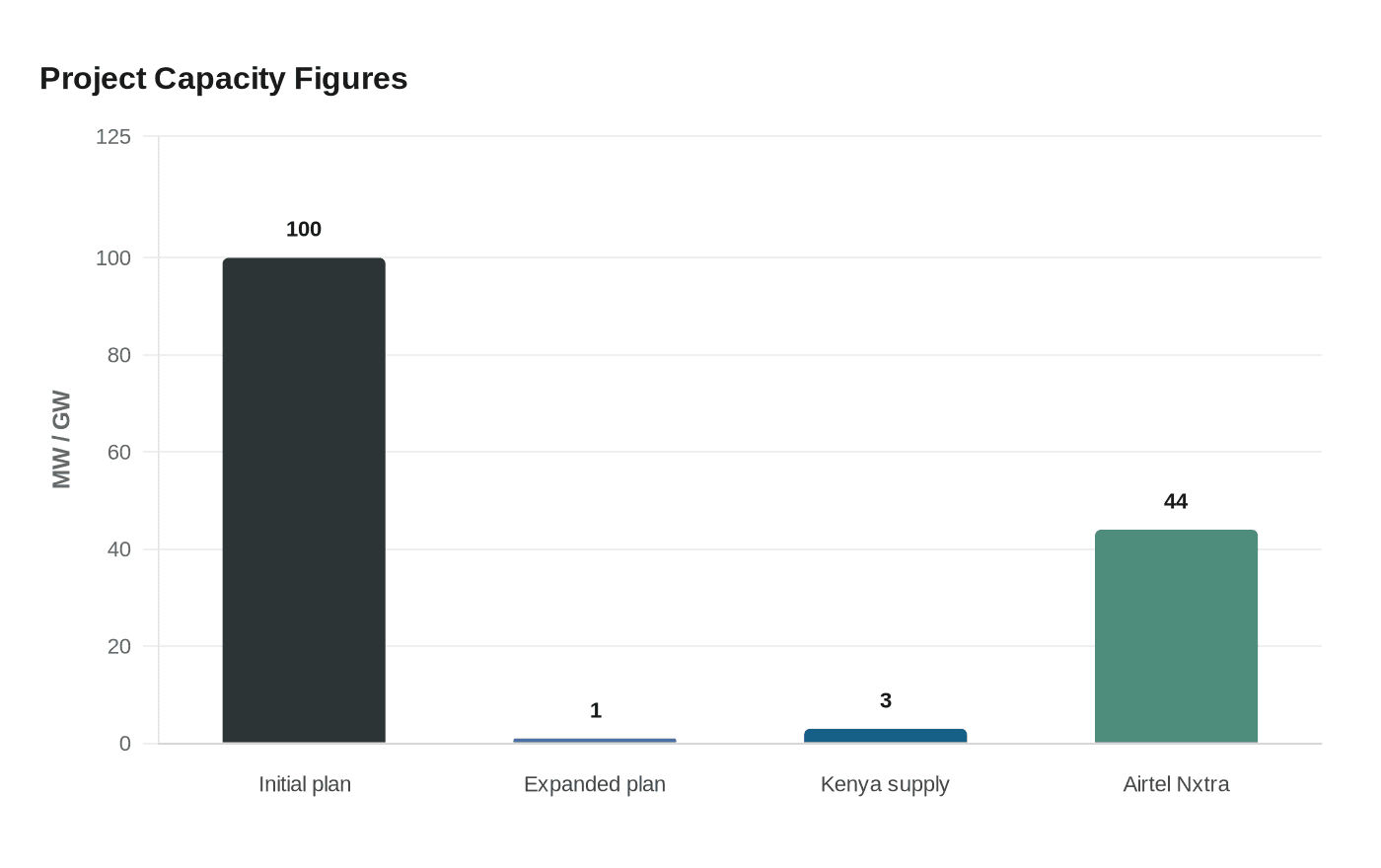
By 2026, the scale of the proposed facility had turned into a power-grid problem. Ruto said the data center’s 1 gigawatt capacity would amount to about one-third of Kenya’s 3 gigawatt electricity supply, warning that Kenya would need to “shut off power for half the country” if the site were switched on at that level. A concept note for the project was sent to the Kenya National Treasury, but it did not receive clearance, and the original May 2026 commissioning timeline slipped out of reach.
The breakdown shows how the economics of AI infrastructure are colliding with the limits of governments that want foreign capital, jobs and prestige, but do not want to shoulder the downside. Microsoft and G42 wanted Kenya to commit to paying for a fixed amount of capacity each year. Kenyan officials would not provide guarantees at the level the companies sought, and the discussions lost momentum. A senior Kenyan official said the project had not been canceled or withdrawn, but that its scale still needed more structuring and that power requirements remained under discussion.
The standoff is now being watched beyond Kenya. Similar questions are shaping how governments across emerging markets handle hyperscale cloud projects that need long-term contracts, dependable electricity and public confidence while AI data centers grow more expensive and energy intensive. In Kenya, the contrast is already visible in smaller projects such as Airtel Nxtra’s 44 megawatt facility in Tatu City and EcoCloud’s Project Eagle at KenGen Green Energy Park in Olkaria, both of which look far easier to absorb than a 1 gigawatt bet on the future of cloud computing.
This article was produced by Prism’s automated news system from verified source data, official records, and press releases, then run through automated quality and moderation checks before publishing. The system is built and supervised by the people who set the standards it runs under. Read our full AI policy.
Did this article answer your question?