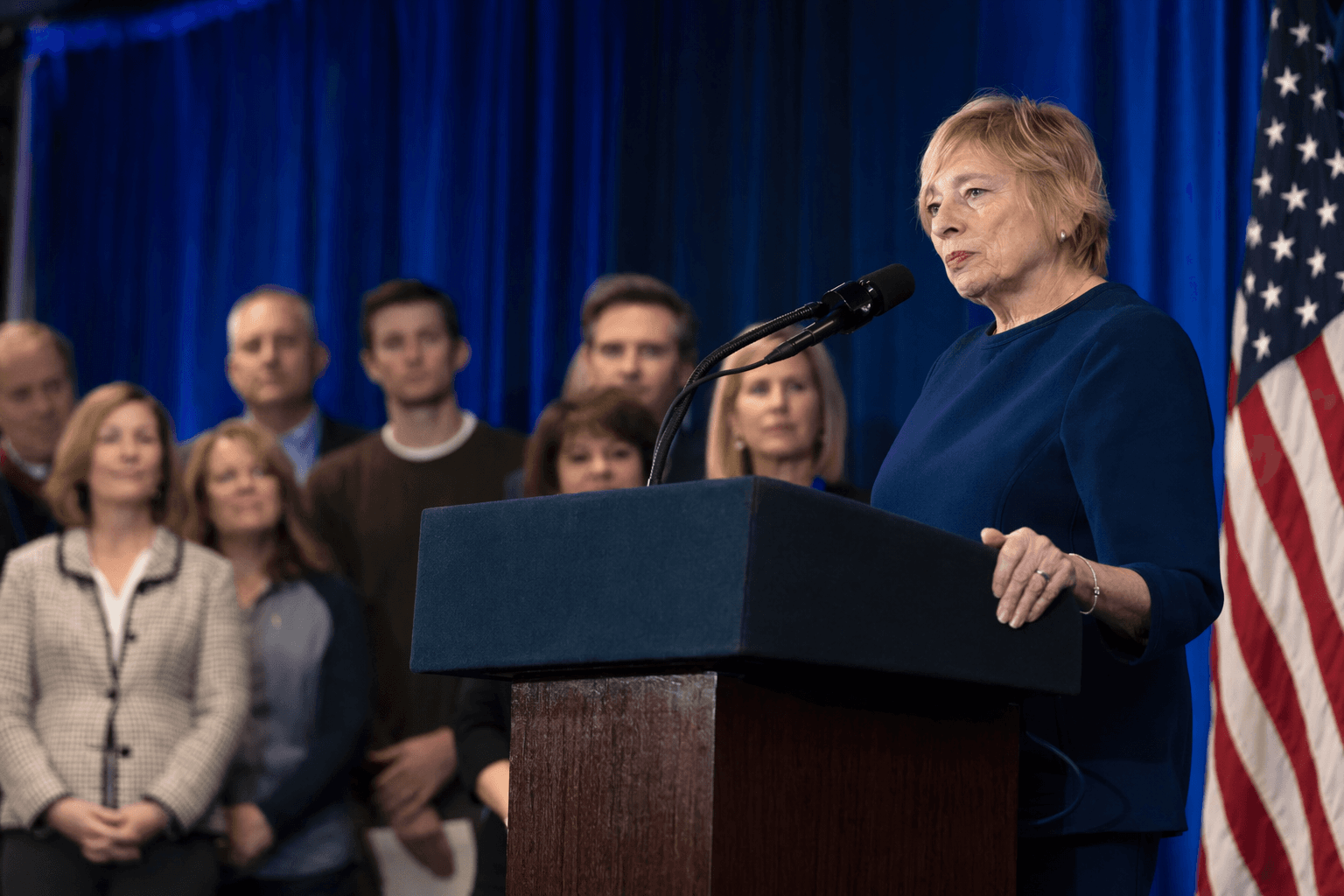
Mills exits Maine Senate race, clearing path for Platner against Collins
Janet Mills quit Maine’s Senate race after a cash crunch and weak polling, forcing Chuck Schumer to rally behind Graham Platner and reset Democrats’ play for Susan Collins.

Chuck Schumer’s cordial conversation with Graham Platner, despite the Senate minority leader’s backing of Janet Mills, exposed how quickly Democrats had to shift from recruitment to damage control in Maine. With Mills out, Schumer moved to unify the party around Platner, a 41-year-old oyster farmer, military veteran and political newcomer now positioned as the presumptive Democratic nominee against Susan Collins.
Mills suspended her campaign on Thursday, April 30, 2026, citing a lack of financial resources. The two-term Maine governor, former attorney general and district attorney had been one of Senate Democrats’ top recruits for the seat, but her exit ends a run that never caught up to Platner’s momentum in the June 9 primary. Schumer and the Democratic Senatorial Campaign Committee had backed Mills as their preferred candidate, making her withdrawal a public setback for leadership in a race that Democrats see as essential to their path back to power.
Maine is widely viewed as a must-win state if Democrats are to net the four seats needed to take control of the Senate in 2026. Collins has held the seat since 1997, and she remains the only Republican senator representing a state won by Kamala Harris in 2024, a fact that has only sharpened the stakes for both parties. Platner’s rise now gives Democrats their clearest shot at challenging her, even as the general-election path remains steep.

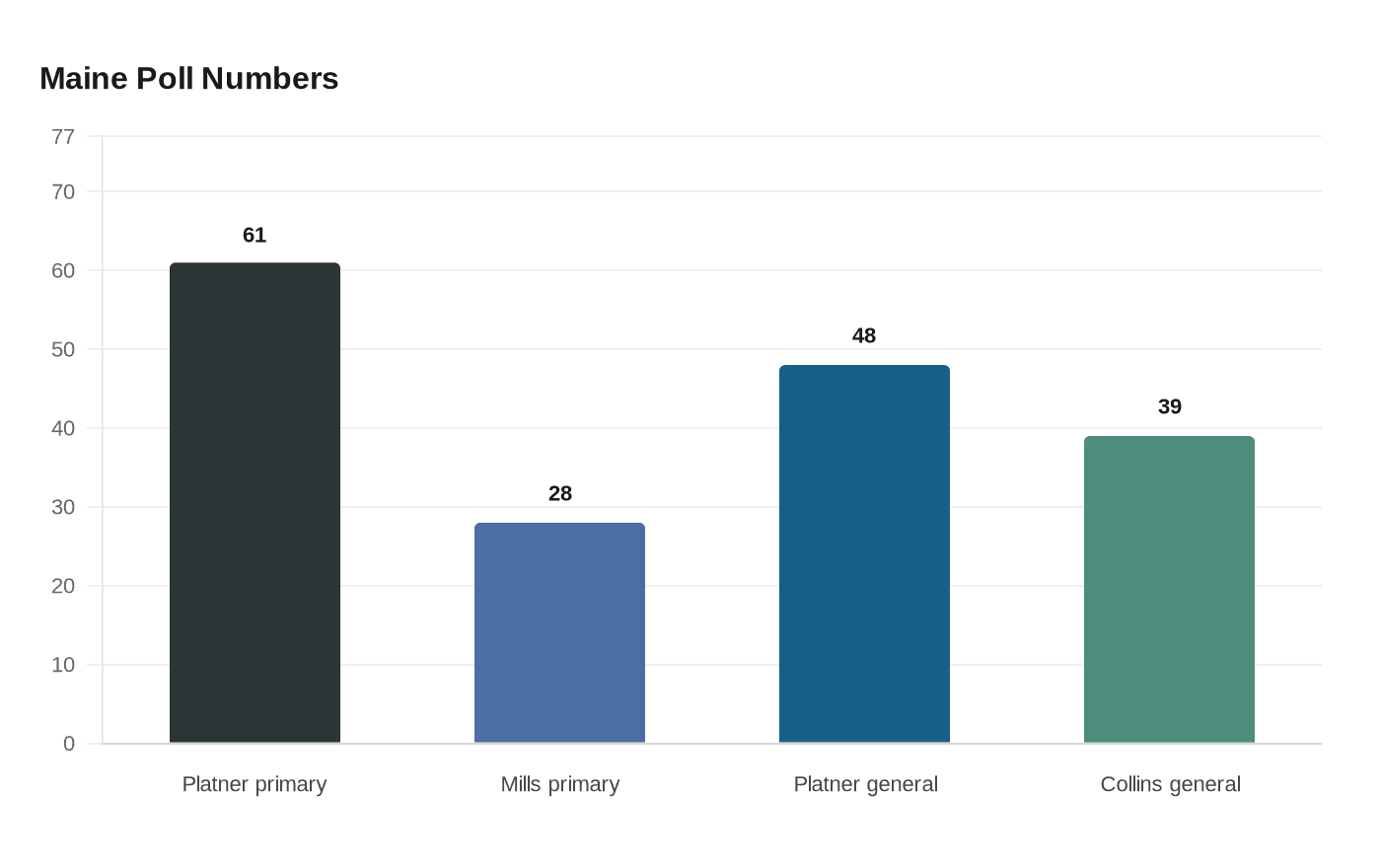
The numbers told the story before Mills bowed out. An Emerson College poll in March showed Platner ahead by 27 points, and a late-March Maine People’s Resource Center survey released April 7 put him at 61 percent to Mills’ 28 percent in the Democratic primary. That same poll showed Platner leading Collins 48 percent to 39 percent in a general-election matchup. Financially, the gap was just as stark: Mills reported a little more than $1 million in cash on hand at the end of March, while Platner had $2.7 million. Her campaign had already stopped running television ads in April.
Schumer and DSCC Chair Kirsten Gillibrand said after Mills exited that they would support Platner, while still calling Mills a “formidable governor.” Collins responded with a brief note thanking Mills for her decades of service to Maine.
Platner’s ascent has also intensified the intraparty fight over the Democratic Party’s future. He has drawn support from Bernie Sanders, Elizabeth Warren, Ruben Gallego and Martin Heinrich, while Republicans and Pine Tree Results PAC have attacked him over old Reddit comments and a tattoo that resembled a Nazi insignia. The National Republican Senatorial Committee has argued that he is too extreme for Maine, even as Democrats face a harder question: whether the party’s path back to the Senate runs through establishment discipline, or through a newer, rougher kind of candidate who is already proving harder for Susan Collins to beat.
Know something we missed? Have a correction or additional information?
Submit a Tip