Trump Faces Legal Battles, Administrative Pushback in Second Presidency
Paint jobs and commemorative items came and went, but the louder story was legal: Trump’s second presidency kept drawing lawsuits, injunctions, and criminal fallout.

Paint jobs, commemorative items and fresh indictments have crowded the federal calendar, but the larger pattern is harder to miss: Donald Trump’s second presidency has been defined by sheer volume, with rapid-fire action on one front followed by legal resistance on another.
In the first 100 days alone, the most common alerts were about actions taken by Trump or his administration. Roughly 20 alerts involved lawsuits or other efforts to oppose those moves, and courts blocked or reversed Trump actions, or Trump reversed himself, in dozens of cases. Hundreds of lawsuits have now been filed against the second Trump administration, including challenges to executive orders and other actions tied to Elon Musk’s Department of Government Efficiency. The effect is a governing style built on saturation, where constant motion keeps the White House at the center of the news even when the policy itself is halted.
That legal churn has not stayed in the abstract. Trump has faced four criminal indictments, and the Manhattan hush-money case reached a conviction on May 30, 2024, before Juan M. Merchan later imposed an unconditional discharge on January 10, 2025. The case involved Michael Cohen and Stormy Daniels, and it remained one of the most consequential criminal proceedings tied to Trump’s return to power. Special counsel Jack Smith then dropped both the election-subversion case and the classified-documents case on November 25, 2024, after Trump’s reelection, narrowing one set of federal threats even as the broader legal fight continued.
In Georgia, the Fulton County election-interference case has remained another major fault line. Fulton County District Attorney Fani Willis filed the indictment on August 14, 2023, against Trump and 18 co-defendants. Some charges were tossed in March 2024, and more were tossed in September 2024 while appeals courts reviewed questions about Willis’s conduct. The case has moved slowly, but it has not gone away, and it remains a reminder that Trump’s legal exposure extends far beyond Washington.
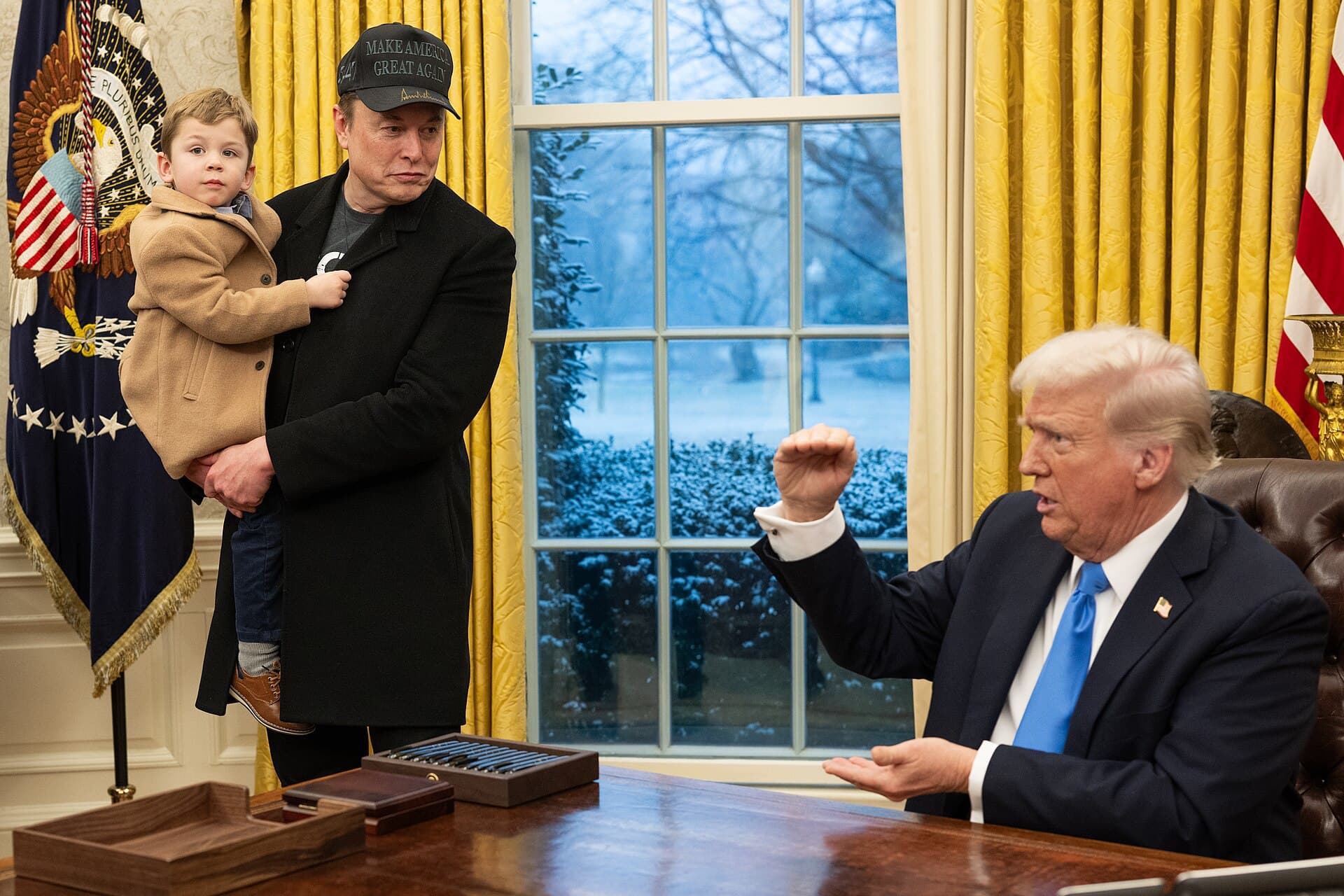
That pressure has also shaped Congress. In 2026, early retirement announcements have piled up as Republicans try to protect a narrow House majority, another sign that Trump’s political gravity is altering the calculation for lawmakers far from the courtroom. The practical result is a federal government where symbolic gestures, administrative blitzes and legal counterpunches all arrive at once. Some moves are mostly theater. Others have real legal force. A few still change lives and institutions directly. Together, they describe a presidency that governs by saturating the system and forcing everyone else to react.
This article was produced by Prism’s automated news system from verified source data, official records, and press releases, then run through automated quality and moderation checks before publishing. The system is built and supervised by the people who set the standards it runs under. Read our full AI policy.
Did this article answer your question?

