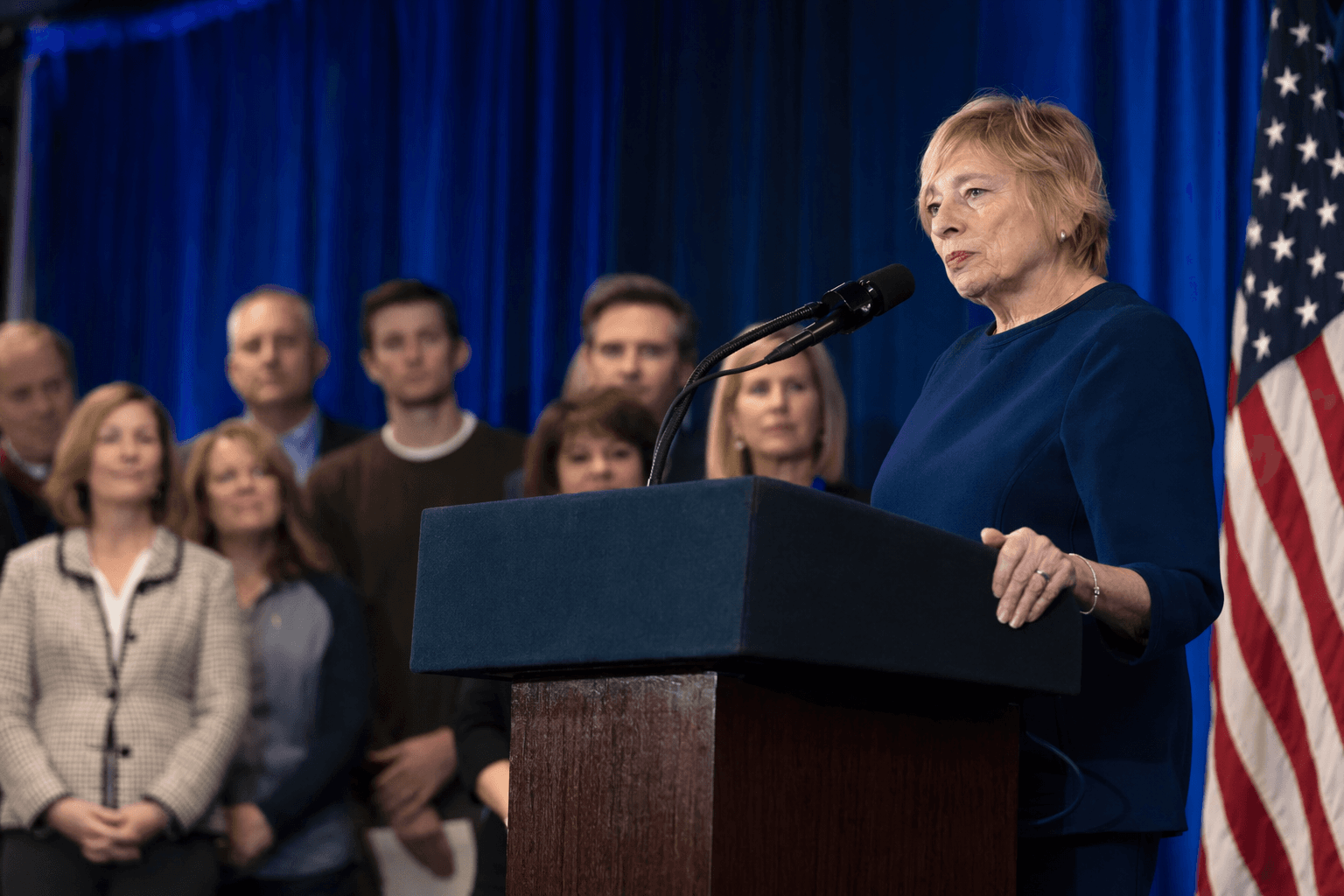
Mills exits Maine Senate race, reshaping Democrats' path against Collins
Mills quit the Senate race after Platner’s lead widened, leaving Democrats to rebuild around a nominee voters found more energizing against Collins.

Janet Mills’ exit from Maine’s Senate race exposed a hard truth for Democrats: personal approval did not translate into primary energy. Many voters who respected the governor’s record said they were not surprised to see her suspend her campaign, after Graham Platner overtook her with a sharper, cheaper and more insurgent message.
Mills announced on April 30 that she was stepping back from the U.S. Senate contest, a race Democrats had hoped she would make competitive against Republican Sen. Susan Collins, who is seeking a sixth term. Senate Minority Leader Chuck Schumer had recruited Mills as the party’s best shot at the seat, betting that a two-term governor with statewide name recognition could assemble the coalition needed for November. Instead, the contest became a test of whether institutional credibility could outrun frustration with the old guard.
The answer, at least in the primary, was no. A University of New Hampshire Survey Center poll on February 24 found Platner, a Marine Corps veteran and Hancock County oysterman, leading Mills 64 percent to 26 percent among likely Democratic primary voters. The gap suggested more than a temporary stumble. It showed a Democratic electorate, still shaped by the fallout from Donald Trump’s 2024 win, gravitating toward a candidate who looked and sounded different from the party’s leadership class.
Money reinforced the same story. Federal Election Commission filings through March 31 showed Mills had raised $5,359,823.45 and had $1,074,353.56 cash on hand. Platner had raised $11,956,529.27 and held $2,730,857.61. Mills also stopped running television ads on April 10, an unmistakable sign that her campaign was struggling to interrupt Platner’s momentum before the June 9 primary.

The race had become a proxy fight over generational and governing divides inside the Democratic Party. Mills, Maine’s first female governor and the first governor since 1970 to win both of her terms with a majority of the vote, carried deep respect from many Mainers, from Madawaska to Kittery and from Rangeley to Eastport. But in the Senate primary, voters appeared to separate admiration from desire. They could value her as governor and still decide she was not the candidate who could best animate a challenge to Collins.
Platner praised Mills’ career and framed her decision as part of a shared effort to defeat Collins. Collins, for her part, said the move must have been difficult and thanked Mills for decades of service to Maine. For Democrats, the larger question now is whether Platner’s rise can turn a fractured primary into a credible statewide threat before November’s battle for the Senate majority tightens around Maine.
Know something we missed? Have a correction or additional information?
Submit a Tip