Minneapolis Schools Expand Civics Lessons Amid Rising Political Strain
Minneapolis is expanding civics instruction as Minnesota tightens graduation rules, even as the district weighs closures in half-empty schools.

Minneapolis Public Schools is putting civic learning at the center of its mission just as Minnesota is asking schools to do more of it. The district says it exists to provide a high-quality, anti-racist, culturally responsive education for every Minneapolis student, and the state is now backing that expectation with tighter standards, new graduation requirements, and a broader definition of what schools are supposed to produce.
Minnesota’s K-12 social studies standards include 50 civics-test questions selected with the Learning Law and Democracy Foundation, and the state renamed its school accountability system in 2024 from World’s Best Workforce to Comprehensive Achievement and Civic Readiness. That change matters because it ties academic performance to civic preparation, not just test scores. Under the new requirement, students who enter high school in the 2024-25 school year or later must complete a personal finance course and a government-and-citizenship class before graduation.
The state’s civic infrastructure reaches beyond classroom mandates. The Minnesota Humanities Center coordinates Project Citizen and We the People programs, and the Minnesota Civic Seal offers a structured pathway for civic knowledge and engagement. Together, those programs point to a system that is trying to make democracy something students practice, not just something they study. In Minneapolis, that approach sits inside a district that has publicly centered racial justice and community-based learning, making the city a test case for whether civic education can be built into everyday school life.
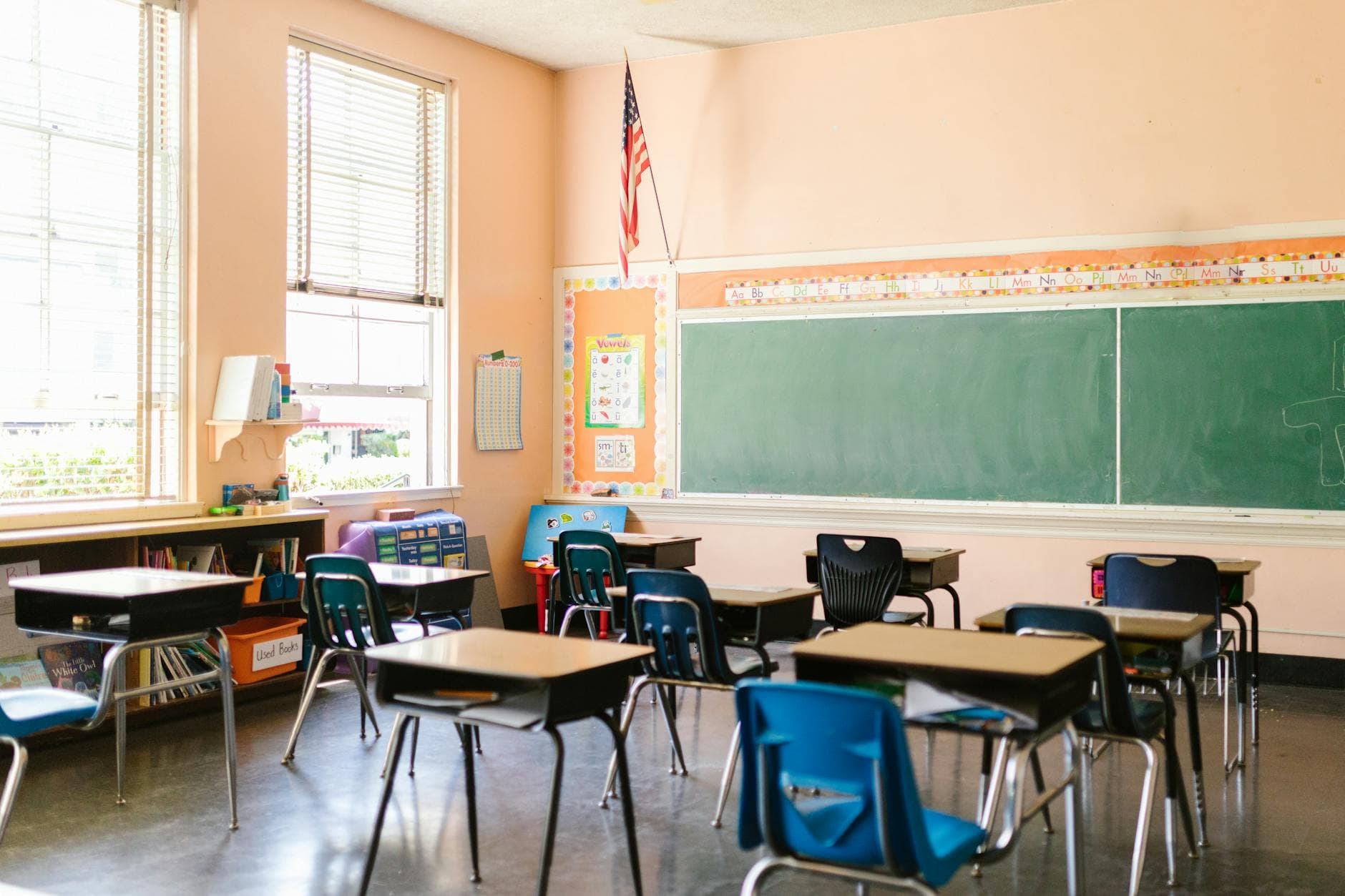
The stakes are high because political conflict is increasingly spilling into schools. The National Education Association has warned that political attacks and culture-war fights are undermining public education’s role in educating for democracy, a warning that lands sharply in Minneapolis. The district has about 29,000 students but space for 42,000, leaving many buildings half empty, and the Minneapolis school board has already asked for information that could lead to school closures as enrollment falls and budgets tighten. That means the same district trying to strengthen civic readiness is also confronting the institutional stress that can weaken it.
For Minneapolis, the question is no longer whether civics belongs in school. It is whether the district’s mix of standards, graduation rules, community engagement, and civic programs can survive the pressure of declining enrollment and still be scaled across a system large enough to test whether democratic habits can be taught institutionally, not just admired from a distance.
This article was produced by Prism’s automated news system from verified source data, official records, and press releases, then run through automated quality and moderation checks before publishing. The system is built and supervised by the people who set the standards it runs under. Read our full AI policy.
Did this article answer your question?

