Missile Strikes Ignite Fire at Saudi SABIC Petrochemical Plants in Jubail
Seven ballistic missiles struck SABIC's Jubail petrochemical complex, igniting fires that threaten global plastics and fertilizer supply chains as oil markets spike.
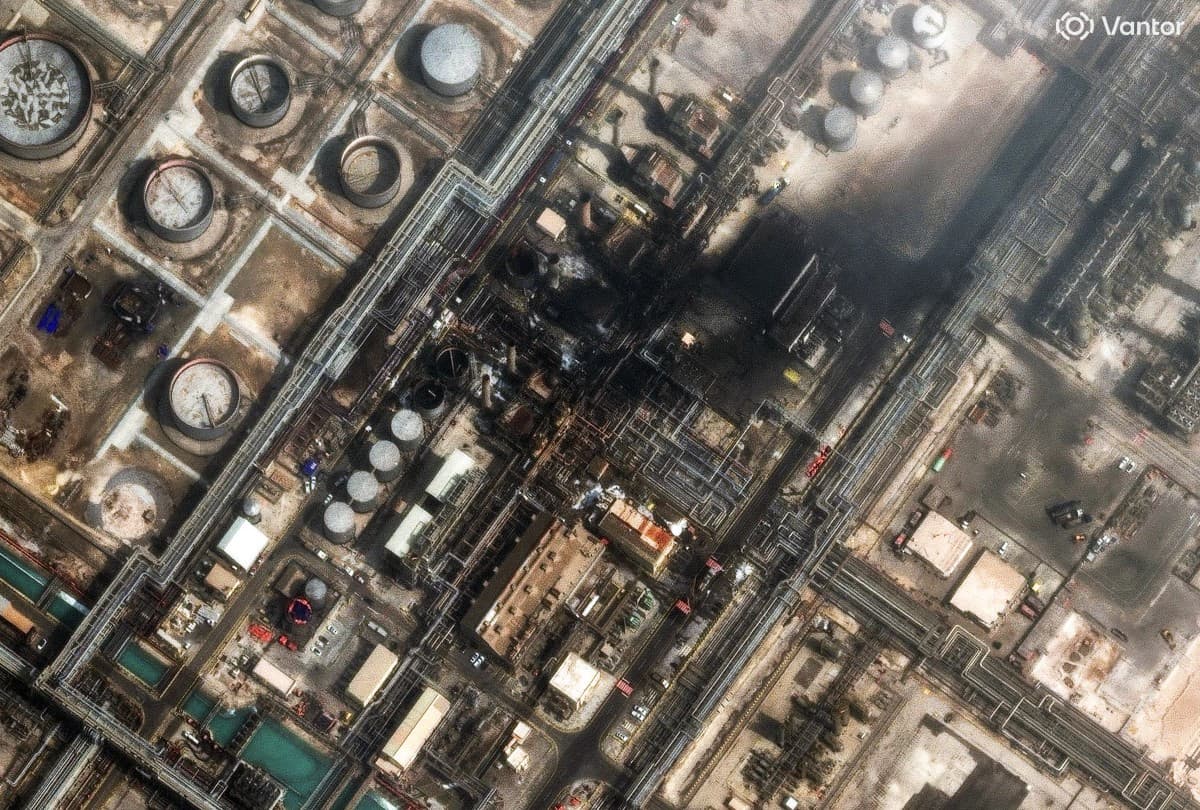
Flames burning over Jubail Industrial City delivered a stark warning to global commodity markets: the sprawling complex that supplies feedstocks for plastics, fertilizers and industrial chemicals worldwide is now squarely in the crosshairs of the Gulf's widening missile conflict.
Saudi air defenses intercepted seven ballistic missiles aimed at the kingdom's eastern region, but debris still fell near power facilities and fires broke out at plants operated by Saudi Basic Industries Corporation, known as SABIC, one of the world's largest petrochemical producers. A source on the ground captured the moment of impact: "An attack caused a fire at the SABIC plants in Jubail. The sounds of explosions were very loud."
The Saudi defense ministry confirmed the interceptions in a post and said "parts of ballistic missile debris fell around power facilities; damage assessment is underway." That caveat carries considerable weight: Jubail hosts hundreds of refineries, petrochemical plants and export terminals, and even a partial shutdown of SABIC operations could tighten global supplies of the raw materials that feed manufacturing and agriculture in the United States and beyond. As a further precaution, the General Authority for King Fahd Causeway suspended all movement across the bridge linking Saudi Arabia and Bahrain.
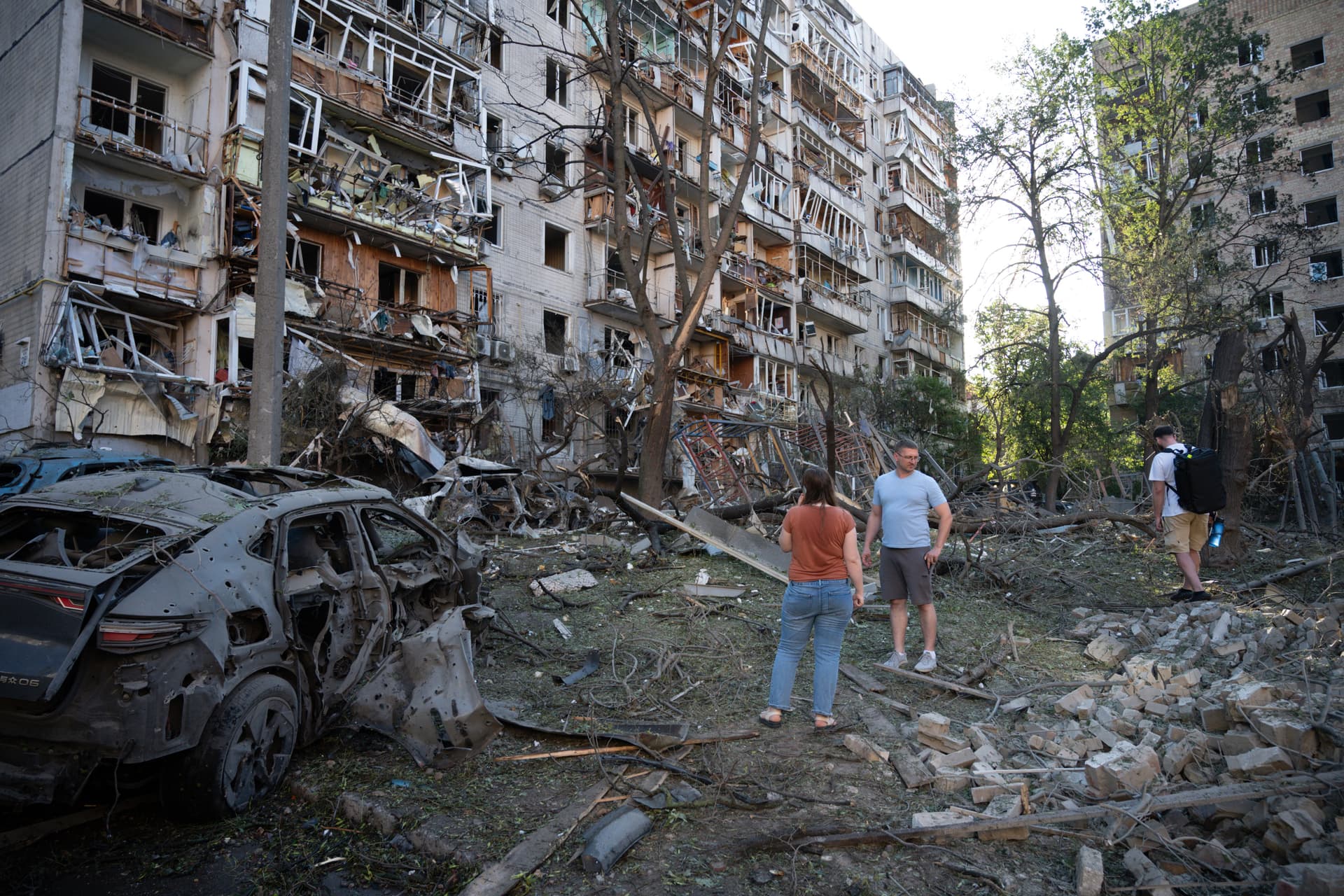
The attack came hours after a reported strike on Iran's Asaluyeh petrochemical zone, underscoring the tit-for-tat character of a conflict that has now struck industrial infrastructure on both sides of the Gulf. The strikes fit a larger pattern of missile and drone attacks across the region targeting airports, fuel depots and chemical complexes in the context of U.S. and Israeli operations against Iranian infrastructure and Iranian retaliatory strikes.
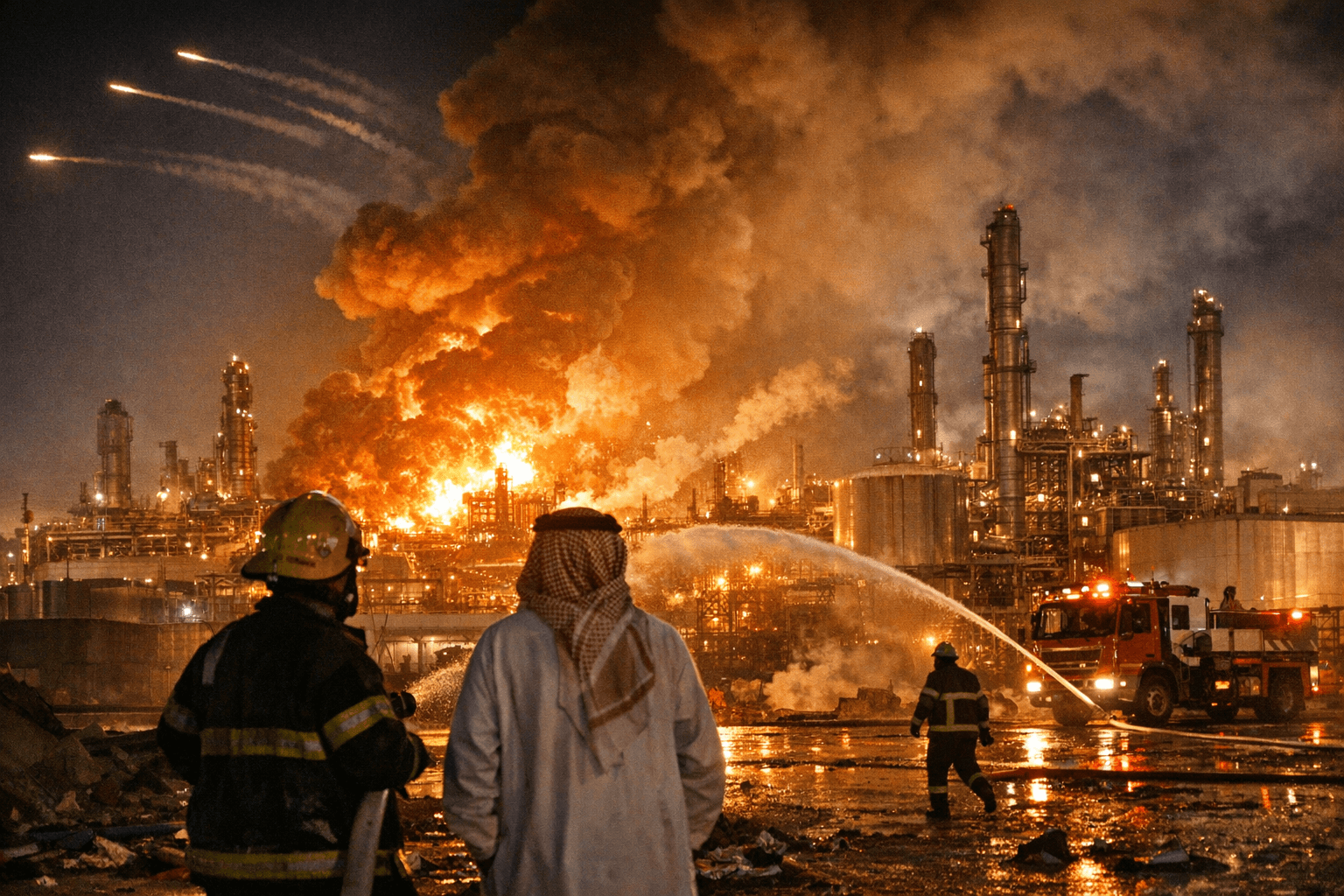
For consumers and manufacturers, the economic exposure is direct. SABIC's Jubail operations feed global supply chains for petrochemical feedstocks that flow into plastic packaging, synthetic materials and crop nutrients. A prolonged shutdown would compound pressure on commodity markets already reacting to regional instability, with downstream consequences for industries dependent on uninterrupted feedstock supply.
The broader security picture raises equally serious questions. The ability of ballistic missiles to penetrate toward one of the world's most critical industrial corridors signals gaps in Gulf air defense coverage that regional governments and their partners will be urgently assessing. Oil markets have already responded with a price rally driven by fears of sustained supply disruptions and risks to shipping through the Strait of Hormuz, the narrow passage through which a substantial portion of the world's seaborne oil transits.
With damage assessments still underway and the identity of those responsible for the Jubail strike not yet officially confirmed, the central risk is miscalculation. Each strike on energy infrastructure raises the threshold for what regional actors consider an acceptable provocation, and the suspension of a major international crossing like the King Fahd Causeway illustrates how quickly industrial conflict translates into wider civil disruption. Diplomatic channels will be under intense pressure to contain the escalation before the next barrage reaches something that cannot be rebuilt quickly.
This article was produced by Prism’s automated news system from verified source data, official records, and press releases, then run through automated quality and moderation checks before publishing. The system is built and supervised by the people who set the standards it runs under. Read our full AI policy.
Did this article answer your question?