Missing Pennsylvania teen identified 26 years after brutal Massachusetts murder
Tiffany Bradley was named 26 years after her body was found in Chelsea, closing a Jane Doe case that had outlasted the murder itself.

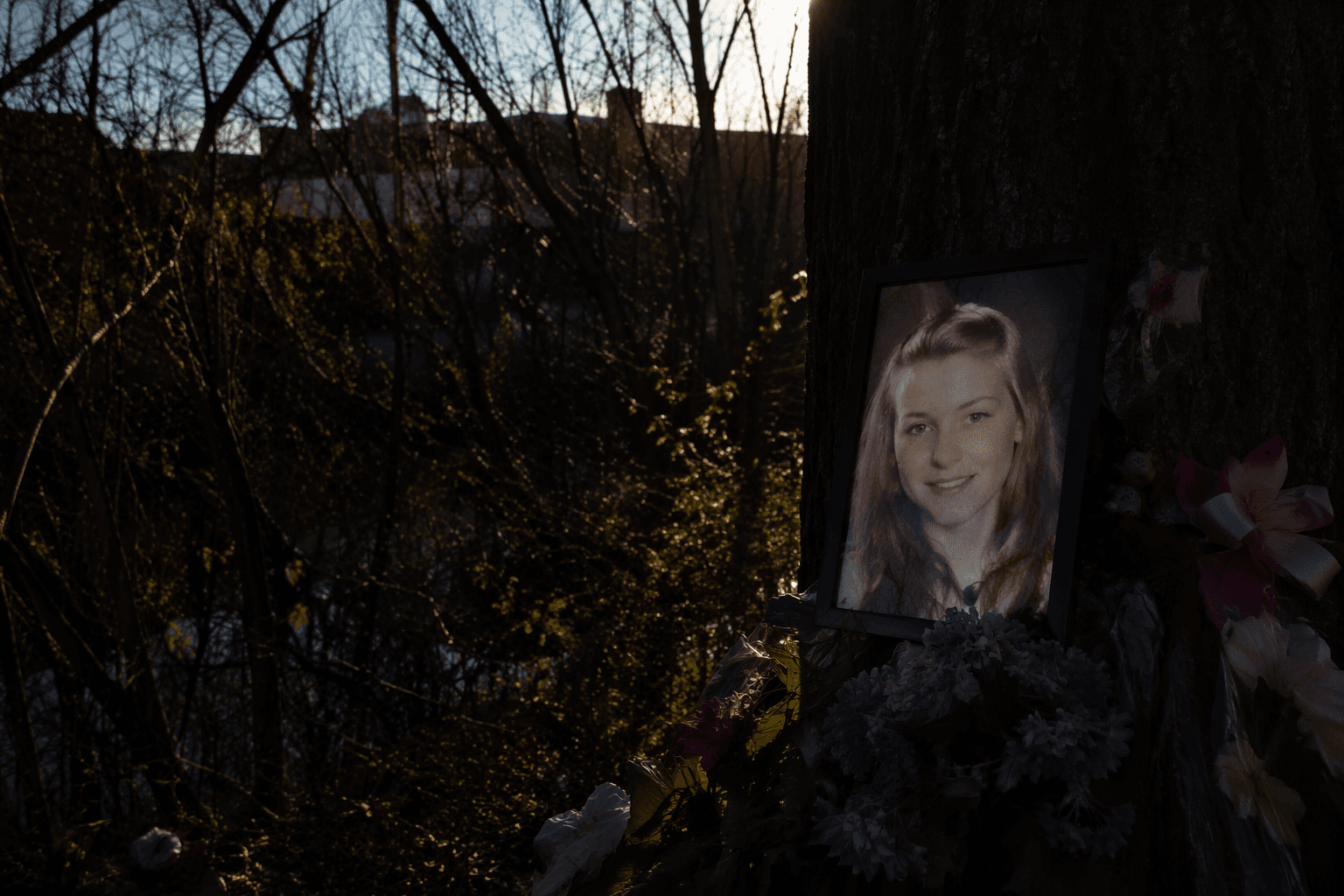
For 26 years, the victim known as Chelsea Jane Doe had no name, even after investigators solved the murder. DNA testing and genealogical research have now identified her as Tiffany Bradley, a 16-year-old from Allentown, Pennsylvania, restoring her identity to a case that had remained frozen in anonymity since 2000.
Authorities announced the identification on June 3, saying Bradley was reported missing on Nov. 8, 2000, then found five days later in a parking lot at the Veterans Home at Chelsea, formerly the Soldiers’ Home. Her body was dismembered, and her head and hands were missing when she was discovered just days before her 17th birthday. Investigators later found her head and hands buried separately at Nahant Beach in 2004, a grim detail that helped sharpen the case even as her name remained unknown.
The killing itself had already been solved years ago. Eugene McCollom of Lynn confessed, pleaded guilty to murder in 2005 and is serving a life sentence. Authorities said McCollom claimed the victim was a sex worker from Philadelphia and may have used the name Lisa, while investigators later concluded that Bradley had been trafficked to the Boston area. Officials said the new identification came from DNA work and genealogical research, including a DNA link to a brother in Texas, showing how modern forensic tools can reconnect fractured family lines long after a homicide case has closed.
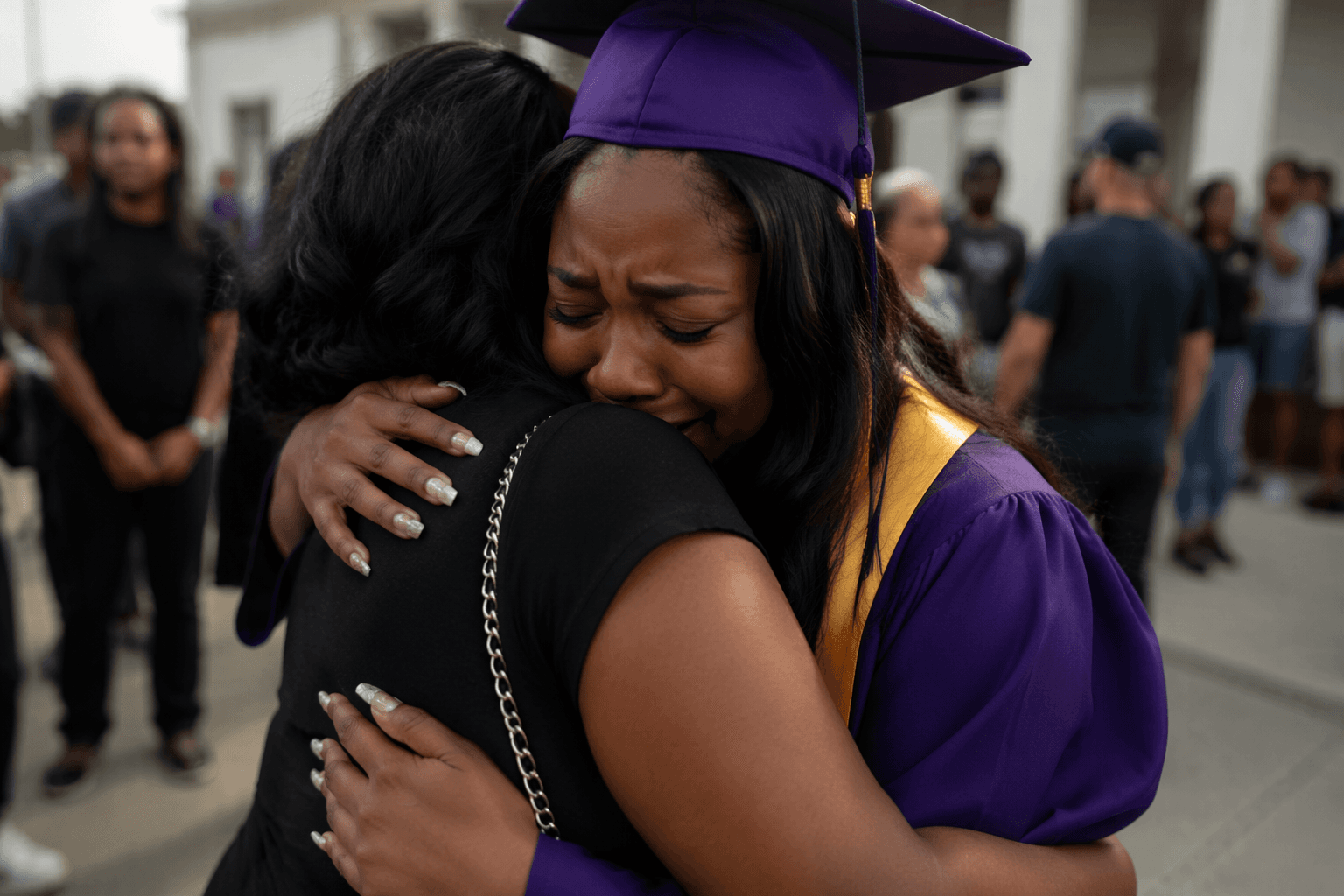
The identification brought a measure of relief to Bradley’s relatives, who attended the announcement alongside Suffolk County District Attorney Kevin Hayden, FBI Boston Special Agent in Charge Ted Docks and Massachusetts State Police Colonel Geoffrey Noble. Bradley’s niece, Shakirah Wiggins, said it was “amazing” that people cared enough to give her a name, and her aunt, Janet Bradley-Knight, thanked investigators for not letting her loved one “be a box on a shelf.”
Family members remembered Bradley as a teenager who loved cheerleading and dancing and who also took part in basketball and ROTC during her last year of high school. The case now stands as a stark example of forensic genealogy’s reach and its limits: science can finally restore a name to the dead, but it cannot undo the years a family spent waiting to learn who had been taken from them.
This article was produced by Prism’s automated news system from verified source data, official records, and press releases, then run through automated quality and moderation checks before publishing. The system is built and supervised by the people who set the standards it runs under. Read our full AI policy.
Know something we missed? Have a correction or additional information?
Submit a Tip