Missionary doctor treated for Ebola after outbreak in Congo
After fearing he wasn’t going to make it, Dr. Peter Stafford was flown to Berlin as Ebola spread in Congo and Uganda, exposing how fragile frontline care can be.
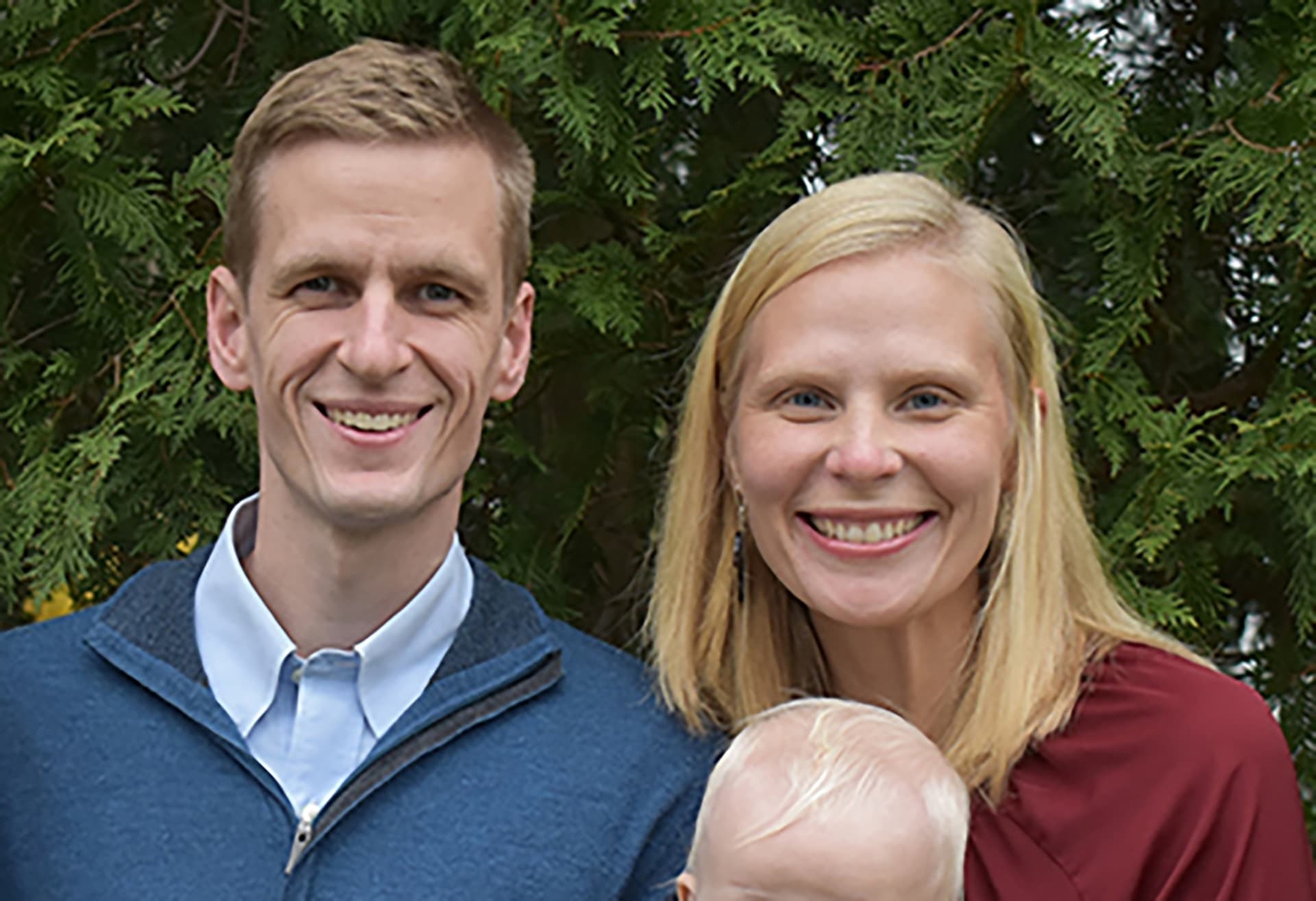
Dr. Peter Stafford said he feared he was not going to survive Ebola before he was evacuated from eastern Congo to Berlin for specialized treatment. In a statement shared by Serge, the missionary organization he was serving with, Stafford said, “Before I was evacuated I was feeling really concerned I wasn’t going to make it. And now I’m cautiously optimistic.”
Stafford was exposed while treating patients in Bunia, in Ituri Province of the Democratic Republic of the Congo, at Nyankunde Hospital, according to Serge. The organization said he had unknowingly operated on a patient with Ebola before the outbreak was detected, a stark example of how quickly the virus can endanger clinicians working without full knowledge of what they are facing.
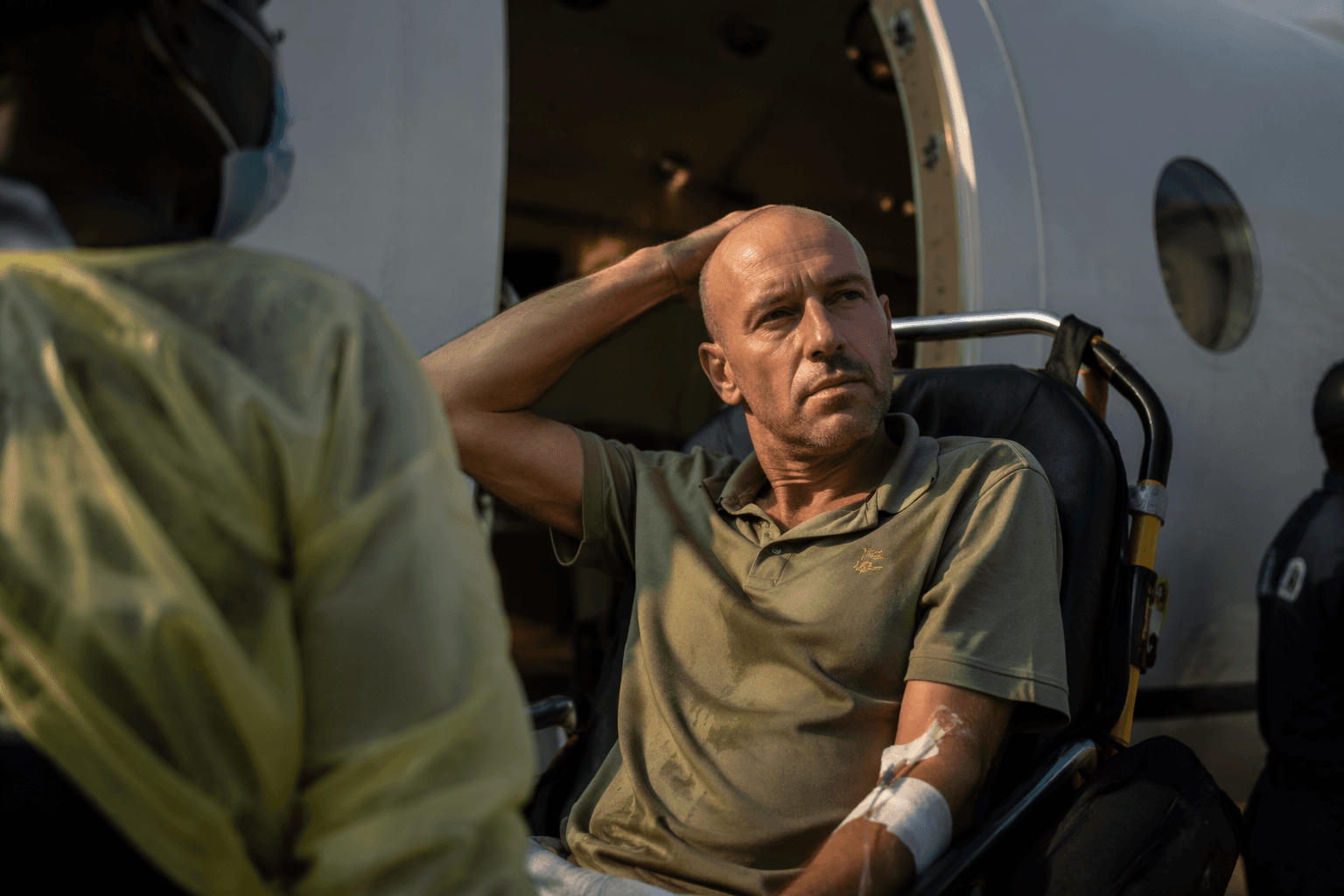
He tested positive for the Bundibugyo ebolavirus variant and was evacuated to Charité University Hospital in Berlin for specialized care. As of May 21, Serge said Stafford was critically ill but not acutely deteriorating, had started eating small amounts of food, and had received two intravenous treatments intended to improve Ebola outcomes. German care teams were rotating in three-hour shifts because they had to wear full-body hazmat suits.
The evacuation has highlighted how survival in Ebola outbreaks often depends on speed, access, and geography. The World Health Organization declared the Ebola outbreak in the Democratic Republic of the Congo and Uganda a Public Health Emergency of International Concern on May 16 and 17, citing the Bundibugyo strain, a rarer Ebola species than the more common Zaire strain and one for which experts say there are no specific approved vaccines or treatments.
Public health officials have warned that the outbreak may be larger than initially understood. Reports have put the toll at more than 250 suspected cases and 80 suspected deaths, while other accounts have described more than 300 suspected cases and at least 100 deaths. Health experts said early cases may have gone undetected, allowing the virus to spread before the scale of the emergency was fully recognized.
Stafford’s wife, Dr. Rebekah Stafford, and the couple’s four children were in a separate space at Charité, asymptomatic and being monitored. Their colleague, Dr. Patrick LaRochelle, was quarantined in Prague and also remained asymptomatic. Serge said its staff knew the region well and had served in previous Ebola outbreaks, underscoring how even experienced responders can be overtaken when diagnosis comes late and protective measures arrive after exposure.
Know something we missed? Have a correction or additional information?
Submit a Tip