MIT 3D-prints functional electromagnetic linear motor in three hours for 50 cents
MIT researchers printed a functioning electromagnetic linear motor in about three hours using roughly $0.50 in materials and a single post-print magnetization step.
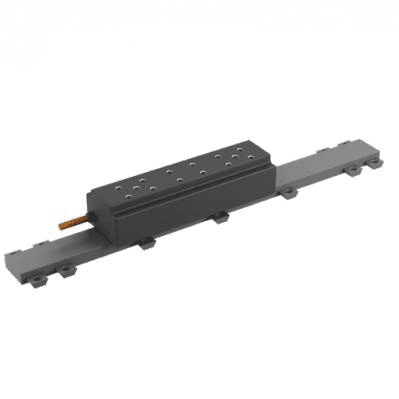
MIT researchers retrofitted an extrusion-based 3D printer to deposit five distinct materials and produced a working electromagnetic linear motor in about three hours at a materials cost of roughly $0.50, with the device requiring only a single post-print magnetization step to become fully operational. The work appears in the journal Virtual and Physical Prototyping and was demonstrated as a continuous, single-piece production without assembly.
The retrofit added four toolheads to a conventional extrusion platform: a filament extruder, a pellet extruder, an ink extruder, and a heater. Using those tools the team printed dielectric, electrically conductive, soft magnetic, hard magnetic, and flexible materials in one uninterrupted build, enabling embedded conductors and magnetic structures that traditionally require separate components and assembly steps.
Control and sensing were central to the approach. The researchers built a new control framework with strategically placed sensors to ensure precise tool positioning because, they report, even small misalignments between layers can degrade electric machine performance. Senior author Luis Fernando Velázquez-Garcia described the engineering challenge as combining multiple forms of extrusion printing into one platform, a complexity the team addressed through coordinated tooling and feedback.
On performance the team reported results that match or exceed conventionally manufactured counterparts. The researchers said the printed motor worked as well as or better than traditional equivalents, and their performance tests indicated several times more actuation than a common type of linear engine that relies on complex hydraulic amplifiers. The demonstrations did not include full numerical breakdowns of torque, efficiency, or lifetime cycles in the public summaries, so the published paper in Virtual and Physical Prototyping is the next stop for detailed metrics.
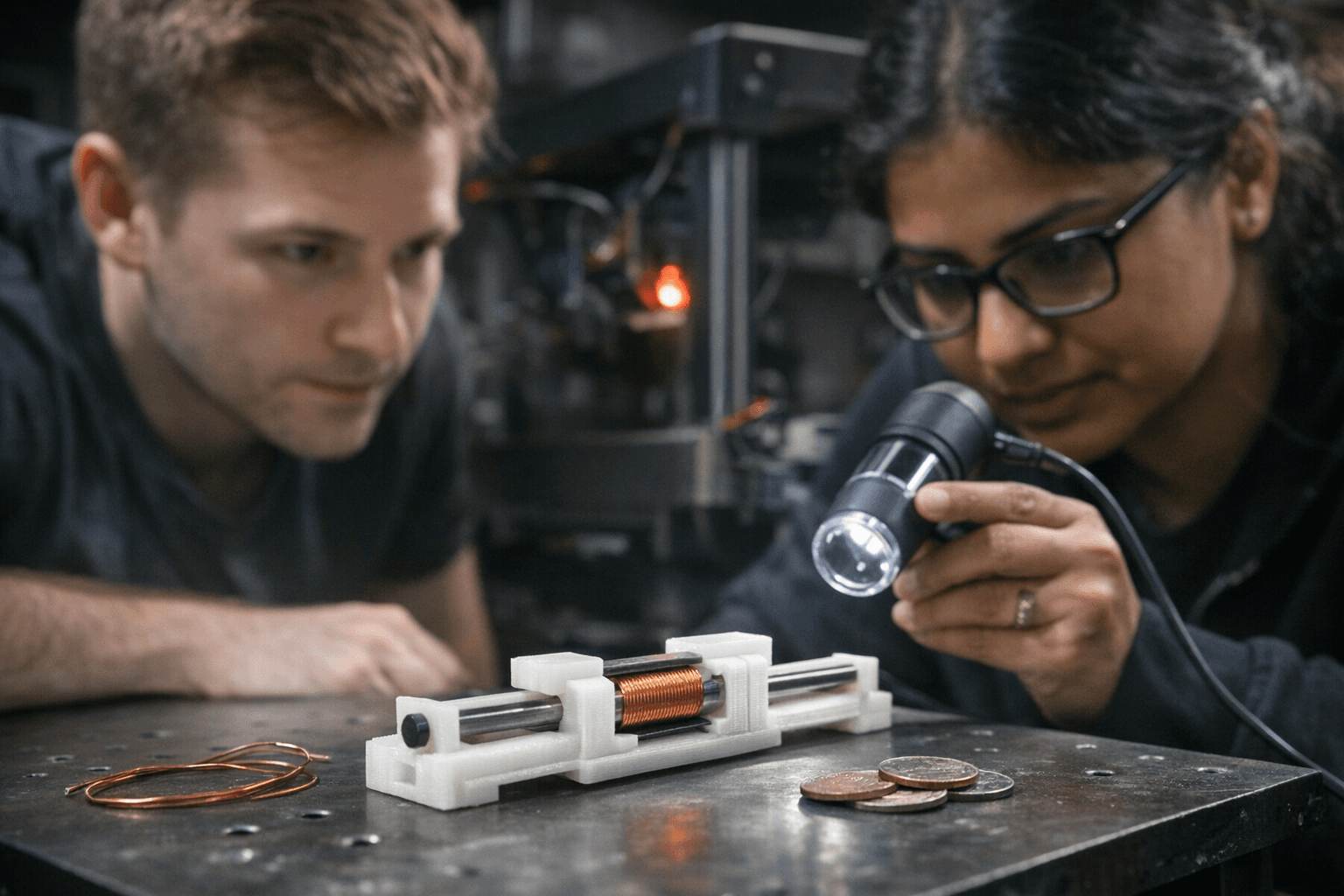
The proof-of-concept linear motor points to practical use cases: robotics, optical systems, conveyor belts, and logistics hardware that require straight-line actuation. The team framed the method as a way to decentralize production of electric machines, producing spare motors on-site to reduce downtime caused by centralized factories, specialized tooling, and multi-step assembly.
Key open questions remain in the public reporting: the paper’s full citation details, the base printer model used for the retrofit, exact material formulations and magnetic properties, the magnetization procedure specifics, and comprehensive quantitative performance figures. Even so, a three-hour build time and approximately $0.50 in consumables lower an important barrier: the ability to print an embedded, functioning electromechanical device on a desktop-scale extrusion system and make it usable after a single activation step.
Know something we missed? Have a correction or additional information?
Submit a Tip