Mobileye plans robotaxi launch in a U.S. city in 2027
Mobileye is stepping from supplier to operator, starting with about 100 robotaxis in a U.S. city and targeting 17,000 vehicles over five years.

Mobileye is moving from selling self-driving systems to running its own robotaxi business, a shift that turns the Intel subsidiary into a direct operator in one of the most contested corners of mobility. The company plans to begin in a major U.S. metropolitan market in 2027 with about 100 vehicles, then phase that fleet in through the year and build toward roughly 17,000 vehicles over the next five years.
The move is Mobileye’s second-act test. After years of autonomous-vehicle hype cycles that promised rapid scale but delivered slow, expensive progress, the company is betting that a narrower launch and a much more explicit business model can work where earlier ambitions stalled. The initial 100-car rollout is modest by design, but it is also a credibility test: if Mobileye cannot operate a small commercial fleet smoothly, a five-year target of 17,000 vehicles will look aspirational rather than operational.
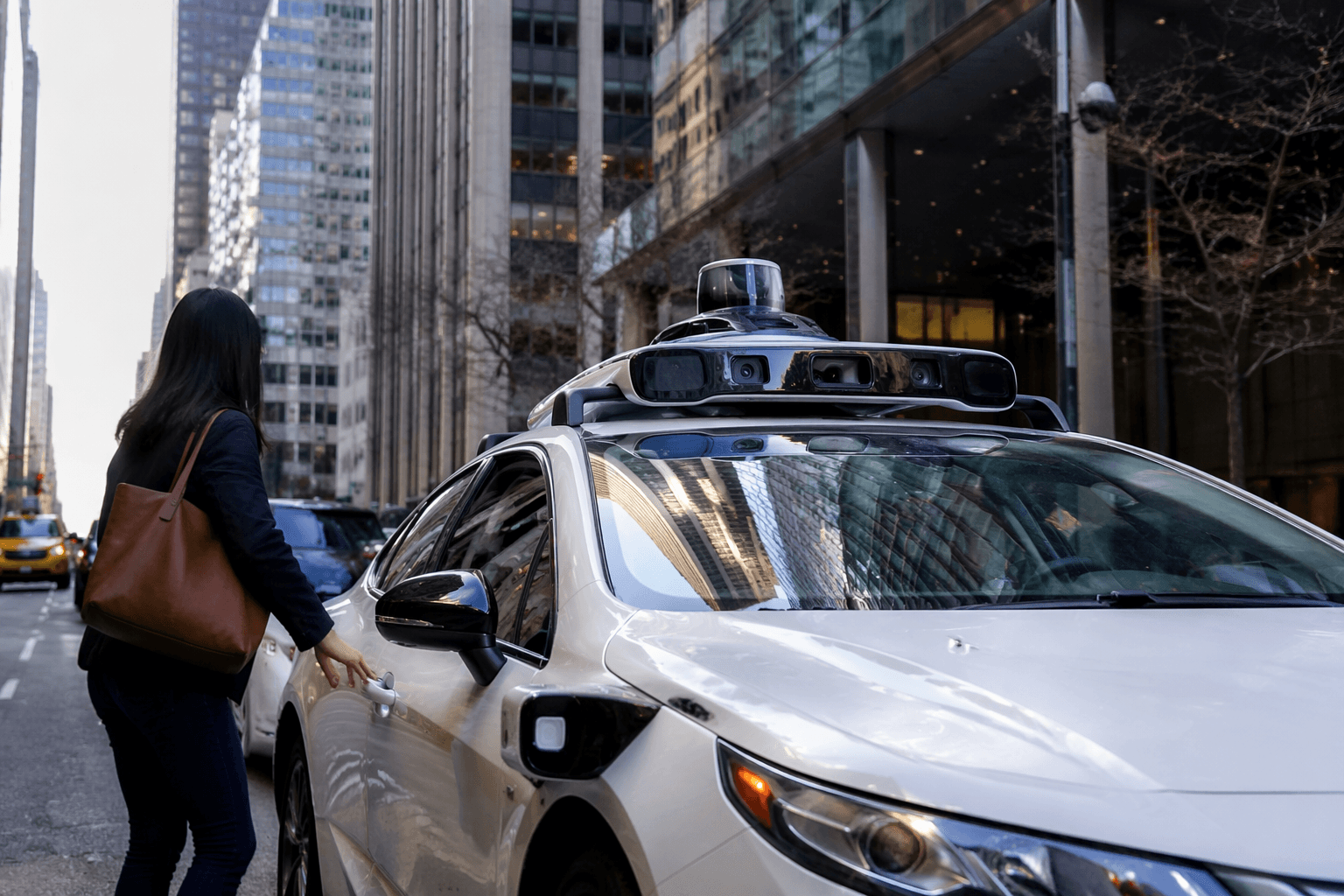
What changed for Mobileye is not just technology, but strategy. The company said the new business will be vertically integrated and will cover fleet operations, rider services and mobility management, while still continuing to supply Mobileye Drive to automakers and mobility operators. It will pair Mobileye Drive with Moovit’s Mobility Platform and consumer-facing apps, combining autonomous driving with multimodal trip planning, AV mission control, fleet-management tools and teleoperation infrastructure. That packaging suggests Mobileye wants to sell a complete transportation stack, not just software that sits inside someone else’s vehicle program.

Amnon Shashua framed the plan as a wager on deep autonomous-driving expertise, industry partnerships and broader mobility ecosystem capabilities. The market clearly liked the pitch. Mobileye shares rose about 6% after the announcement. But the competitive field is already crowded: Waymo was operating across 11 U.S. cities, Tesla had about 50 autonomous vehicles authorized for driverless ride-hailing in Texas, and Zoox remains another heavyweight in the race. Mobileye’s challenge is therefore twofold, proving it can run a service customers will use while also persuading automakers and mobility partners that its direct entry into robotaxis does not make it a less reliable supplier.
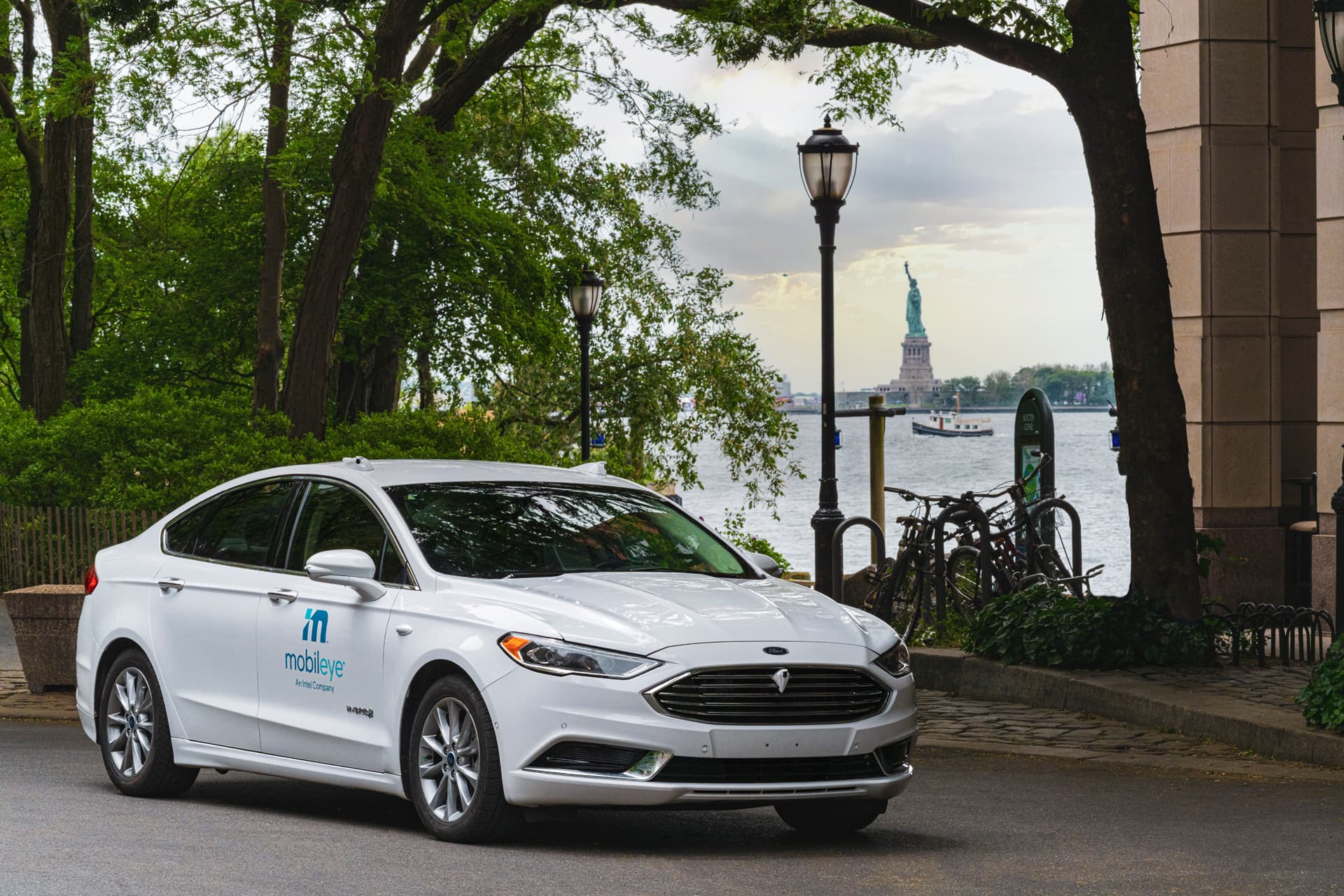
The company has set out a long runway, but the first real measure will come from a small fleet in one unnamed U.S. city. If Mobileye can turn that 100-car start into a scalable business, it will have done more than join the robotaxi race. It will have shown that the category can finally support a commercial model instead of another round of autonomous hype.
This article was produced by Prism’s automated news system from verified source data, official records, and press releases, then run through automated quality and moderation checks before publishing. The system is built and supervised by the people who set the standards it runs under. Read our full AI policy.
Did this article answer your question?