Moderna to curb investments in late-stage vaccine trials amid U.S. pushback
Moderna's CEO said the company will halt new late-stage vaccine trials, citing U.S. official opposition and regulatory and market access concerns.
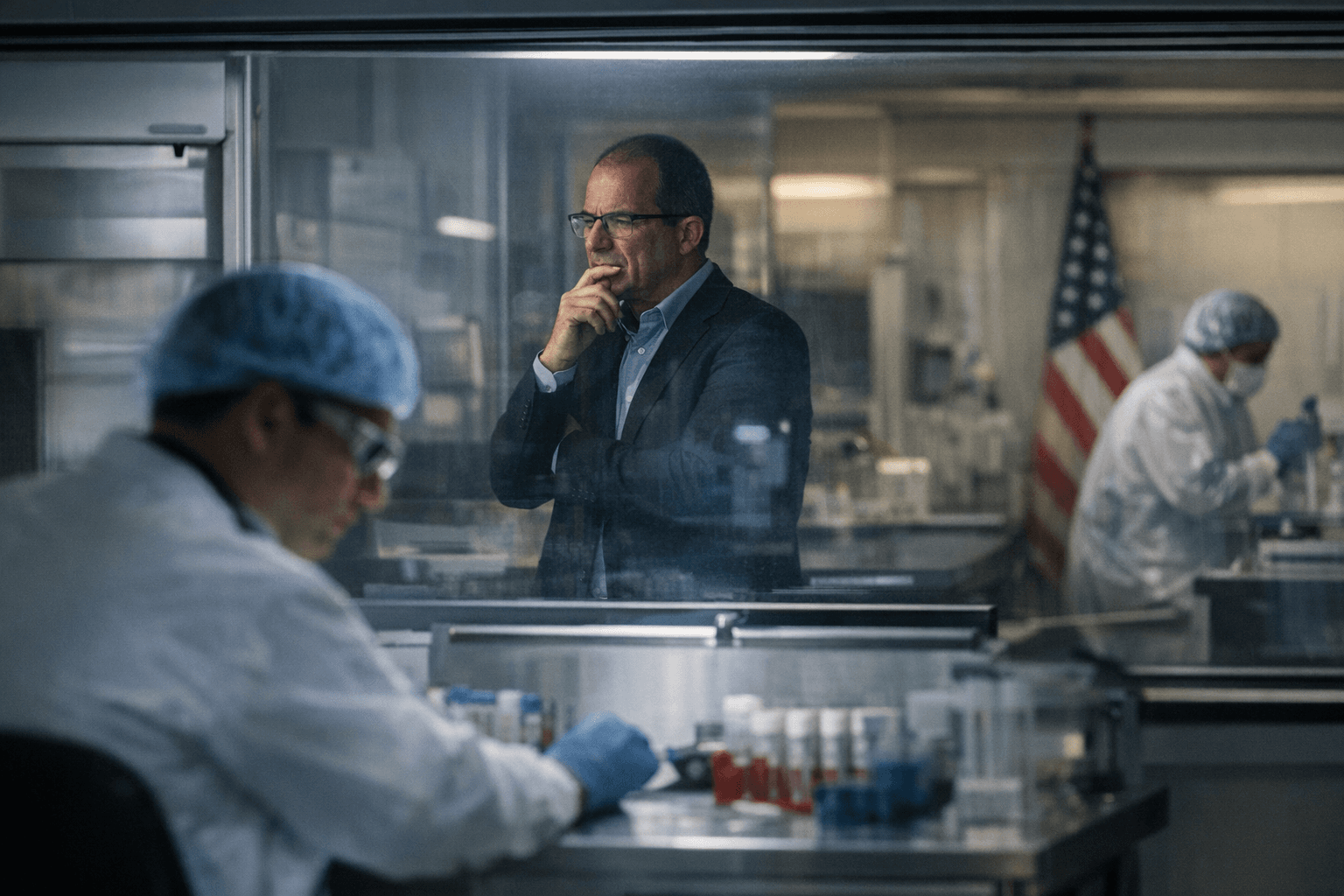
Moderna signaled a major shift in the commercial vaccine landscape when CEO Stéphane Bancel said the company will not invest in new late-stage vaccine trials, citing growing opposition to immunizations among U.S. officials and perceived regulatory and market access barriers. Bancel made the comments in an interview at the World Economic Forum in Davos, signaling how political and policy uncertainty in the United States is now shaping private investment in crucial public health tools.
The decision marks a turning point for a company that helped demonstrate the potential of mRNA technology during the COVID-19 pandemic. Late-stage trials, which are costly and time-consuming, are the final step before regulators consider broad approval and governments purchase vaccines at scale. Without new commitments from major developers, the pipeline for next-generation vaccines against influenza, respiratory syncytial virus, and other infectious threats could slow, with ripple effects for pandemic preparedness.
Public health experts warn that reduced industry investment will not be felt evenly. Communities already facing health disparities often bear the brunt of infectious disease burdens. Slower progress on vaccines that could reduce hospitalizations and deaths among older adults, people with chronic illnesses, and low-income populations risks widening existing inequities. For global health, the consequence could be fewer candidate vaccines advancing to licensure, leaving countries with weaker health systems more vulnerable during outbreaks.
The announcement also underscores a growing intersection between politics and regulatory policy. Companies depend on predictable regulatory pathways and assured market access, through advance purchase agreements, clear reimbursement frameworks, and public health endorsement, to justify the high cost of phase 3 trials. When political rhetoric, shifts in policy, or uncertain purchasing commitments make those pathways unclear, private investors may reassess the financial viability of large-scale vaccine programs.
Beyond immediate scientific consequences, the move may chill investor appetite across the biotech sector. Venture capital and public-market backers favor environments where public authorities send consistent signals that science-driven interventions will receive objective regulatory review and access to public procurement channels. Perceived hostility from officials toward certain immunizations could encourage companies to reallocate resources toward therapeutics or nonvaccine technologies with clearer short-term returns, or to prioritize markets outside the United States.
Healthcare policy responses will be critical. Regulators and elected officials can mitigate damage by reaffirming commitment to evidence-based review processes, guaranteeing transparent criteria for approval and procurement, and considering targeted incentives that lower the financial risk of late-stage trials. Federal and state programs that provide predictable demand for successful vaccines could sustain development pipelines and protect vulnerable populations.
The broader conversation also touches on public confidence. When elected officials and governmental agencies present mixed messages on vaccines, trust erodes not only among skeptical populations but within industry, which interprets those messages as potential commercial risk. Restoring a stable, science-led environment for vaccine development will require deliberate policy choices that balance rigorous safety review with recognition of vaccines’ role in reducing illness and inequity.
Moderna’s move to step back from new late-stage vaccine trials is a practical response to those risks. Its decision highlights how policy environments can directly affect the trajectory of medical innovation, with consequences for community health, health equity, and national preparedness for future outbreaks.
This article was produced by Prism’s automated news system from verified source data, official records, and press releases, then run through automated quality and moderation checks before publishing. The system is built and supervised by the people who set the standards it runs under. Read our full AI policy.
Did this article answer your question?


