Mordecai Park anchors Wake County's living history sites
Mordecai Historic Park and county sites offer education, green space, and community programs that matter for families, schools, and local identity.
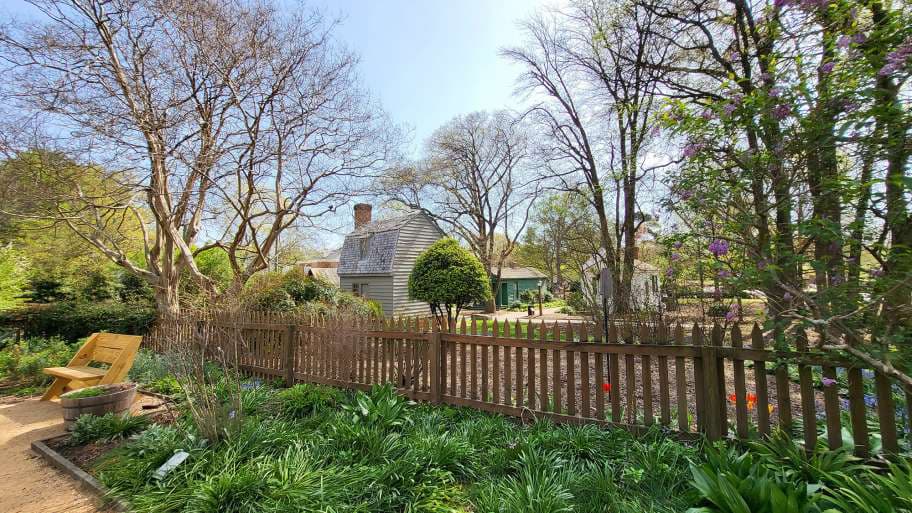
Mordecai Historic Park, tucked on Wake Forest Road near downtown Raleigh, stands as one of Wake County’s most visited and instructive historic sites. The park’s centerpiece, the Mordecai House—one of Raleigh’s oldest residences—along with restored gardens and an on-site visitor center, interprets local life from the early 1800s through the 20th century. Guided house tours, rotating exhibits, seasonal events and school programs make the site a hub for classroom learning, family outings and small community gatherings.
Beyond Mordecai, Wake County’s historic resources spread from rural to urban neighborhoods and offer a range of experiences. Historic Oak View County Park and Heritage Center near Wake Forest preserves agricultural structures and presents interpretive programming and family-friendly trails that tell the rural story of the county. Historic Yates Mill County Park in Raleigh features a reconstructed mill, a mill pond and walking trails paired with recurring nature and history programs for families and school groups. Downtown Raleigh hosts state archives and historic homes including the Joel Lane Museum House and the North Carolina Museum of History, which provide deeper context on state-level civic history. In southeast Raleigh, Oberlin Village sites connect residents to the freedmen’s community and ongoing neighborhood preservation efforts, with walking-history resources available through local preservation groups.
These sites matter beyond heritage tourism. Access to historic parks and green spaces supports mental and physical health by providing outdoor recreation and quiet gathering places, and school programs fill curricular gaps in local civics and social studies. Many sites are volunteer dependent and coordinated with the City of Raleigh Museum for special events, a model that boosts community engagement but also exposes vulnerabilities when public funding and volunteer capacity are limited. Transportation and accessibility remain practical equity concerns: parking is often on nearby streets, so visitors are encouraged to check hours, admission policies and transit or biking options before visiting.
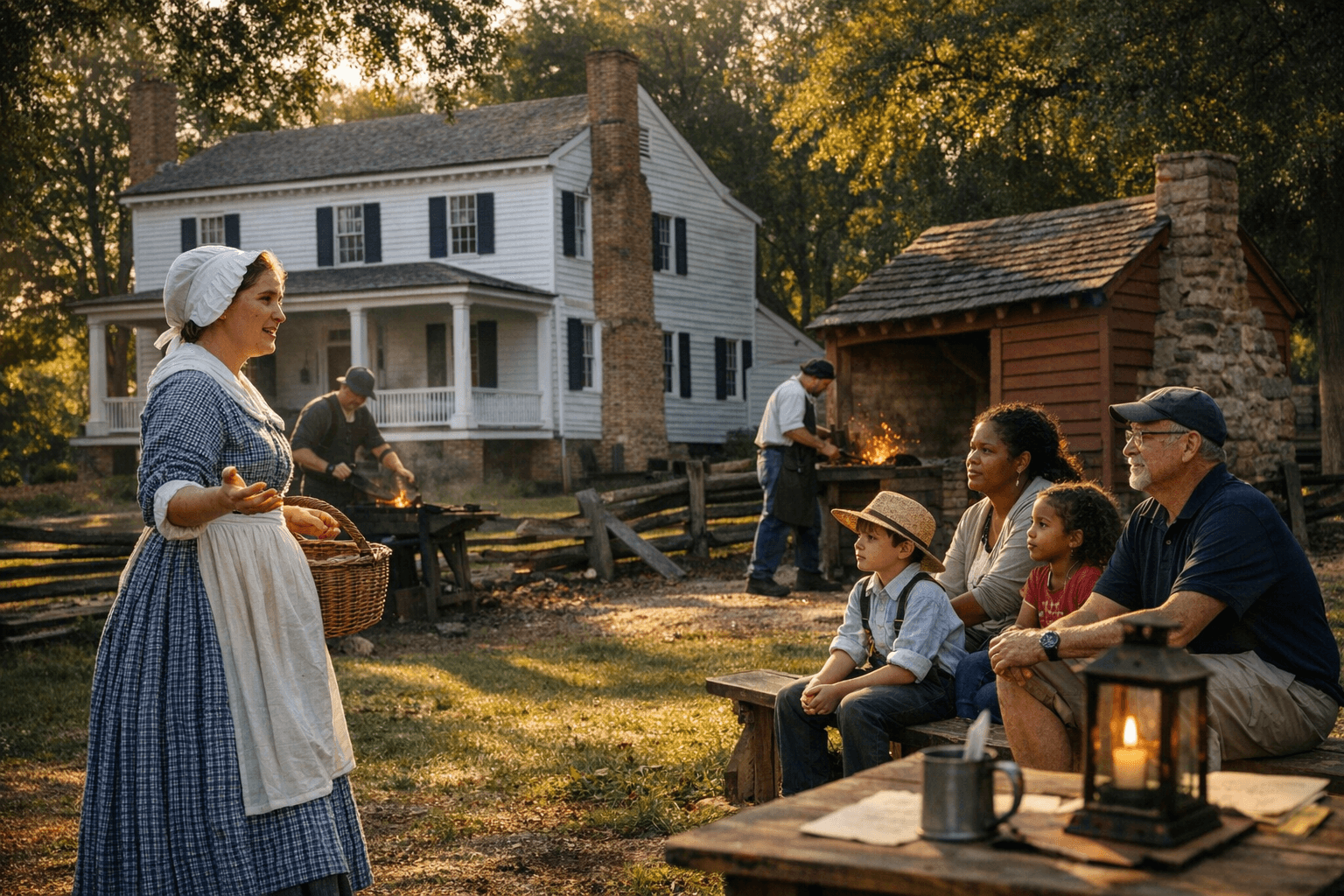
For Wake County policy makers and civic leaders, sustaining these assets means balancing preservation funding, inclusive programming and transit connections so that history is available to all neighborhoods. Encouraging volunteer docent programs and school partnerships can extend outreach while creating local stewardship.
Our two cents? Treat a visit like a neighborhood day trip: check each site’s official page for hours and admission, pair a tour with a nearby park or café, and consider signing up to volunteer. These places tell Wake County’s story, and supporting them keeps that story accessible to everyone.
Know something we missed? Have a correction or additional information?
Submit a Tip