More Parents Reject Newborn Vitamin K Shot, Hospitals See Dangerous Bleeding Cases
A routine shot that has protected newborns for decades was being refused more often, and doctors were treating babies with seizures, brain pressure and internal bleeding.
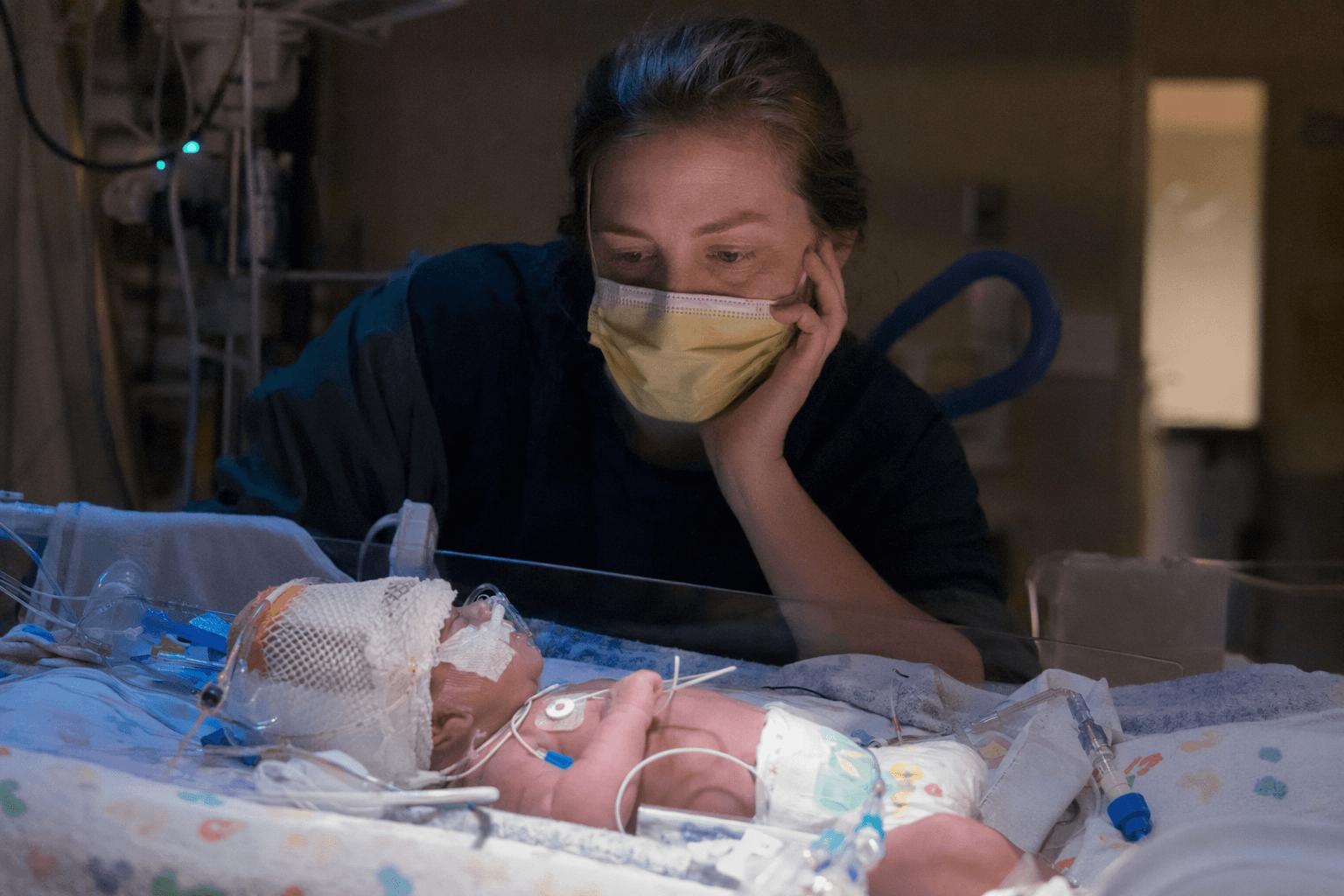
A basic injection given in the first hours of life was becoming a dangerous fault line in newborn care. As more parents refused vitamin K, hospitals were seeing babies who had seemed healthy suddenly return with seizures, breathing failure, vomiting and bleeding that could turn fatal in a matter of weeks.
The shot has been part of standard newborn care since the American Academy of Pediatrics first recommended it in 1961, and the Centers for Disease Control and Prevention says it has been routinely given at birth ever since. The academy still says intramuscular vitamin K remains the standard of care for preventing vitamin K deficiency bleeding, or VKDB, a condition that can cause bleeding anywhere inside or outside the body. Guidance from the academy says the shot should be given within six hours of birth.
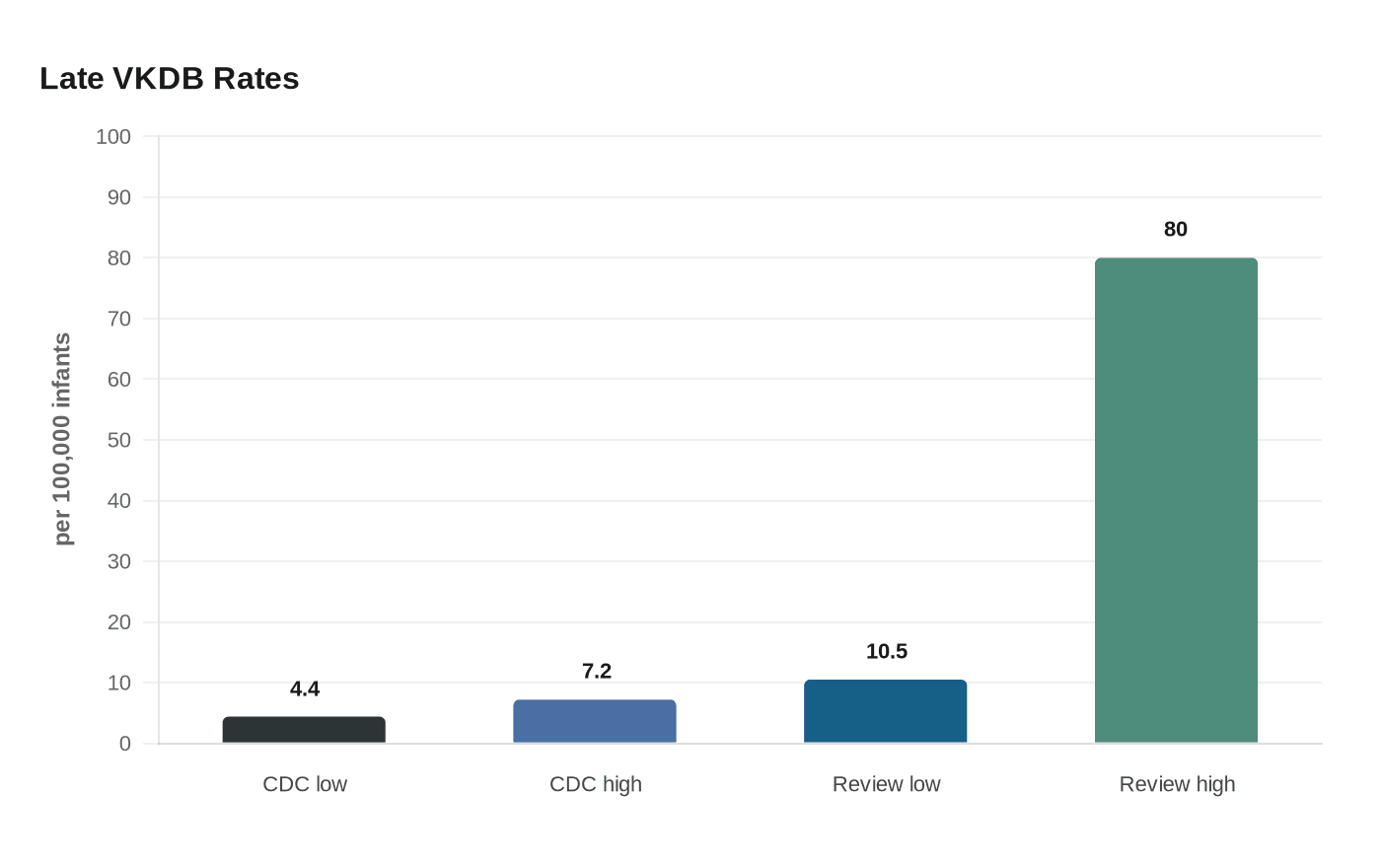
Doctors have long known the stakes. In a Tennessee cluster of late VKDB cases, four infants were healthy and developing normally before sudden bleeding appeared at ages 6 to 15 weeks. The CDC has estimated late VKDB occurs in 4.4 to 7.2 per 100,000 infants without prophylaxis, while an academy review put the range higher, at 10.5 to 80 per 100,000 births. The CDC has also said the relative risk of late VKDB is 81 times greater in infants who do not receive intramuscular vitamin K.
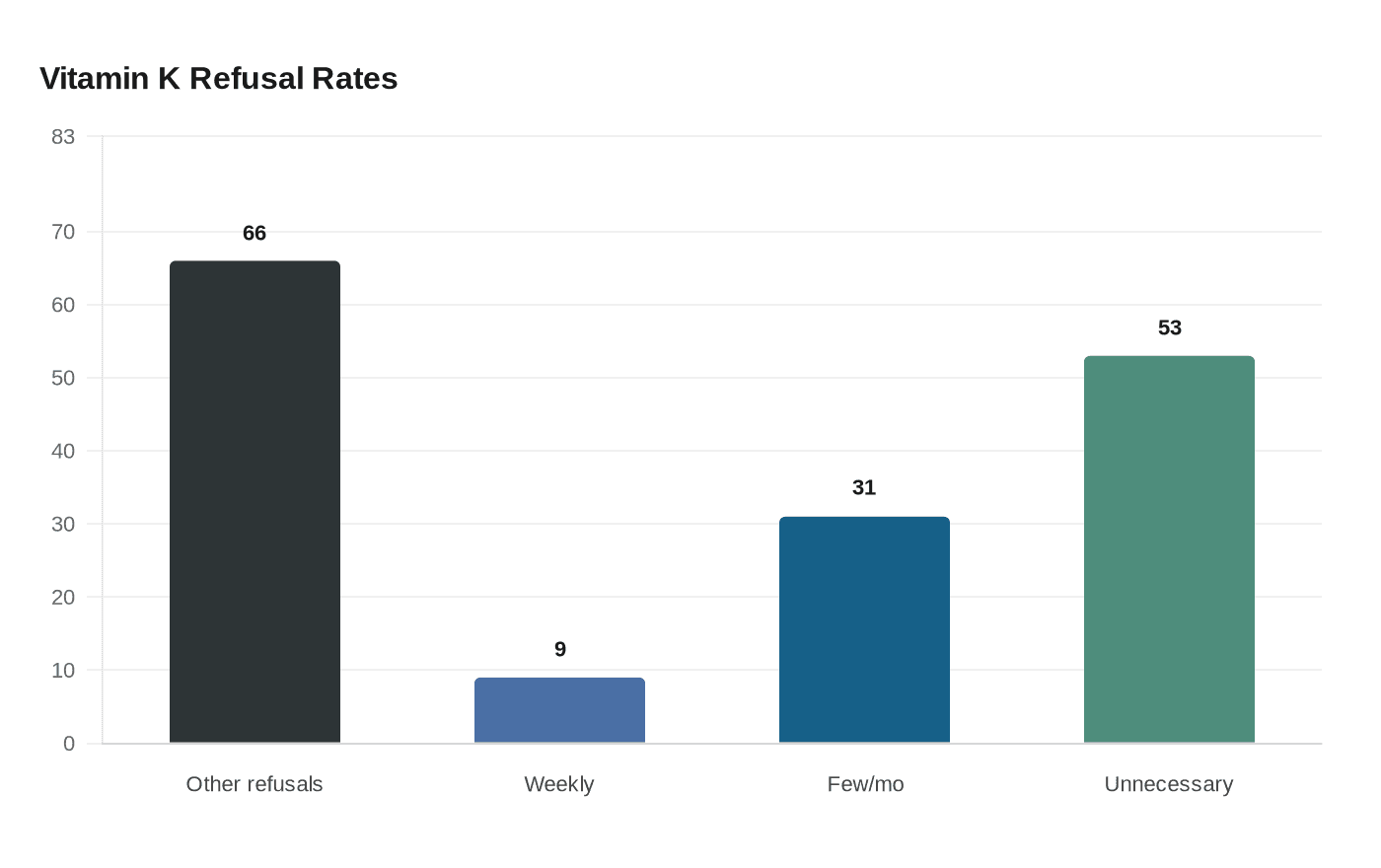
Refusals were increasingly showing up alongside rejection of other routine newborn protections. In one CDC-backed study, 66% of families who declined vitamin K also refused antibiotic eye ointment and the hepatitis B birth dose. A survey of newborn clinicians found refusal of vitamin K was reported weekly by 9% of respondents and a few times a month by 31%, with refusals more common in the West and South. The most common reason, cited by 53%, was the belief that the injection was unnecessary; fear of preservatives and a desire for a natural birth were also common.
The result was showing up in hospital units and emergency rooms. One 7-week-old boy in Maryland developed seizures. An 11-pound girl in Alabama stopped breathing repeatedly. A baby boy in Kentucky became lethargic after vomiting. A girl in Texas bled around her belly button before doctors tried to save her. In some cases, clinicians used airways, IVs, blood transfusions and even a needle placed directly into a baby’s skull to relieve brain pressure, yet those measures were not always enough.
The American Academy of Pediatrics made public education about vitamin K a public health priority in 2019. The CDC has warned that myths and misperceptions are driving refusals, and the growing number of preventable bleeding cases has turned a decades-old preventive measure into a life-or-death decision for newborns.
This article was produced by Prism’s automated news system from verified source data, official records, and press releases, then run through automated quality and moderation checks before publishing. The system is built and supervised by the people who set the standards it runs under. Read our full AI policy.
Did this article answer your question?