More than 40 hospitals pause transgender care for minors after federal threat
Hospitals halted surgeries and hormone treatments for youth after the administration moved to strip federal funding; families and states are racing to restore care.
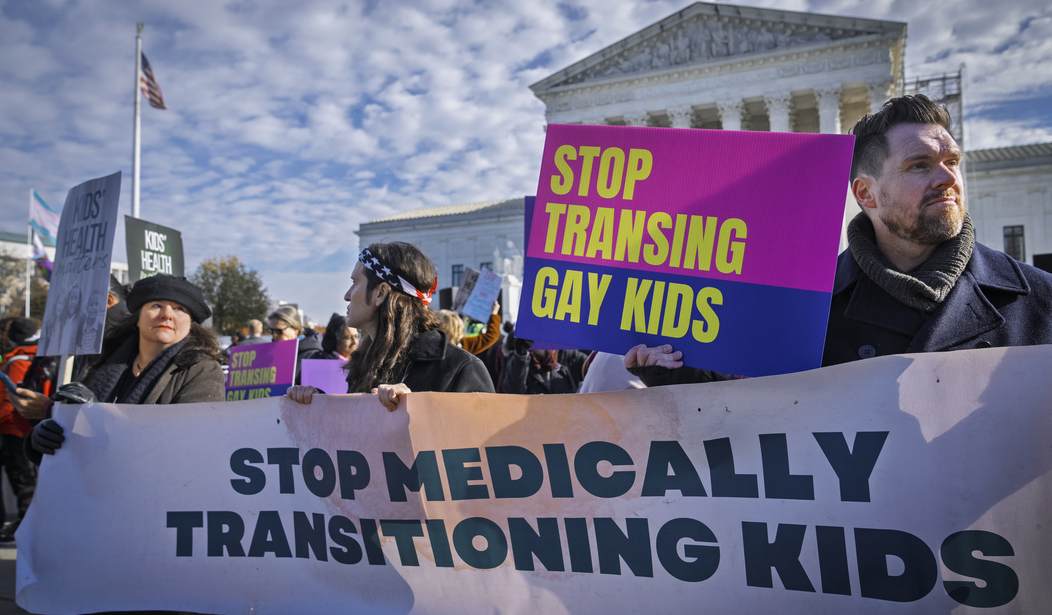
More than 40 hospitals across the country have paused or ended some forms of gender-affirming care for minors after the Trump administration signaled it would withhold federal funding from providers who treat transgender youth. The moves have led major centers to cancel appointments, stop new patient intakes and, in some cases, discontinue entire programs for minors.
NYU Langone Health in Manhattan announced it will discontinue its Transgender Youth Health Program, saying the decision followed the departure of its medical director and the “current regulatory environment.” A hospital spokesman, Steve Ritea, said, “given the recent departure of our medical director, coupled with the current regulatory environment, we made the difficult decision to discontinue our Transgender Youth Health Program.” The hospital said pediatric mental health services will continue. NYU had already stopped accepting new patients into the program about a year ago and canceled appointments for new patients who were scheduled to receive implants that release puberty-blocking medication.
In California, the largest children’s hospital system in the state is no longer offering gender-affirming hormone therapy to people under 19, citing escalating federal actions and a recent referral to the Department of Health and Human Services Office of Inspector General. Families report sudden disruption to treatment plans; one San Diego father, identified only as Brett, told reporters his child had been in deep depression before coming out and that the family saw improvement after beginning care.
The federal pressure stems from two related actions. Shortly after the president returned to office, an executive order titled “Protecting Children from Chemical and Surgical Mutilation” declared that the federal government would not “fund, sponsor, promote, assist, or support the so‑called ‘transition’ of a child from one sex to another.” In December 2025, the Department of Health and Human Services and the Centers for Medicare and Medicaid Services proposed rules intended to cut Medicare and Medicaid funding for hospitals that provide what the administration describes as “sex-rejecting procedures” for people under 18. HHS Secretary Robert F. Kennedy Jr. framed the effort as child protection: “Under my leadership, and answering President Trump’s call to action, the federal government will do everything in its power to stop unsafe, irreversible practices that put our children at risk,” he said. “This Administration will protect America’s most vulnerable. Our children deserve better, and we are delivering on that promise.”

The regulatory threat has immediate financial implications for hospitals. Medicaid and Medicare are major payers for pediatric and hospital services; a rule that ties funding to the provision of gender-care services creates a material revenue risk that hospital systems say they cannot absorb without clearer legal protections. Hospital administrators cite that uncertainty, along with staffing changes, in decisions to wind down programs rather than face potential penalties or audits.
State officials and advocates have pushed back. New York Attorney General Letitia James has directed NYU Langone to resume care, warning the network could violate state anti-discrimination laws, and a federal judge has issued a temporary restraining order blocking the administration’s directive from taking effect. Local lawmakers have urged hospitals to help families find alternative care: Hoylman-Sigal said, “It’s crucial that they find alternative care as soon as possible, and I think it’s the responsibility of the hospitals that are ending this treatment to make those arrangements.”
Clinicians and advocates warn the closures could deepen a patchwork of access across states and worsen mental-health strains for transgender youth. With federal rulemaking still pending and legal fights underway, hospitals face a choice between continuity of clinical practice and exposure to federal enforcement that could affect budgets and operations for years.
This article was produced by Prism’s automated news system from verified source data, official records, and press releases, then run through automated quality and moderation checks before publishing. The system is built and supervised by the people who set the standards it runs under. Read our full AI policy.
Did this article answer your question?