Moroccan migrants risk deadly crossing to Spain in search of work
Abdulah Buji raced north from Morocco saying, "I just want a chance," as a Ceuta crossing driven by joblessness and hunger left at least 57 dead.
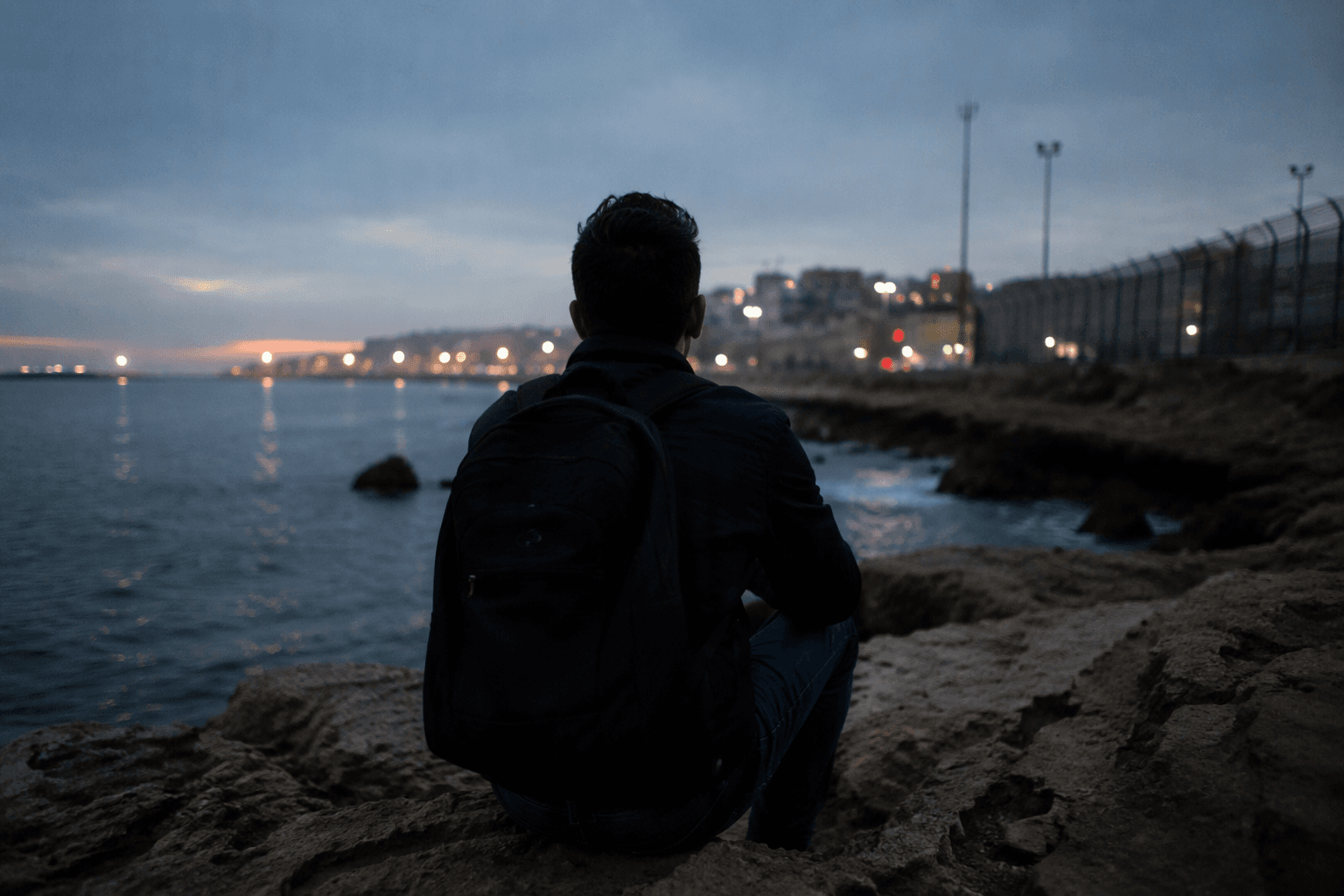
Abdulah Buji said, "I just want a chance," after racing by motorbike from northern Morocco into Ceuta as tens of thousands of mainly Moroccan migrants crossed into the Spanish enclave by land and sea. The rush left at least 57 people dead and exposed how unemployment, poverty and blocked mobility in Morocco pushed desperate people toward Spain.
Buji’s words captured the calculation behind the crossing. Many of the people who pushed into Ceuta said they were driven less by opportunism than by the absence of work, hunger and the hope of a better future. The enclave, a tiny Spanish territory on the North African coast, became the destination after social media rumors and economic hardship helped spread word that the border had been breached.
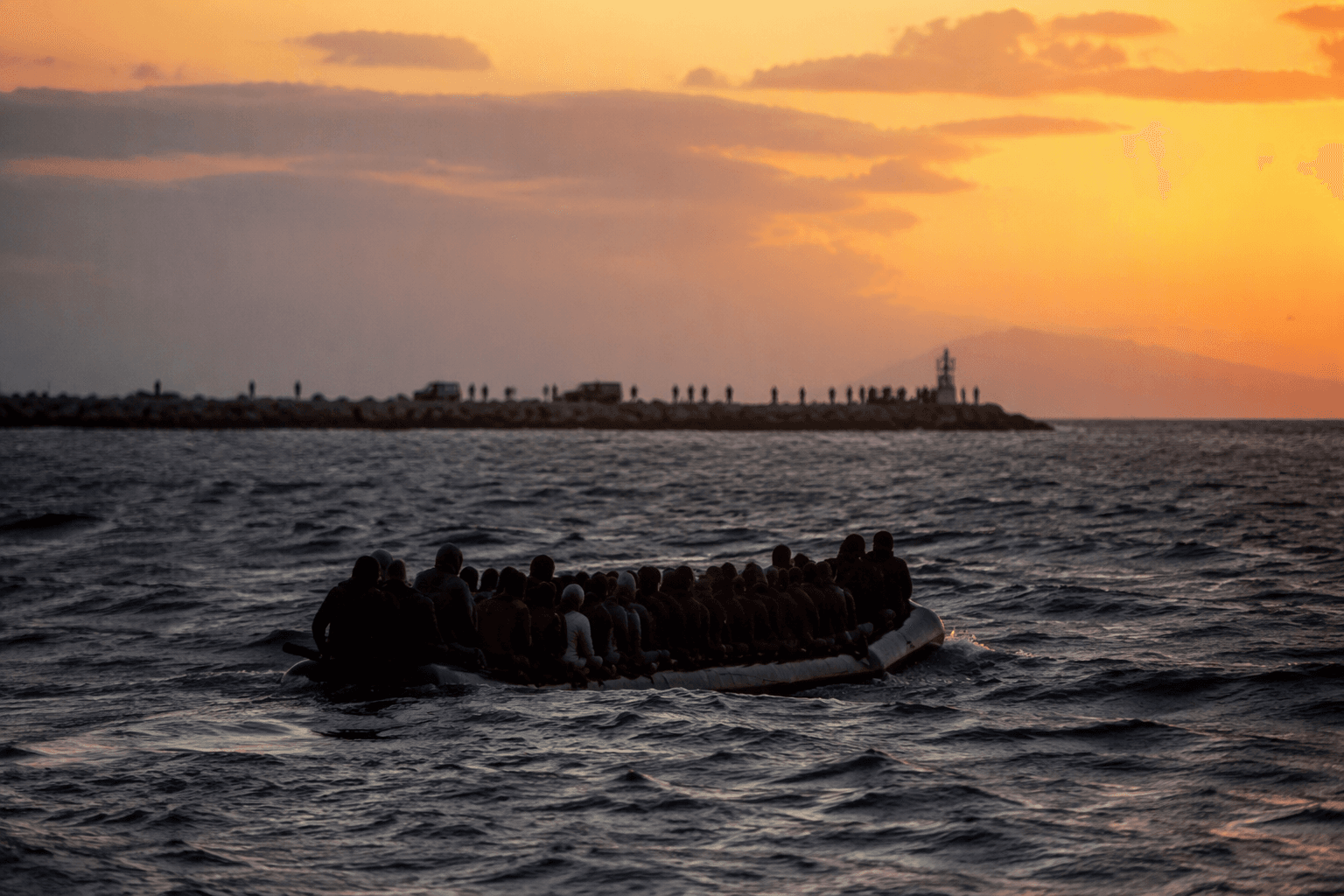
Spanish officials said most of the migrants had returned to Morocco by Aug. 1, after authorities moved to halt the surge. Bodies were recovered on the Spanish side of the border, underscoring how quickly a mass crossing turned deadly. Spain later installed a floating barrier in Ceuta after a calm night following the rush.
The crisis had been building before the mass crossing. Ceuta’s leader warned of an emergency on July 30 as 1,500 migrants arrived in one week, a sign of mounting pressure on the border. Spain and Morocco then tried to stop the flow as the military was called in and the crossing became one of the sharpest migration crises in years along the Spanish-Moroccan border.
The political response was immediate and unmistakably securitized. The European Union moved toward a hard-border stance, with 22 member states calling for stronger external borders after the Ceuta surge. That response matched the language of control, not labor, even as the people making the crossing described a search for work and survival.
Morocco’s unemployment and youth unemployment have long been central forces behind outward migration, and the Ceuta episode laid those pressures bare. The surge showed how quickly economic despair, rumor and geography can combine into a deadly border emergency, while governments on both sides moved first to contain it and only later to confront why so many people were willing to risk their lives to cross.
This article was produced by Prism’s automated news system from verified source data, official records, and press releases, then run through automated quality and moderation checks before publishing. The system is built and supervised by the people who set the standards it runs under. Read our full AI policy.
Did this article answer your question?