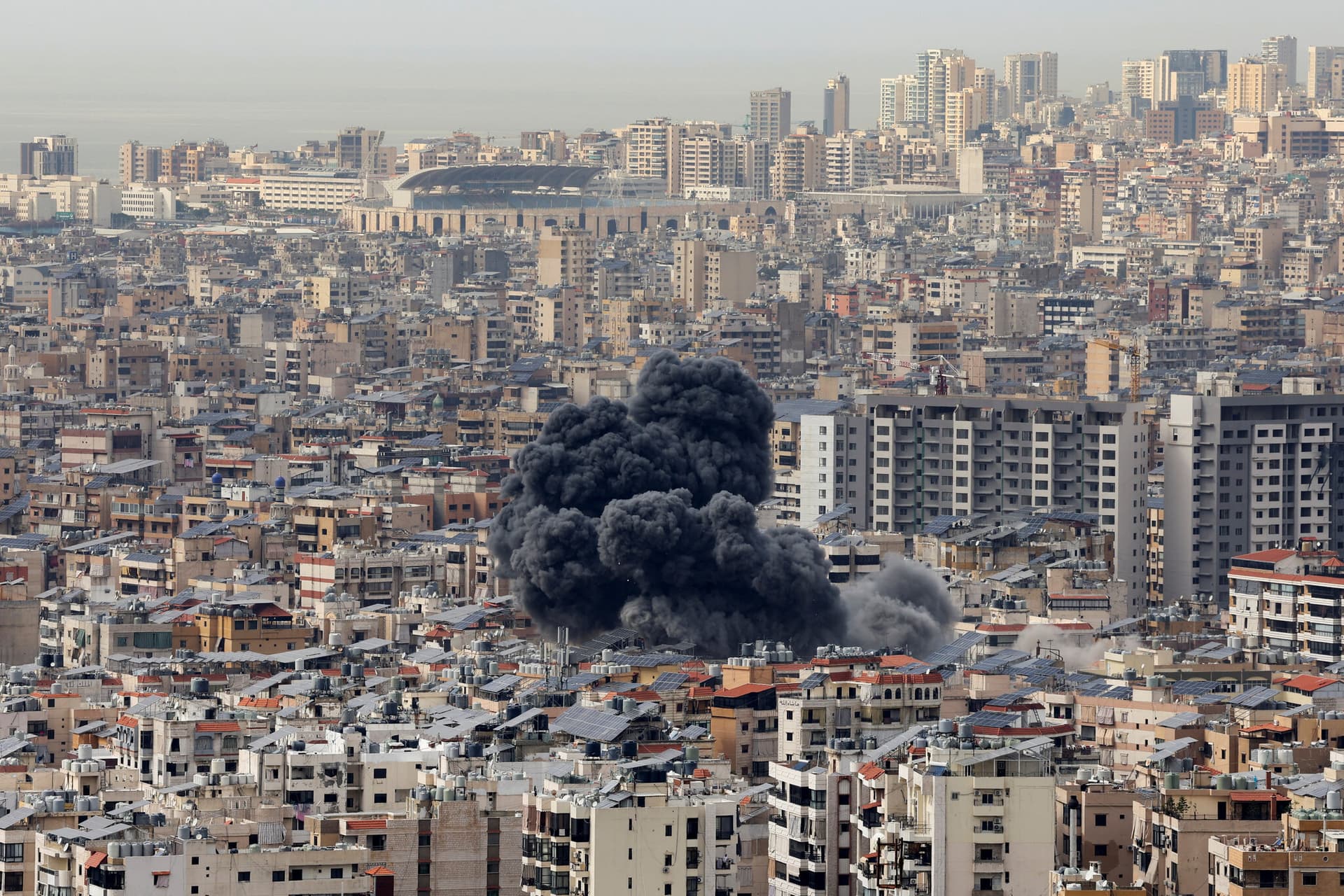
Moscow scales back Victory Day parade as Ukraine strike fears mount
Moscow’s Victory Day parade went ahead without military vehicles for the first time in nearly 20 years, a stark sign of war pressure and tighter Kremlin messaging.
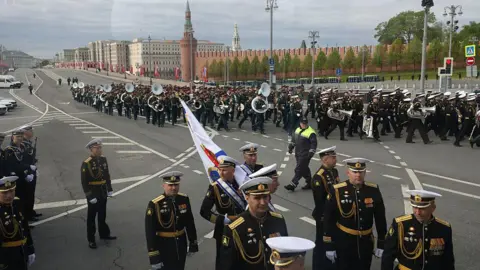
Red Square carried a different message this year: not spectacle, but restraint. Russia’s Victory Day parade in Moscow was held without military vehicles for the first time in nearly 20 years, after the Kremlin stripped out the equipment column and kept cadets from prestigious military academies off the route.
Russia’s Ministry of Defense said the change reflected the “current operational situation,” while Kremlin spokesman Dmitry Peskov said no military hardware would be used because of the “terrorist threat” from Ukraine. The parade took place under heightened security amid fears that Ukrainian drones could target Moscow during one of the country’s most visible state ceremonies.
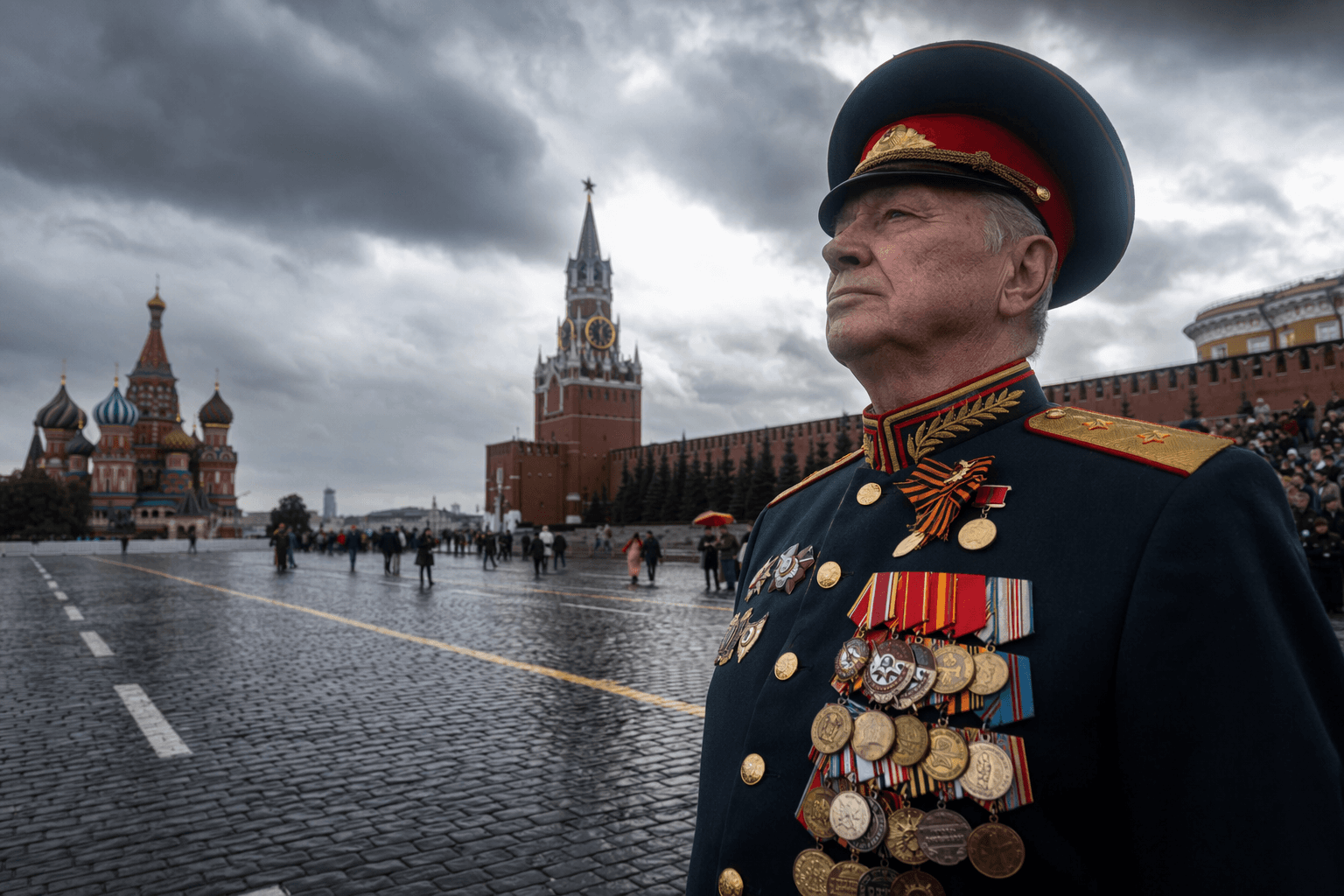
The cutback marked a sharp break from the Putin-era formula that has long used Victory Day to project military power at home and abroad. In 2025, the parade featured about 11,000 servicemen and almost 200 military vehicles, and nearly 30 world leaders attended, including Chinese President Xi Jinping and Brazilian President Luiz Inácio Lula da Silva. This year, the foreign guest list was far smaller, with only a limited number of leaders expected in Moscow, including Belarus’s Alexander Lukashenko, Laos President Thongloun Sisoulith, Malaysian King Sultan Ibrahim, and the Moscow-backed leaders of Abkhazia and South Ossetia.
The pared-down display came as the war in Ukraine continued to reshape the Kremlin’s public symbolism. Steve Rosenberg, the BBC’s Russia editor, reported from a Red Square notably absent of the hardware Moscow normally showcases to signal strength. The annual parade has taken on added significance as Russian forces continue their assault in Ukraine, and the visible reduction in military display suggested the state was calibrating its message for a wartime public.
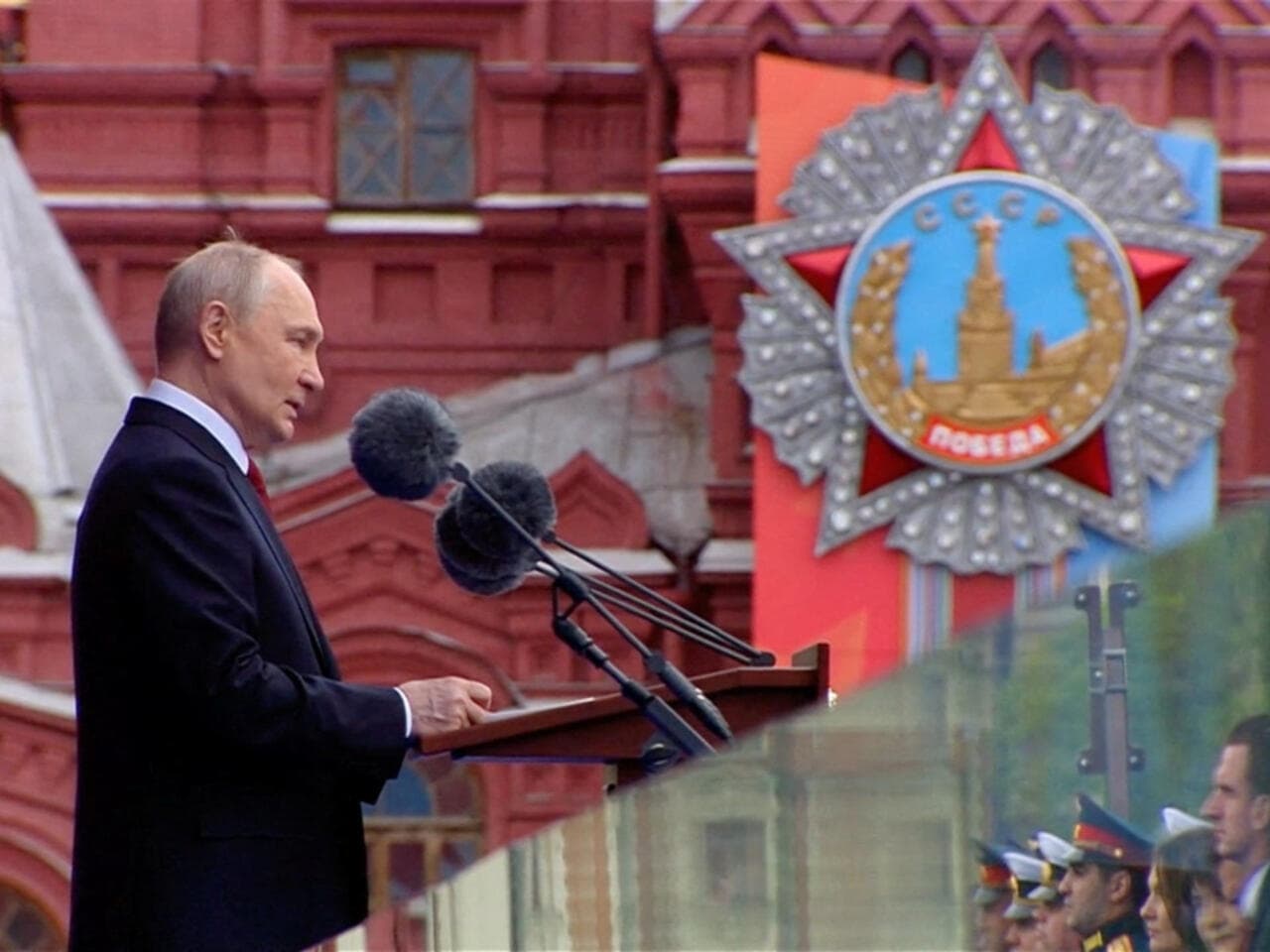
Analysts said the change could reflect more than caution over a possible strike on the capital. It may also have signaled battlefield pressure on Russia’s military in Ukraine, where the demands of the war are increasingly visible in domestic rituals once designed to emphasize abundance, confidence and control. Instead, Victory Day in Moscow projected a tighter, more guarded image: resilience under threat, sacrifice without triumphal excess, and a Kremlin managing scarcity as much as symbolism.
Officials also said celebrations were reduced or canceled in parts of Russia, including Nizhny Novgorod, Saratov, Chuvashia, Kaluga, Voronezh, Kursk, Bryansk, Belgorod and St. Petersburg, underscoring how the war has altered one of the country’s most important public holidays.
Know something we missed? Have a correction or additional information?
Submit a Tip