Mosquito Epidemic Kills 33, Infects One Third of Cuba
Cuban health authorities confirmed 33 deaths in recent months from mosquito borne illnesses as an epidemic sweeps an estimated one third of the population, with many victims under 18. The surge exposes deep public health strains, as shortages of fuel and basic resources limit mosquito control and waste removal in dense urban areas.
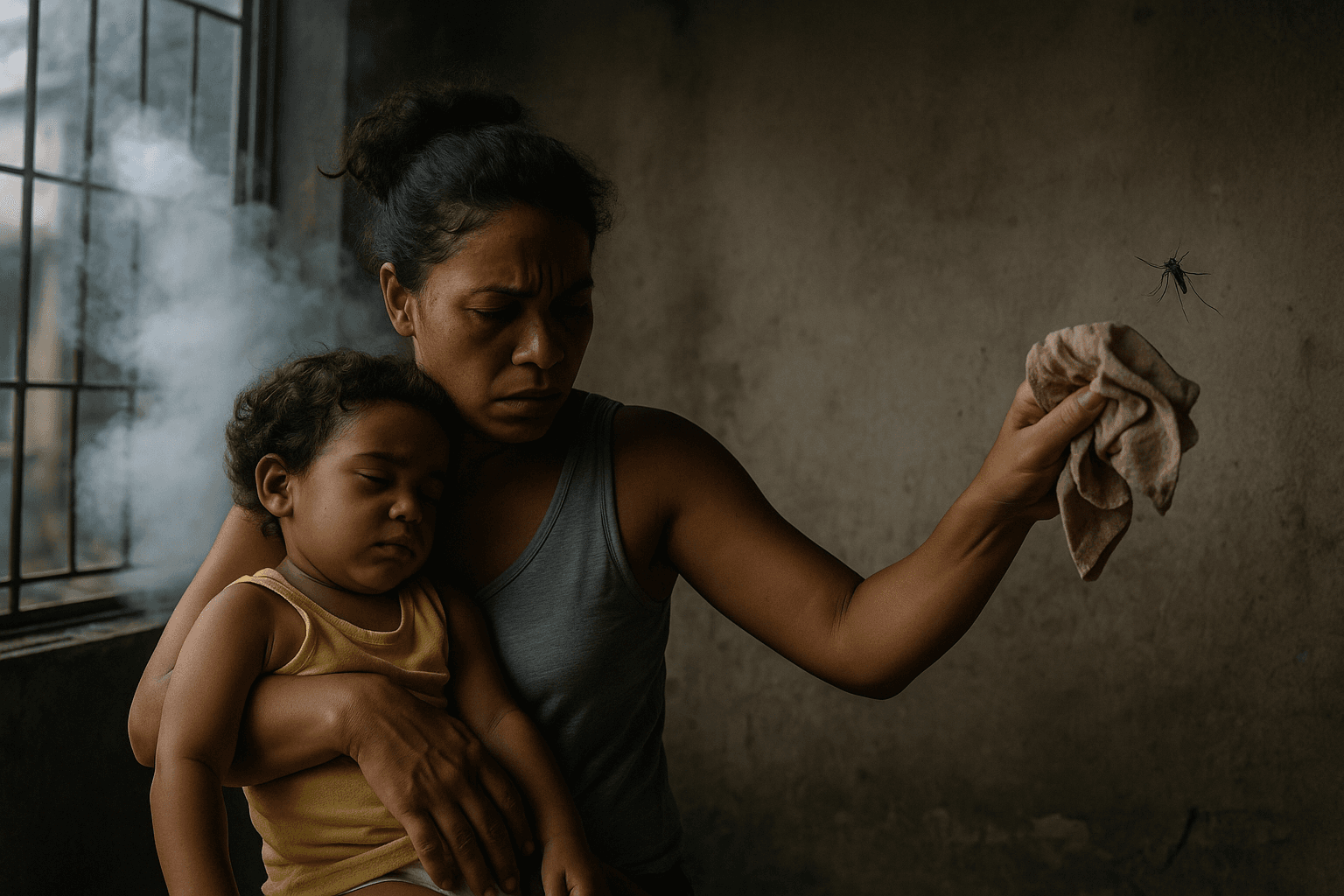
On December 1 Cuban health authorities confirmed that 33 people have died in recent months from mosquito borne illnesses amid an epidemic that public health officials estimate has affected roughly one third of the population. Officials reported fatalities from both dengue and chikungunya, and said many of those who died were younger than 18, underscoring the outbreak's disproportionate toll on children and adolescents.
The outbreak has hit large urban centres hardest, with Havana and Santiago named among the cities where transmission has surged. Reuters reporting described systemic response challenges, including shortages of fuel and basic supplies that have curtailed fumigation efforts and limited the capacity for regular waste collection. Public health experts and community leaders say those municipal services are critical to controlling Aedes aegypti mosquitoes, which breed in standing water close to homes and thrive in dense neighborhoods.
Clinically, the two viruses present different but overlapping dangers. Dengue can progress to severe illness with high fever and complications that require intensive care, while chikungunya is known for causing acute fever and joint pain and can lead to prolonged, debilitating joint symptoms that persist for months or longer. The World Health Organization has warned for months about the risk of widespread chikungunya outbreaks in the region, a caution that has taken on sharper urgency as Cuba confronts a dual viral wave.
The epidemic has placed a significant strain on Cuba's healthcare system already contending with longstanding resource shortages. Hospitals and clinics have seen surges in cases, particularly among children, stretching pediatric wards and outpatient services. The limited ability to perform routine vector control operations has amplified transmission, creating a feedback loop where rising caseloads further stress the health system and municipal services.
Beyond immediate clinical needs, the outbreak raises questions about social equity and the uneven burden of infectious disease. Communities with poorer housing, limited sanitation, and irregular waste collection are at heightened risk. For families of children who suffer prolonged joint damage from chikungunya, the consequences can include lost school time, caregiving burdens, and longer term economic impact in households already facing hardship.
Public health specialists say the response requires both immediate and structural actions. Immediate needs include restoring consistent fumigation and waste removal, ensuring fuel and supplies for field teams, and bolstering clinical capacity to manage severe dengue and long term chikungunya sequelae. Structural solutions involve investment in sanitation, housing, and resilient municipal services that reduce breeding sites and protect vulnerable populations.
The epidemic also underscores the limits of a health system operating under broader economic constraints. Policymakers and international observers face a complex choice between emergency assistance to curb the current surge and longer term support to fortify public health infrastructure. For families in affected neighborhoods, the urgency is simple and stark: reducing mosquito exposure now will determine whether the next months bring recovery or further loss.
This article was produced by Prism’s automated news system from verified source data, official records, and press releases, then run through automated quality and moderation checks before publishing. The system is built and supervised by the people who set the standards it runs under. Read our full AI policy.
Did this article answer your question?