Most Potomac Advisories Lifted in Prince George's County, Some Unsafe After Spill
Maryland lifts Potomac advisories for Charles and Prince George’s counties, allowing boating and fishing to resume, while Montgomery County and some Virginia stretches remain closed after a Jan. 19 sewer collapse.
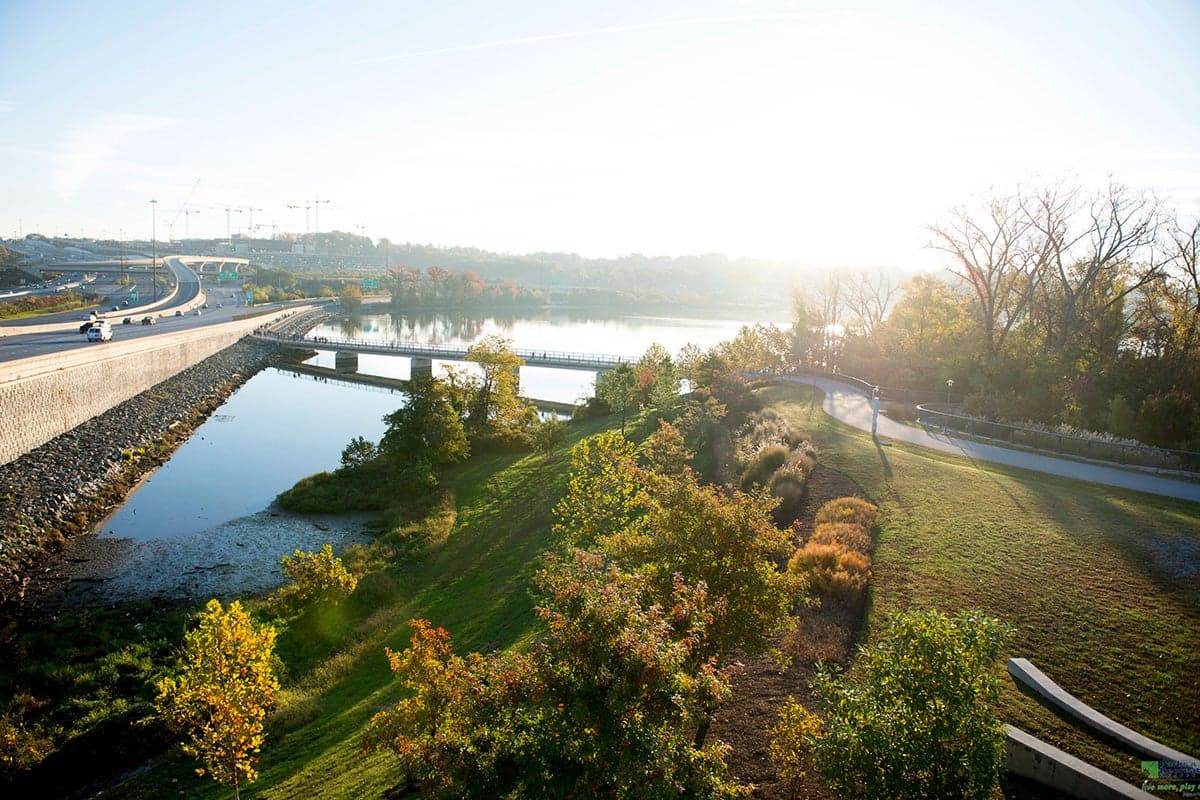
Maryland health officials announced that recreational water advisories for portions of the Potomac River in Charles and Prince George’s counties have been lifted, effective immediately, after Maryland Department of the Environment samples showed bacteria at levels acceptable for recreation, the Charles County health release said March 5. With the lifts, boating and fishing are now allowed to resume in those Maryland areas, officials said.
The Montgomery County advisory, issued January 29, remains in effect. Health officials say water testing there continues to show elevated bacteria levels, which is expected because the spill occurred on federal land in that county. Montgomery County’s advisory traces to the Jan. 19 collapse of a 6-foot-wide section of DC Water’s Potomac Interceptor pipeline near the Clara Barton Parkway in Glen Echo, a failure public reporting tied to a massive discharge of sewage into the river.
Virginia health authorities have partially lifted their advisory: the Virginia Department of Health now considers the stretch between the Route 120 Chain Bridge and the Gov. Harry W. Nice Memorial Bridge (U.S. Route 301) safe for recreation while maintaining an advisory upstream from the American Legion Memorial Bridge to the Chain Bridge. WTOP and DC News Now report the upstream advisory covers a roughly 4.7-mile portion of the river; VDH sampling on Feb. 17, 25, 26 and 27 returned bacteria concentrations considered acceptable for recreation in the Virginia-tested areas.
Media reports and sources differ on the spill volume: the Washington Times reported the Jan. 19 rupture sent 200 million gallons of wastewater into the Potomac, while WTOP and other outlets described the release as “hundreds of millions of gallons.” DC Water established a command center to manage the response, and cleanup crews began work along the C&O Canal, though early efforts were slowed by rain.

Health officials continue to urge caution for vulnerable people and pets. “Swimming or other activities in anynatural body of water always pose some level of risk because the water is not disinfected. Children five years and younger, older adults, and those with weakened immune systems are at higher risk of contracting illness from natural bodies of water. To prevent recreational water illnesses due to exposure to sewage spill events, people should: Avoid contact with the water or shoreline of an impacted area; Avoid consumption of any food or water from an impacted area; Keep pets away from an impacted area Avoid flushing wipes or grease down any pipes; and Wash [your] hands and skin [if] they come into contact with an impacted area.” Officials additionally emphasized VDH guidance that “VDH is advising people and pets to avoid recreational water activities in this area, including swimming, wading, tubing, white‑water canoeing or kayaking.”
State agencies have repeatedly reassured the public that “Public drinking water has not been impacted by the spill.” Maryland Department of the Environment monitoring also shows no evidence that shellfish harvesting waters have been affected, and a small precautionary shellfish closure in Maryland is expected to be lifted March 10 pending final confirmation testing. Officials said there is no evidence that fish or shellfish populations were harmed by the spill.
MDE continues to lead sampling and abatement updates for the Potomac Interceptor response; the Charles County health release cited MDE sample results as the basis for the Maryland lifts. For media inquiries, Maryland Department of Health listed Amanda Hils, Assistant Director for Media Relations, at MDH.Press@maryland.gov. Monitoring and testing will determine whether the remaining advisories in Montgomery County and upstream Virginia stretches are eased.
Know something we missed? Have a correction or additional information?
Submit a Tip