Mounting Evidence Links Tattoo Ink to Immune Changes and Cancer Risk
National Geographic's mid‑Feb 2026 feature links tattoo pigments to persistent immune changes and cancer questions; a December 2025 JNCI paper reported a 74 percent lower melanoma risk for people with three or more large tattoos.

National Geographic published a long‑form synthesis in mid‑February 2026 examining how tattoo pigments may produce persistent immune changes and raising questions about longer‑term cancer risk, a development that has amplified public interest in ink safety. The piece is headlined “What to know about the link between tattoo ink and cancer risk” and frames the issue as a growing, unsettled scientific conversation.
The National Geographic page asserts plainly that “Mounting evidence suggests tattoos are linked to elevated cancer risk,” while also quoting a December 2025 study in the Journal of the National Cancer Institute that found “people with three or more large tattoos had a 74 percent lower risk of melanoma, the most serious form of skin cancer, than those who were tattoo‑free.” Those two lines sit side by side on the page as explicit contradictions the magazine highlights; National Geographic also warns readers that “These studies are far from conclusive. While they have found correlations between tattoos and an increased risk of cancer, they haven’t proven causation.”
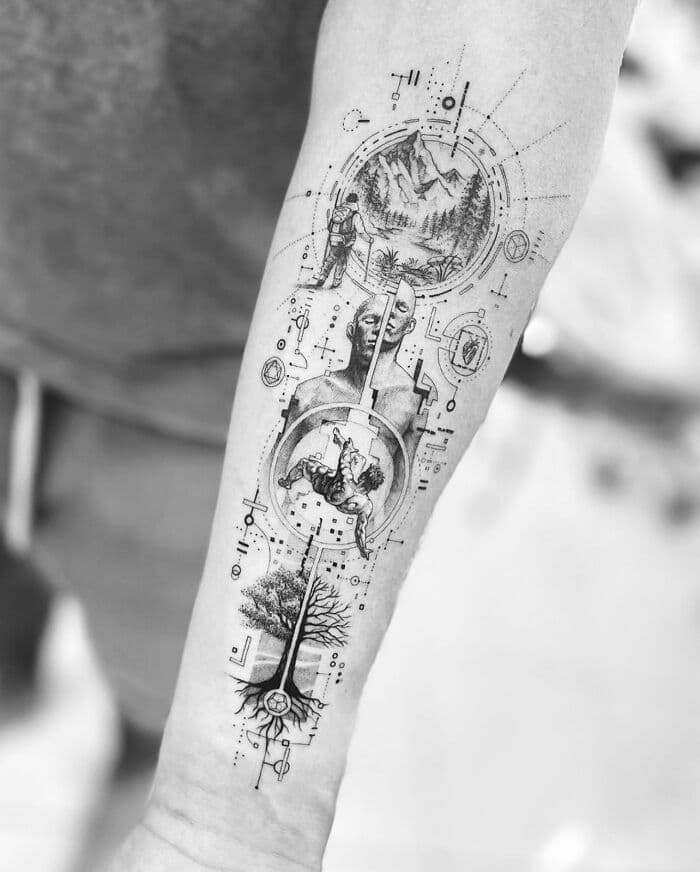
National Geographic describes the reporting as synthesising “a growing body of scientific work that connects tattoo pigments with persistent immune changes and raises questions about longer‑term cancer risk,” and it characterises recent years as producing “a steady drumbeat of scientific studies linking tattoo ink to an elevated cancer risk—findings that might give you pause if you’re thinking about getting one.” The page pairs that text with an illustrative image of a fresh upper‑arm tattoo: “A person in a t‑shirt displays a new owl tattoo on their upper arm. The owl is detailed and perched on a branch, while skin around the tattoo is irritated and red.” That visual underlines the magazine’s contrast between immediate local reactions and the uncertain systemic effects flagged by researchers.

The December 2025 Journal of the National Cancer Institute finding is the single specific peer‑review citation named on the National Geographic page; beyond that, the page refers broadly to multiple studies without full citations in the captured text. National Geographic’s presentation highlights the need to see full methods and adjustments behind any headline statistic—especially one that runs counter to the “mounting evidence” narrative.
National Geographic’s coverage carries visible copyright lines through 2026 and sits among adjacent health headlines on the site, underlining the outlet’s broader focus on cancer and chronic‑disease reporting (including a parenthetical reference to “(The curious link between Alzheimer’s disease and cancer.)”). For geometric tattooists and canvas‑wearers alike, the picture remains unsettled: correlation appears in several studies, specific results can point in opposite directions, and the explicit caveat on the page is stark — the research “haven’t proven causation.” Resolving those contradictions will depend on the detailed methods and replications behind the studies National Geographic synthesised and on scrutiny of the December 2025 JNCI analysis.
Know something we missed? Have a correction or additional information?
Submit a Tip