MSF fires 18 staff over alleged abuse of Sudanese refugees in Chad
MSF dismissed 18 staff after probes into 59 abuse allegations involving Sudanese refugees in eastern Chad, including claims that food aid and jobs were traded for sex.
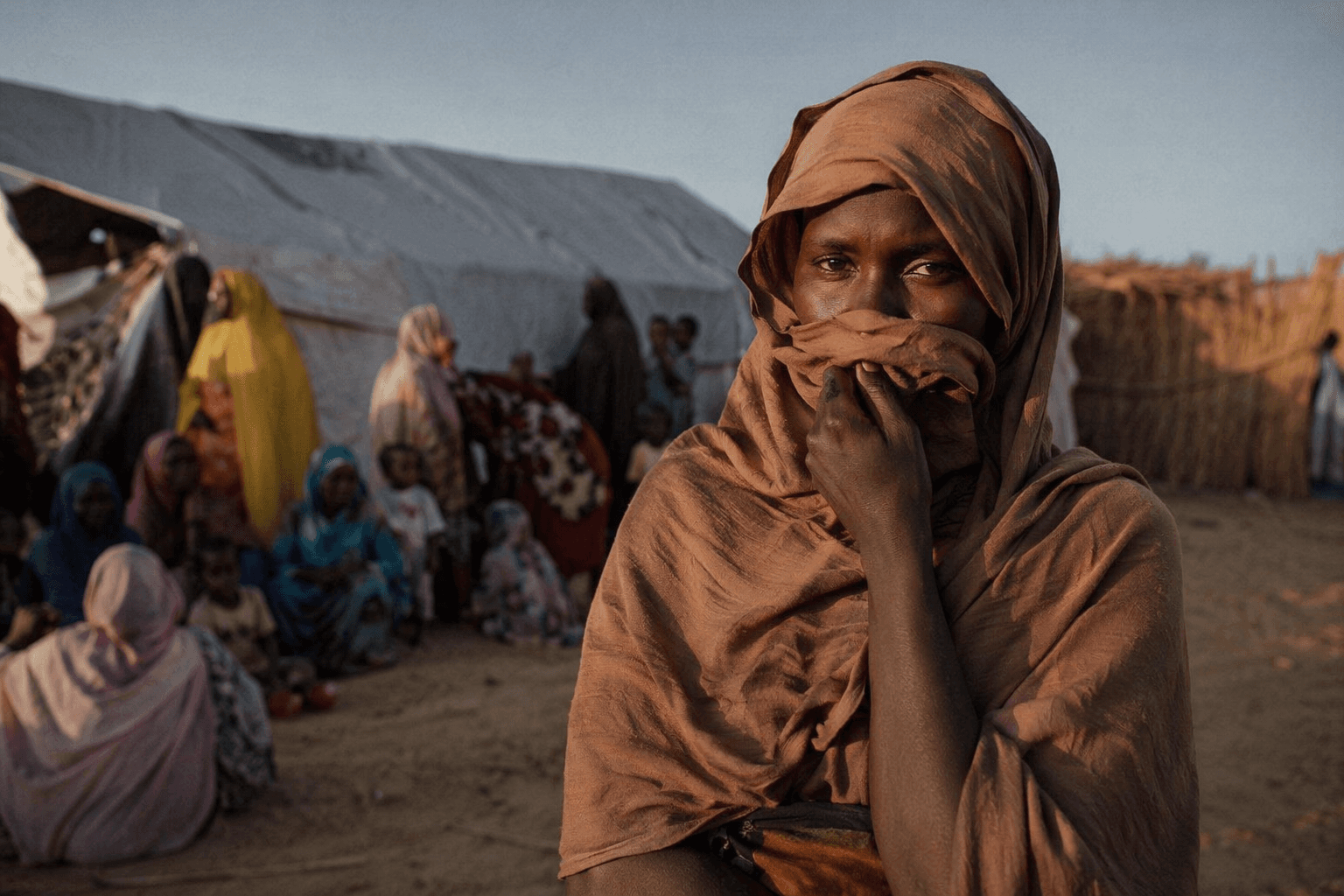
Doctors Without Borders, known as MSF, fired 18 staff members after an internal investigation found serious misconduct tied to allegations that aid workers sexually abused Sudanese refugees in eastern Chad. The organization said the workers were barred from future employment with MSF after the review, which was completed in July 2025.
The probe began in 2024 after Sudanese refugees raised allegations of sexual exploitation and abuse. MSF said investigators examined 59 allegations in all, with some claims corroborated and others left unverified because investigators could not identify every victim or perpetrator. The allegations were especially grave: reporting linked to the case said aid, jobs, food and water were allegedly traded for sex, and that some alleged victims were underage girls.
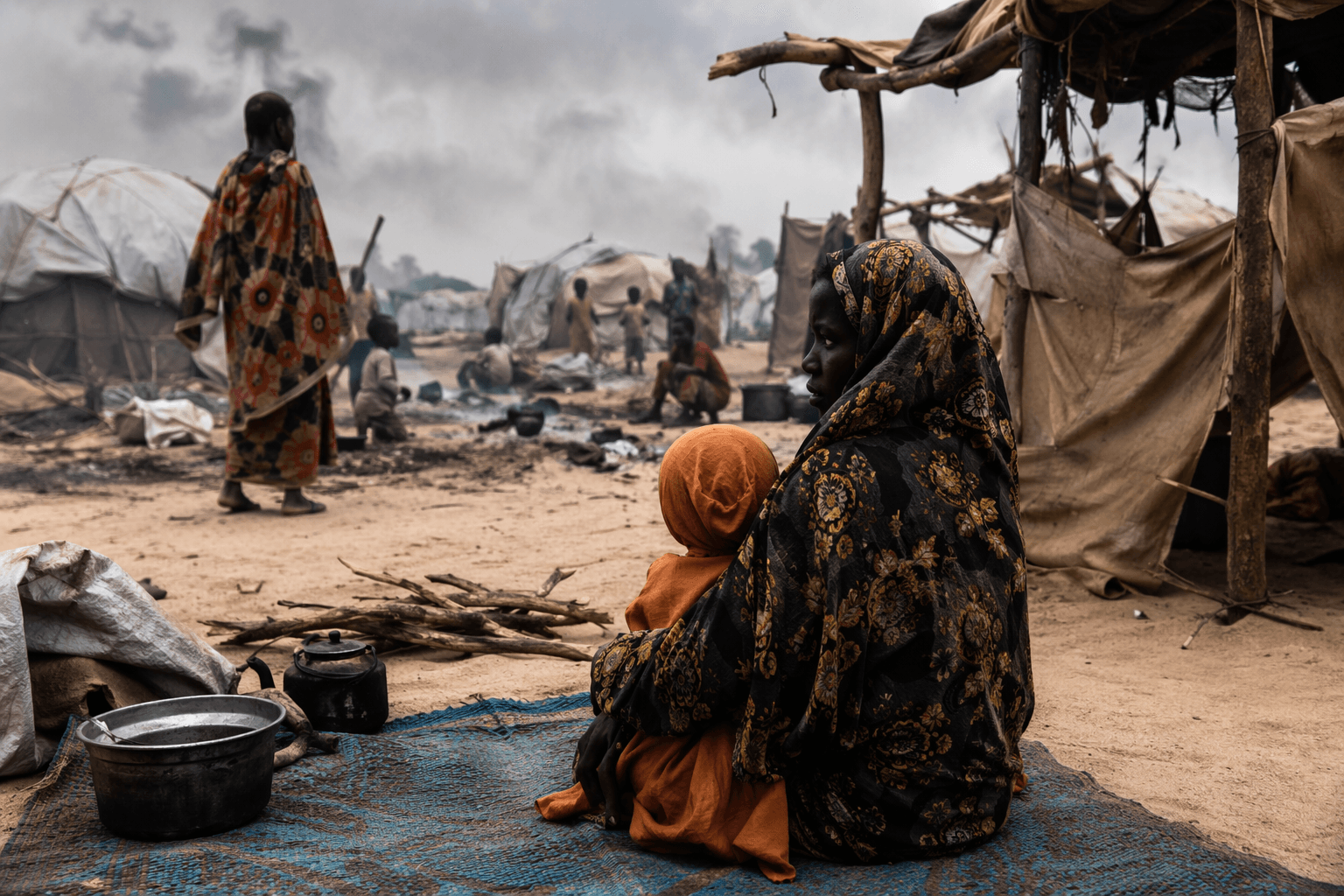
The scandal lands in one of Africa’s most stressed humanitarian corridors. Since Sudan’s war erupted in April 2023 between the Sudanese Armed Forces and the Rapid Support Forces, more than 844,000 Sudanese have crossed into Chad, and the refugee population there had risen to more than 1.2 million by June 2025. UNHCR said 68,556 refugees arrived in Chad’s Wadi Fira and Ennedi Est provinces in just over a month during the 2025 influx, underscoring the pressure on camps, borders and aid sites in eastern Chad, including the area around Adre.
By the end of May 2026, Chad was hosting about 2.25 million forcibly displaced people, including roughly 1.54 million refugees and asylum seekers. In that setting, the gap between aid workers and people dependent on them can become extreme, and the risk of exploitation rises when oversight is weak and complaints are hard to make safely.
MSF said it had already put more training and anti-abuse resources into Chad, but those steps did not have a lasting impact. The case now points to a wider institutional test for the aid sector: whether emergency groups can actually police their own staff in places where refugees have little leverage and survivors may fear losing food, shelter or medical access if they speak up. MSF’s own accountability materials say 59 staff were dismissed in 2024 across the organization in SEAH-related cases, showing that the Chad case fits a broader pattern of enforcement failures, not a one-off breach.
This article was produced by Prism’s automated news system from verified source data, official records, and press releases, then run through automated quality and moderation checks before publishing. The system is built and supervised by the people who set the standards it runs under. Read our full AI policy.
Know something we missed? Have a correction or additional information?
Submit a Tip