Muckleshoot tribe expands salmon restoration to protect treaty fishing rights
The Muckleshoot are treating salmon restoration as treaty defense, releasing millions of chum fry to protect fishing rights, culture and food security.
For the Muckleshoot Indian Tribe, salmon is not a symbol to admire from a distance. It is a treaty right, a source of food and income, and a living link to Duwamish and Upper Puyallup ancestors who have inhabited Central Puget Sound for thousands of years.
The tribe says it uniquely holds rights under both the Treaty of Point Elliott and the Treaty of Medicine Creek, and that its preservation work is aimed at protecting spiritual, cultural and traditional resources for past, present and future generations. Its reservation was established by executive orders in 1857 and 1874, under the authority of those treaties.
That legal history still shapes present-day restoration. On Feb. 12, 1974, Judge George Boldt affirmed treaty tribes’ rights to up to half of the harvestable catch of salmon and steelhead and recognized tribes as co-managers of Washington fisheries. For Muckleshoot member Phil Hamilton, that history is personal. He has described salmon fishing as a birthright and recalled the early-1970s fish wars, when Native fishers fought to defend rights guaranteed in century-old treaties.
The tribe’s fisheries division says its job is to protect and enhance fisheries resources, habitat and access for tribal members and future generations. That work now includes large-scale hatchery and habitat efforts designed to keep salmon runs strong enough to sustain harvest.
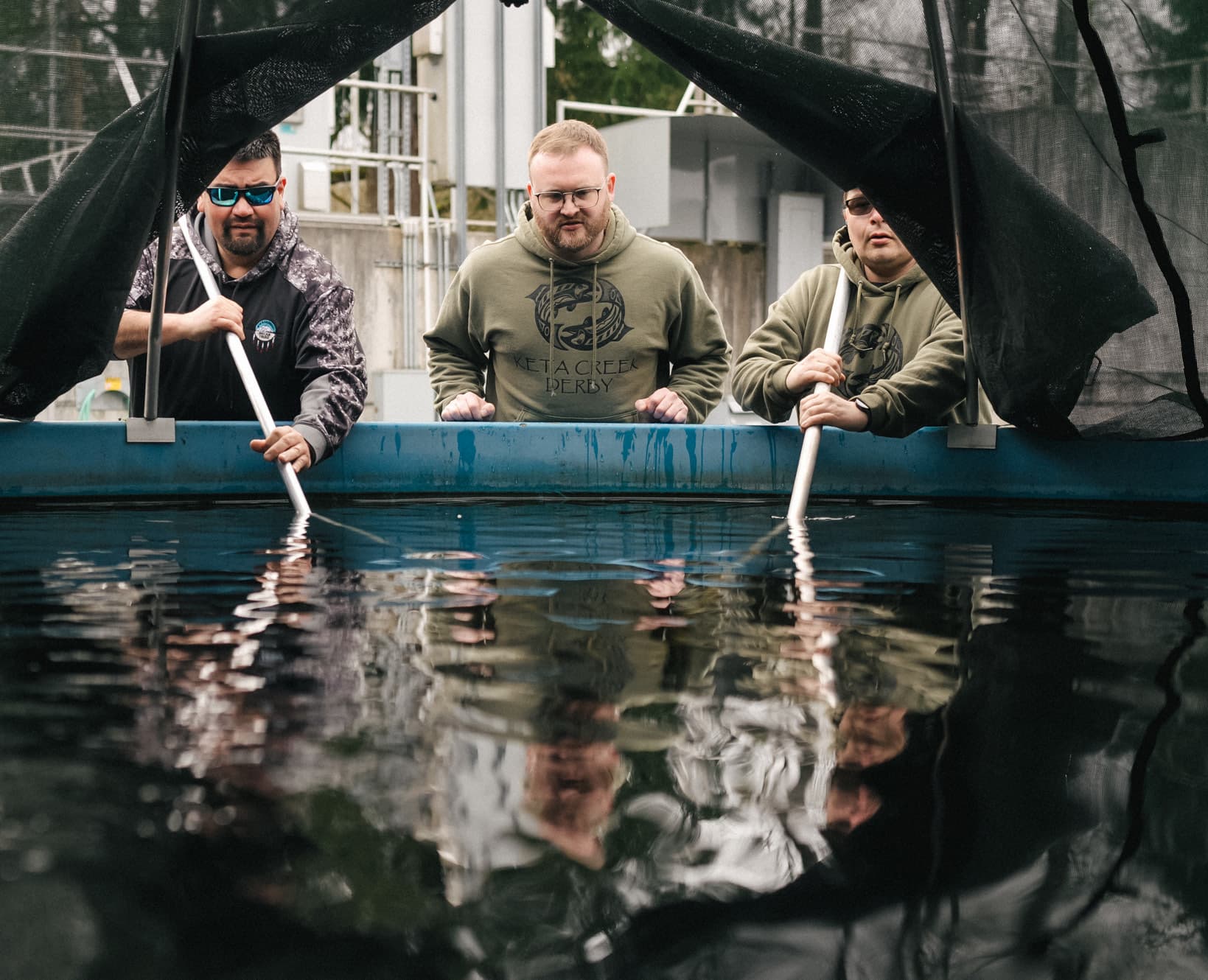
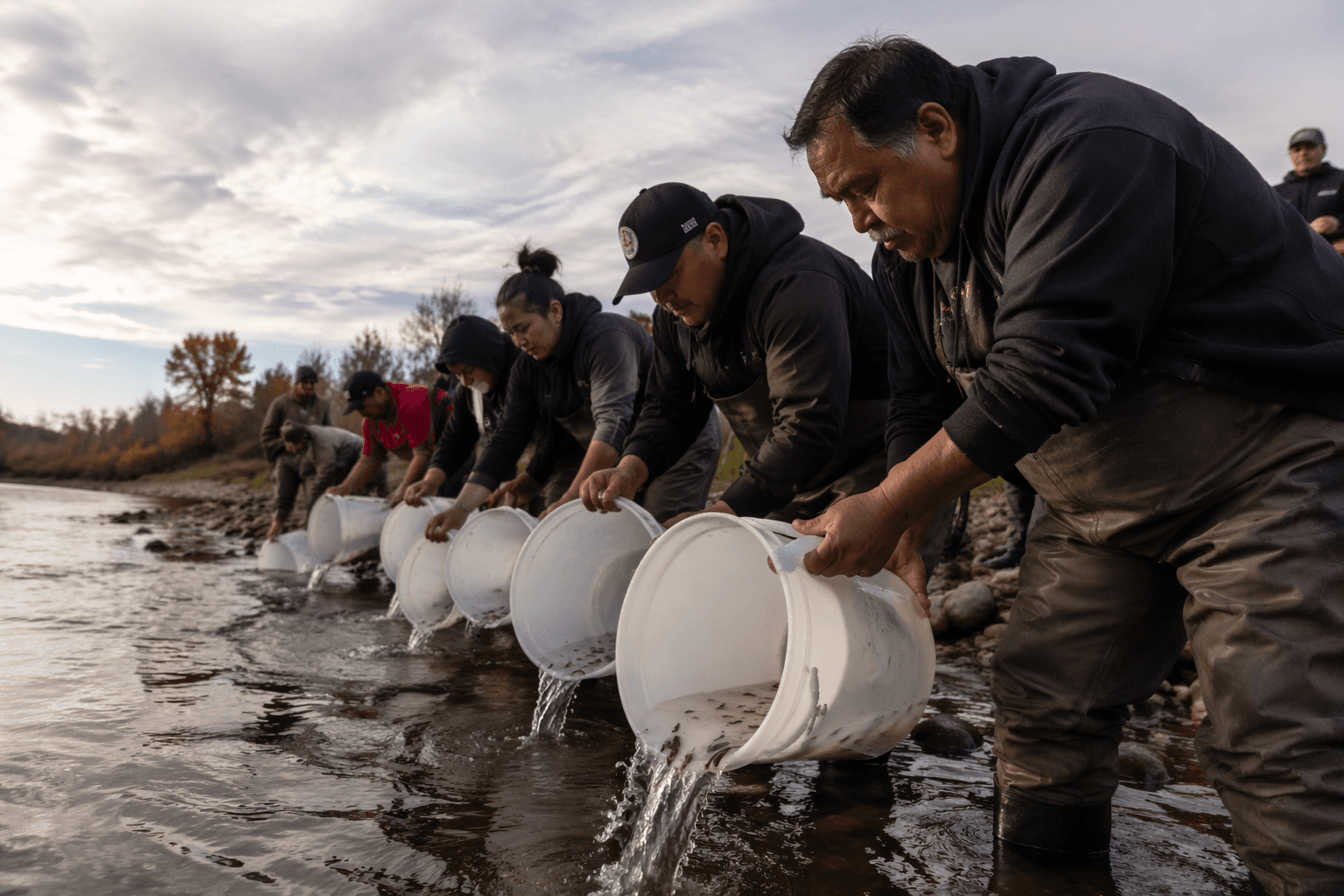
At Keta Creek Hatchery, the tribe released 1.5 million chum salmon fry in a single outing, part of a season that raised about 5.3 million chum fry. The fish were expected to travel more than 27 river miles to the mouth of the Duwamish River in less than 30 hours, part of a carefully managed effort to rebuild a run that carries both ecological and cultural weight.
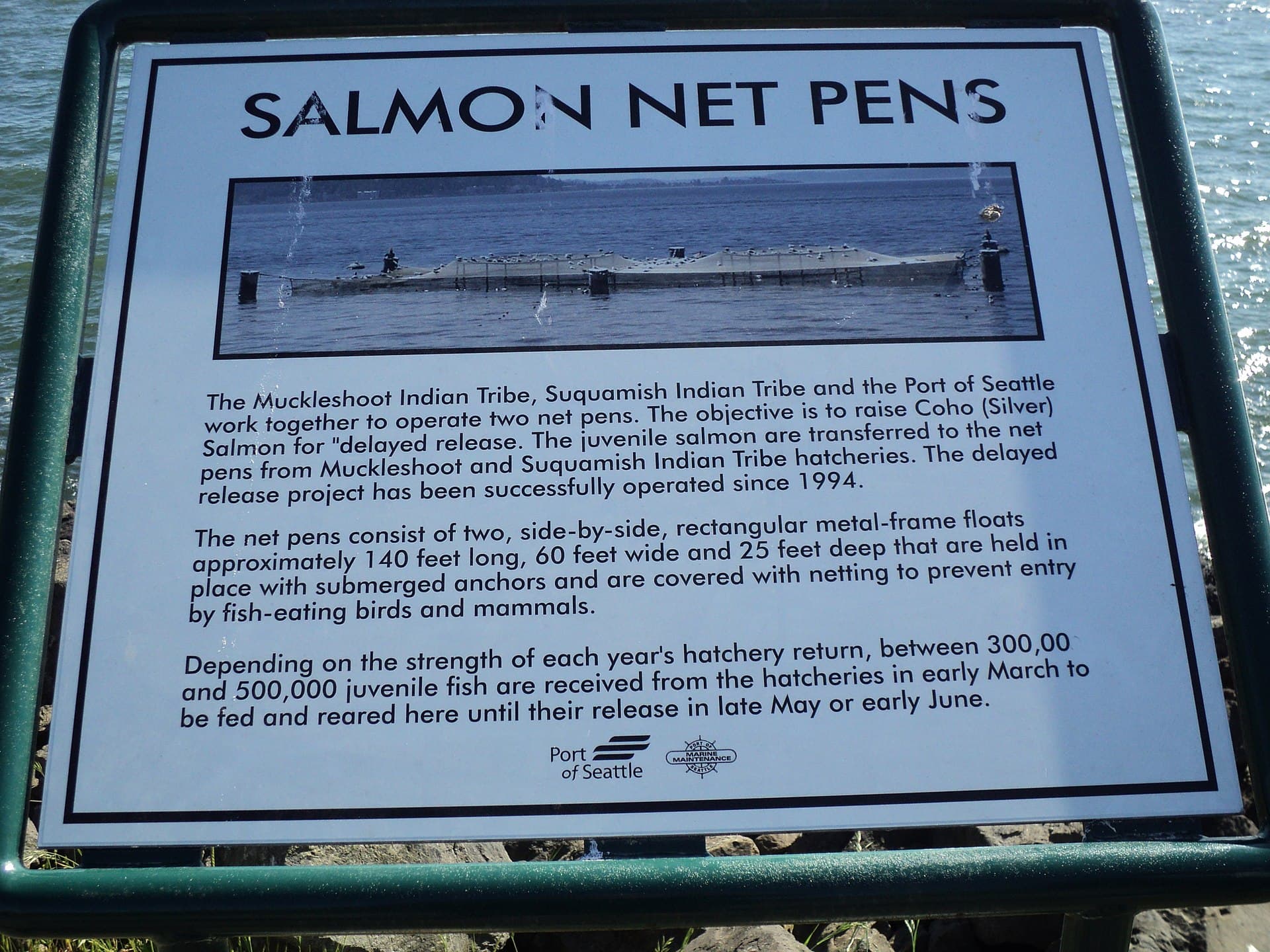
The bigger picture reaches far beyond one hatchery. Washington salmon recovery reporting says the state has removed 3,866 barriers blocking migrating fish, opening more than 5,000 miles of habitat. For the Muckleshoot, those numbers are about more than restoration statistics. They speak to whether governments are preserving a living way of life, or only celebrating salmon after the rivers that sustain them have been diminished.
This article was produced by Prism’s automated news system from verified source data, official records, and press releases, then run through automated quality and moderation checks before publishing. The system is built and supervised by the people who set the standards it runs under. Read our full AI policy.
Know something we missed? Have a correction or additional information?
Submit a Tip