Three Latvian climbers die after fall on Denali pass
Three climbers fell near Denali Pass at 18,200 feet, where rescue crews face steep ice, crevasses and exposed ridges. A fourth was pulled out alive from a 17,200-foot basin.
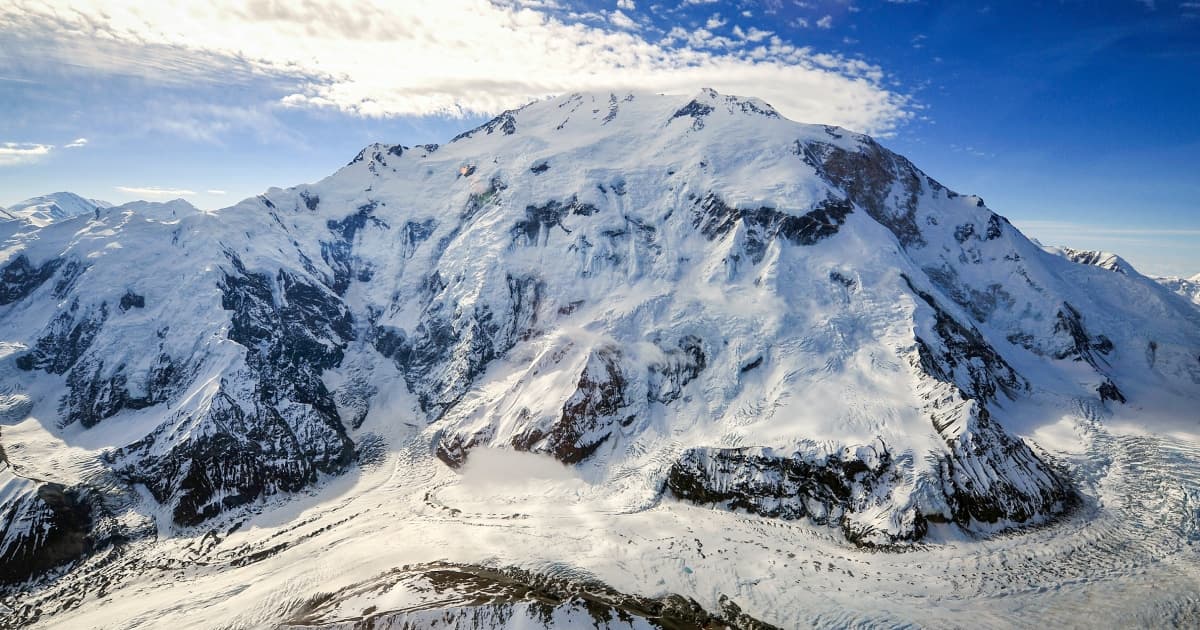
A fall on the narrow, high route below Denali Pass killed three Latvian climbers and left a fourth in critical condition, a grim reminder of how little room for error exists on Alaska’s tallest peak. The seven-person expedition was on the West Buttress route when four climbers went down Wednesday near 18,200 feet, about 2,100 feet below the 20,310-foot summit.
Denali National Park and Preserve mountaineering rangers reached the scene and rescued the fourth climber Thursday afternoon from a 17,200-foot basin. The survivor was later transferred to an air ambulance for transport to a hospital. The operation for the three others shifted from search and rescue to recovery, a change that reflects the limits of what even highly trained crews can do once a fall occurs in that section of the mountain.
The Latvian Mountaineering Association identified the dead as Inese Puceka, Vija Olte and Renars Kunigs-Salaks. It said the fourth climber, Mārtiņš Bilzēns, was in critical condition. The three remaining members of the expedition were not injured and returned to camp after tending to their fallen climbing partners.
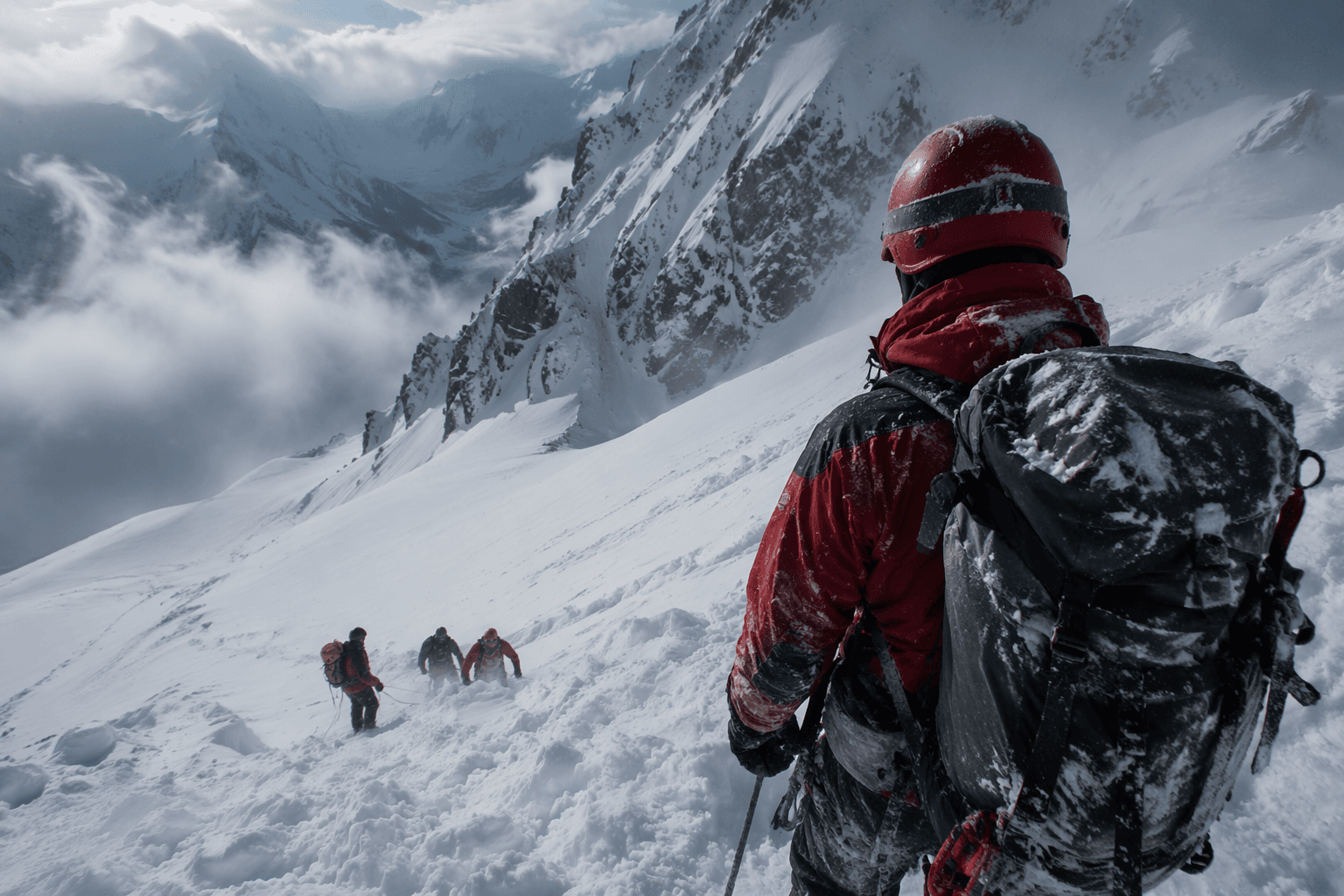
Denali’s West Buttress route is the mountain’s most popular line, but it is also one of the most unforgiving. The park says more than 130 people have died there over the mountain’s history, and many of those injuries and deaths have happened on the traverse between High Camp and Denali Pass, especially on the descent. Rangers and mountain guides install and maintain snow pickets in that stretch so climbers can build anchors for extra protection, yet the terrain still combines crevasses, steep ice and exposed ridges that can turn one slip into an unrecoverable fall.
The risk is magnified by the mountain’s scale and the season. Only about 1,000 to 1,200 climbers attempt the summit each year, mostly in May and June, and the climb usually takes about 17 days. Last year, fewer than half of climbers reached the summit. There were two fatalities, both skiers, and rangers evacuated 16 people. As of Thursday, 516 climbers were on the mountain.

The peak is known to Alaska Natives and locals as Denali, meaning “the high one.” It was officially named Mount McKinley in 1917, renamed Denali in 2015, and then restored to Mount McKinley for federal purposes in 2025. However it is labeled, the danger on its upper ridges remains the same: a place where rescue can begin only after the mountain has already decided the outcome.
This article was produced by Prism’s automated news system from verified source data, official records, and press releases, then run through automated quality and moderation checks before publishing. The system is built and supervised by the people who set the standards it runs under. Read our full AI policy.
Know something we missed? Have a correction or additional information?
Submit a Tip