Myanmar Junta Frees Thousands Ahead of Disputed National Election
Myanmar’s military government announced pardons or dropped charges for 8,665 people, moves it said were intended to allow broader participation in an upcoming election. Critics and international observers say the gesture is unlikely to alter the contested nature of the polls and raises questions about whether the measures are calculated to manufacture legitimacy.
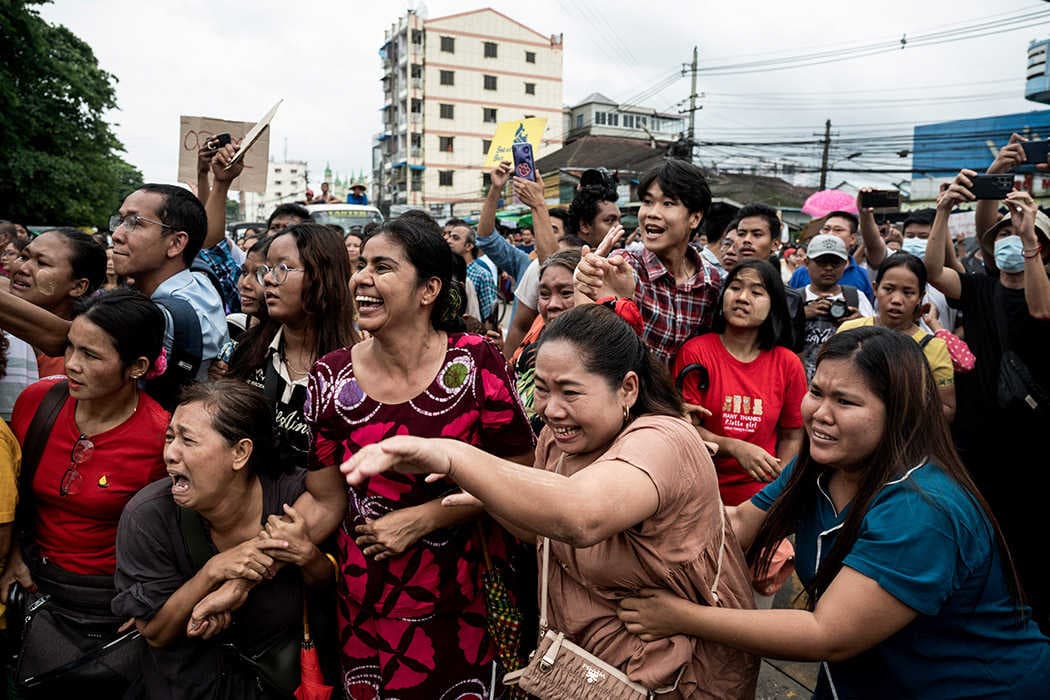
The Myanmar military government announced on November 27 that it had pardoned or dropped charges against 8,665 people, a broad measure the junta said was meant to enable more citizens to vote in an upcoming election. The order reduced sentences for more than 3,000 people convicted under a penal code article that criminalizes comments alleged to spread fear or false news, and it dropped charges for another 5,580 people who are still at large.
The move comes as the junta seeks to stage an election that many Western governments and human rights groups have described as a sham. International concern about the credibility of the process has been flagged by multiple news organizations and advocacy groups, which say the polls are unlikely to be free or fair while the military remains in control and many political opponents remain barred from participating.
It was not immediately clear how many of those covered by the order were political detainees or how many were ordinary criminal defendants. Observers noted an important distinction between reduced sentences for people already convicted and dropped charges for individuals who are not in custody. For those still detained on political grounds, reductions may ease prison conditions or shorten incarceration, but they will not necessarily restore civil liberties or remove the broader legal constraints used to silence dissent.
Legal and logistical questions also remain about whether recipients of pardons or dropped charges will be able to register and cast ballots in time for the election. Many opposition figures and civil society organizations remain in hiding or exile, and years of arrests, judicial restrictions, and administrative obstacles have eroded the infrastructure for a pluralistic contest.

The announcement must be read against a backdrop of political upheaval that began with the military seizure of power in February 2021. Since the coup thousands of activists, politicians, journalists, and ordinary citizens have been detained on a range of charges tied to protests, political organizing, and public commentary. Authorities have frequently employed broadly worded statutes to criminalize speech and restrict assembly, drawing sustained criticism from human rights groups and Western diplomatic missions.
For the junta, the timing of the pardons and dismissals underscores a political calculus. Analysts say the gesture could be aimed at softening domestic discontent, reducing the logistical burden of prisons, and presenting an image of reconciliation to foreign governments and regional partners. Yet for many inside Myanmar and abroad the measure looks insufficient given the scale of repression and the systematic twists to legal and civic institutions.
The international response will likely shape the next phase of engagement or isolation. Western capitals have so far dismissed the election as lacking legitimacy, and rights groups say that a narrow amnesty does not address the structural abuses that have accompanied military rule. As the balloting approaches, the central question remains whether procedural concessions will change the substantive balance of power, or simply provide a veneer of normalcy that masks continued authoritarian control.
This article was produced by Prism’s automated news system from verified source data, official records, and press releases, then run through automated quality and moderation checks before publishing. The system is built and supervised by the people who set the standards it runs under. Read our full AI policy.
Did this article answer your question?


