Nanny testifies Lindsay Clancy was a wonderful mom in murder trial
A former nanny told jurors Lindsay Clancy was a "wonderful mom," a description that could complicate the fight over intent and postpartum mental state.
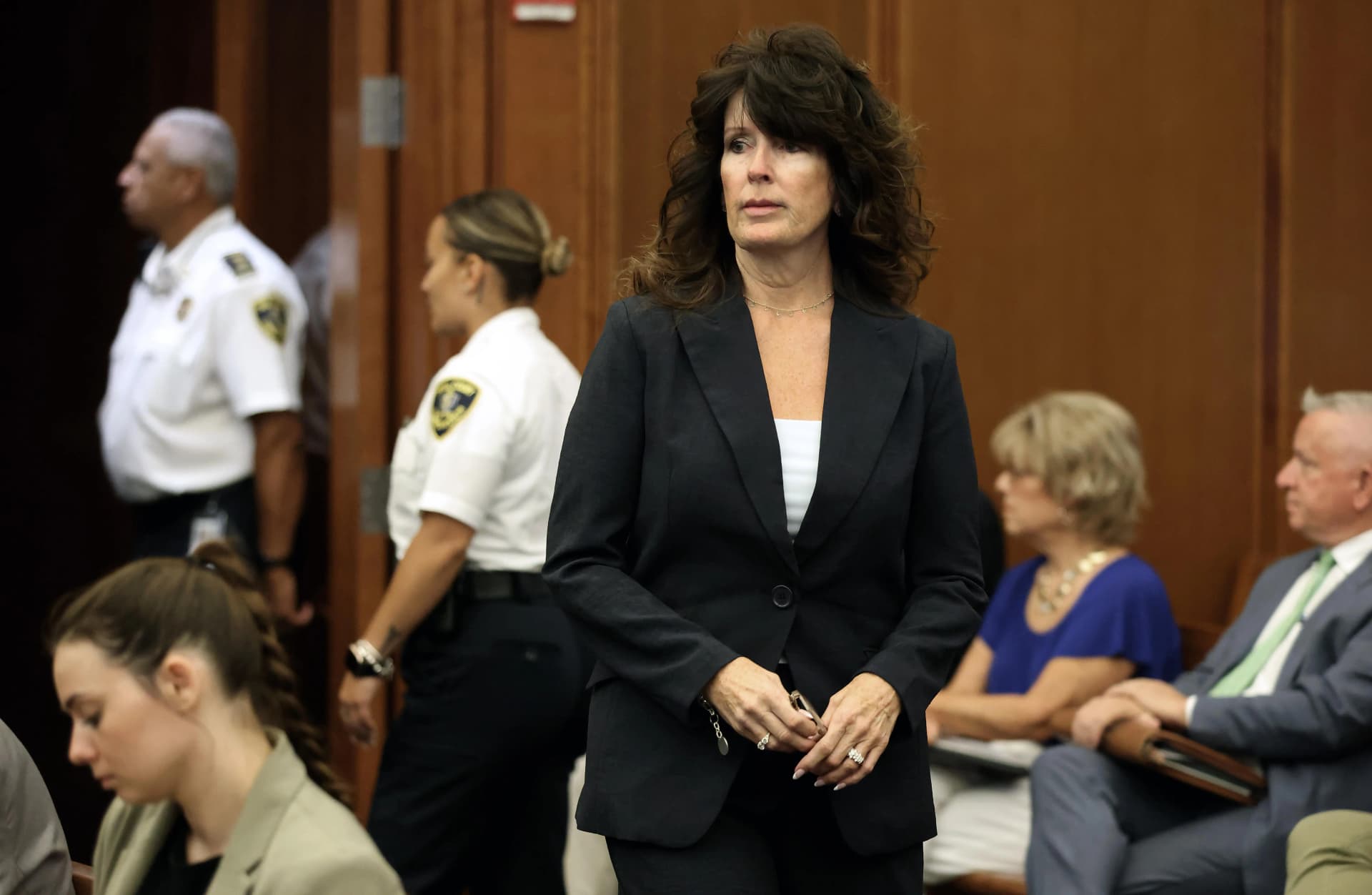
Elaine Rossi, the Clancy family's former nanny, told jurors Lindsay Clancy was a "wonderful mom" who loved her children, a description that goes directly to the fight over whether the Duxbury mother understood what she was doing when her three children died. Rossi's testimony gave the defense a witness who saw Lindsay Clancy with Cora, 5, Dawson, 3, and Callan, 8 months, while prosecutors tried to build a timeline showing the mother had been unraveling for months before the January 2023 killings.
Day 7 of the murder trial played out at Plymouth Superior Court in Plymouth, Massachusetts, where the final witness of the day was Rossi, of Kingston. The hearing began around 9 a.m. and ended just after noon on Wednesday, Aug. 5, with Rossi saying she worked for the Clancy family from July 2022 to early December 2022. She described Lindsay Clancy as a "wonderful mom" and "wonderful mother," language the defense can use to support its argument that severe postpartum depression and psychosis erased Clancy's ability to make rational decisions.

Prosecutors have taken the opposite tack, telling jurors that before the killings Lindsay Clancy had lost significant weight, could not sleep and complained of postpregnancy mental-health problems. Trial testimony has also described the children's injuries as exercise bands around their necks, a detail that underscores the prosecution's claim that Clancy intentionally strangled them. If jurors accept that account, Clancy faces life in prison without parole on murder charges.
The testimony from Rossi does not answer the central question in the case, but it sharpens it. Her account of a mother who appeared loving and engaged sits alongside the prosecution's picture of a woman whose sleep, weight and mental state had deteriorated before the deaths. That contrast now feeds the legal battle over intent and capacity, the issue that will decide whether jurors see the killings as deliberate acts or as the product of severe mental illness.
This article was produced by Prism’s automated news system from verified source data, official records, and press releases, then run through automated quality and moderation checks before publishing. The system is built and supervised by the people who set the standards it runs under. Read our full AI policy.
Did this article answer your question?