Trump administration to expand tax incentives for paid family leave
Treasury and IRS are widening Section 45S, letting employers count leave insurance premiums and benefits for workers with six months on the job.
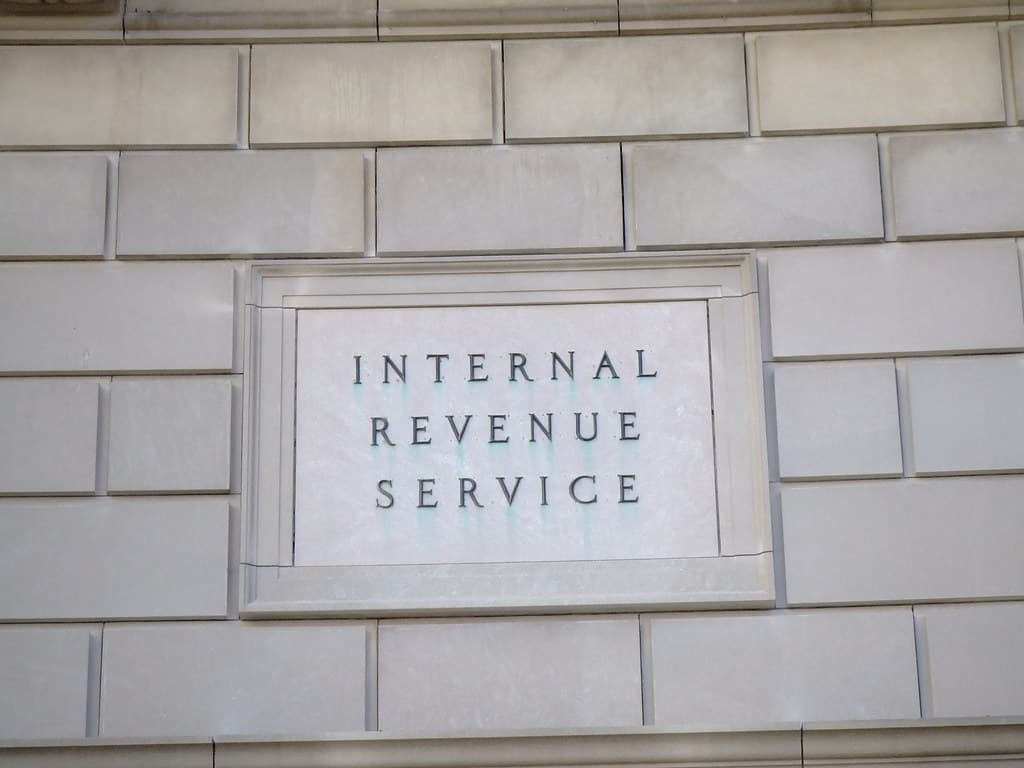
The Trump administration prepared new guidance to expand tax incentives for employers that offer paid family leave, a voluntary approach that could widen access without creating a federal mandate. Treasury and the Internal Revenue Service described the move as a permanent expansion of the paid family and medical leave credit under the Working Families Tax Cuts.
The updated rules build on Section 45S of the Internal Revenue Code, the employer credit created by the 2017 Tax Cuts and Jobs Act. IRS guidance in Notice 2018-71 set the original framework, and IRS instructions for Form 8994 later noted that Congress extended the credit in the Taxpayer Certainty and Disaster Tax Relief Act of 2020. A January 2026 Department of Labor fact sheet said the credit became permanent in 2025 under the One Big Beautiful Bill Act.
The change matters most for employers that already offer some leave or are considering it. The Department of Labor said premiums paid for paid family and medical leave insurance plans can qualify, and employer-provided benefits can now count for workers who have been on the job as little as six months. That makes the credit more usable for small and mid-sized companies, which often say paid leave is expensive and hard to administer compared with larger firms that can absorb the cost more easily. If the guidance makes qualification simpler, businesses may be more willing to add formal leave policies that help recruit and keep workers.
But the approach still leaves many workers outside the system. The credit only reaches employers that choose to participate, so employees at companies without paid leave can remain uncovered. That is the central divide in Washington: Democrats have sought a national paid family leave benefit, while Republicans have generally preferred incentives and private-sector flexibility over a federal entitlement.

Labor and tax groups have already signaled how contested the rules remain. The American Institute of Certified Public Accountants submitted comments to Treasury on March 13, 2026, asking for revisions to the family and medical leave credit guidance. The National Partnership for Women & Families argued in a February 2025 report that the 45S credit had done little to expand access and should expire.
Trump has used family leave before in narrower form. In December 2019, he announced paid parental leave for federal workers. States have filled some of the gap on their own, including New York, which enacted Paid Family Leave in 2016 and describes it as a nation-leading program. The federal push now leaves the same basic question unresolved: whether tax breaks can move enough employers to build a national leave system from the private sector up.
This article was produced by Prism’s automated news system from verified source data, official records, and press releases, then run through automated quality and moderation checks before publishing. The system is built and supervised by the people who set the standards it runs under. Read our full AI policy.
Did this article answer your question?