Naphtha shortage from Hormuz blockade disrupts Japan and South Korea industries
A blocked Hormuz has jolted naphtha prices 60% higher, forcing Japan and South Korea to cut cracker output and warning of costlier plastics, packaging and retail goods.

A blocked Strait of Hormuz is turning a maritime crisis into a factory problem across Asia, with naphtha supplies tightening, petrochemical plants cutting runs and the pressure now moving into everyday goods from plastic bags to medical packaging.
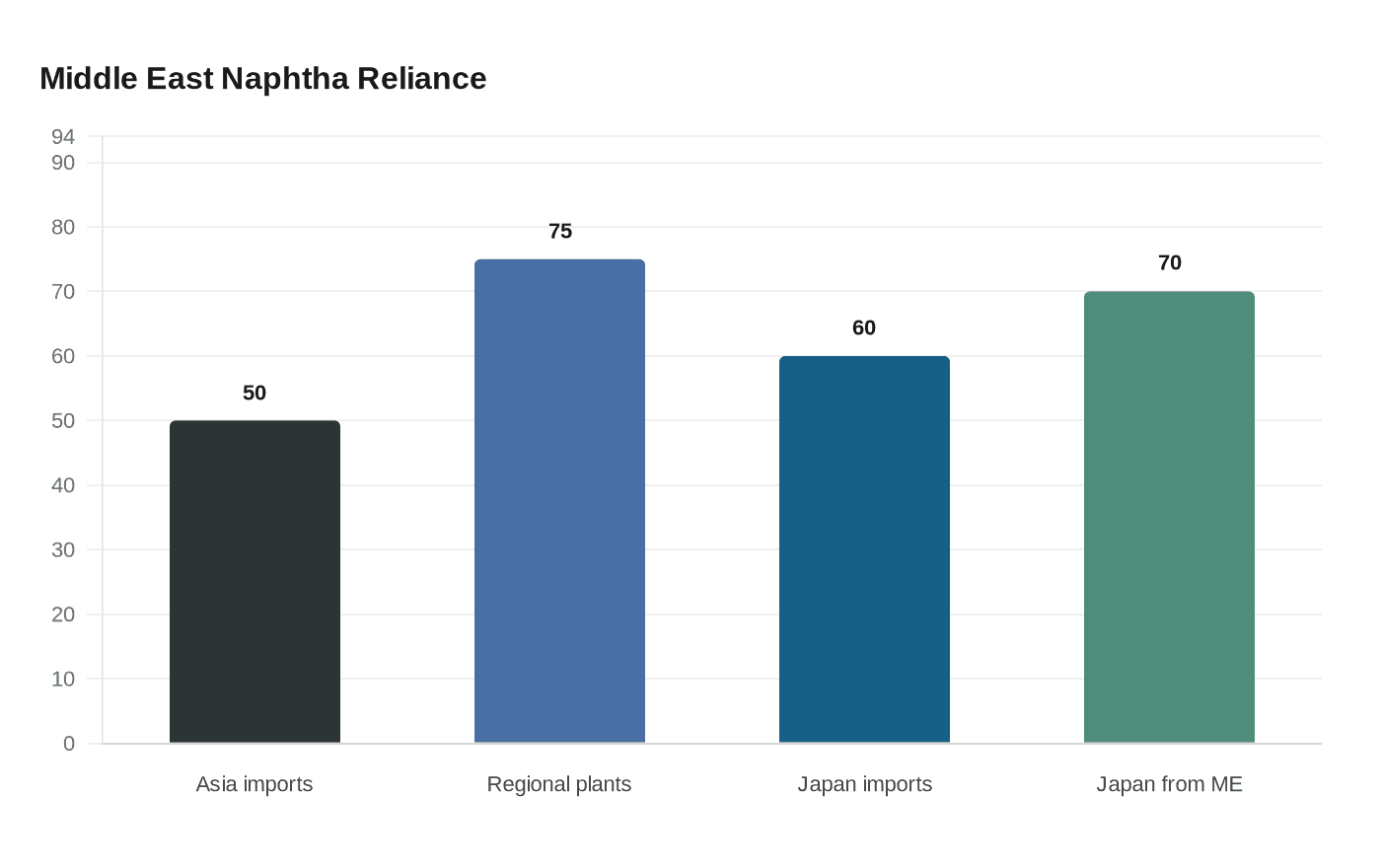
The shock starts with feedstock. Asia imports more than half of its seaborne naphtha from the Middle East, and regional petrochemical plants rely on Middle Eastern supply for roughly 70% to 80% of their naphtha input. ICIS said the Strait of Hormuz has remained effectively closed since February 28, pushing crude and petrochemical feedstock prices higher and forcing buyers to scramble for replacement cargoes. Naphtha shipped into Asia has risen 60% since the war began.
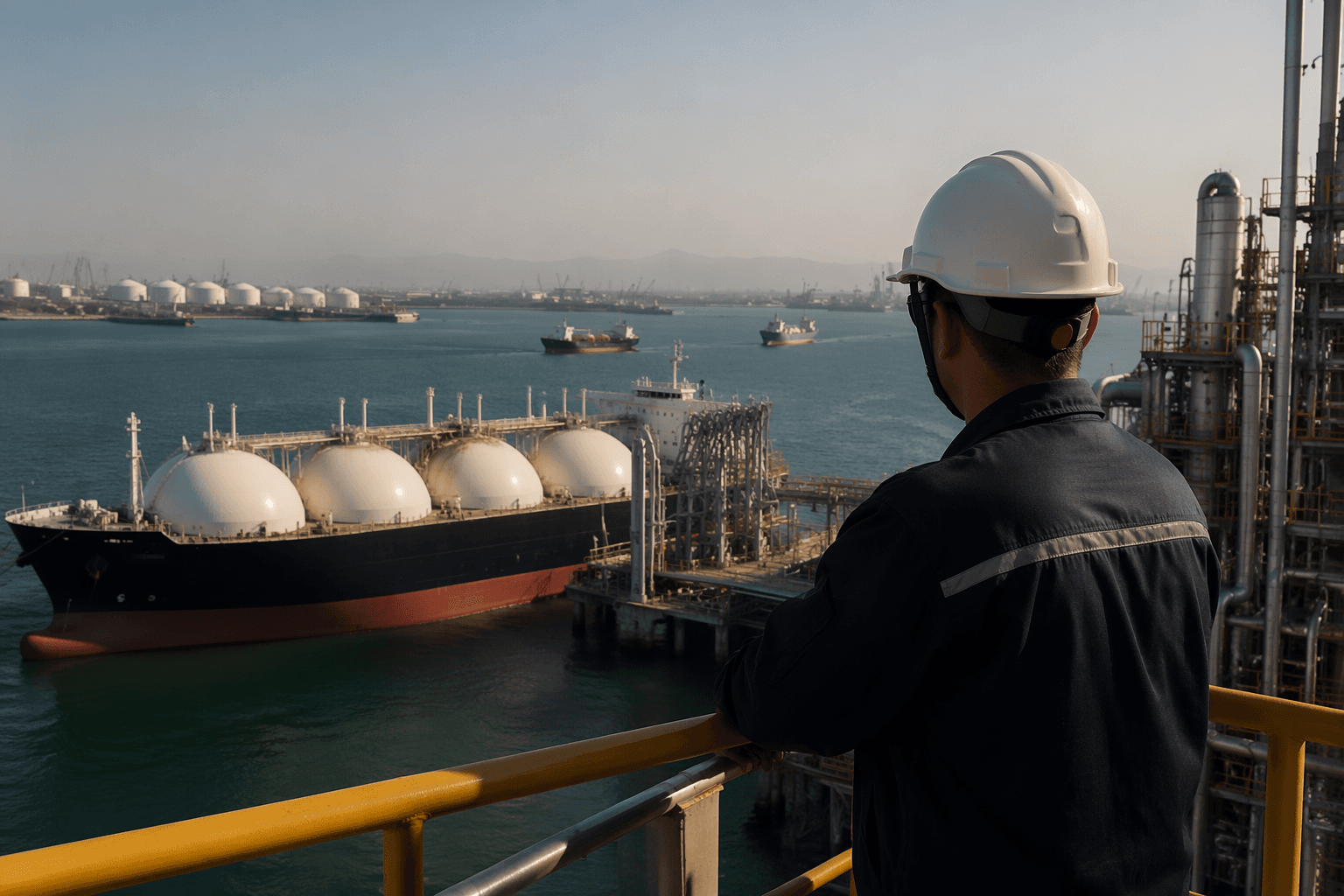
Japan is especially exposed. The country imports more than 60% of its naphtha supply, and about 70% of those imports come from the Middle East. One estimate put Japanese inventories at about 20 days in March. By mid-March, half of Japan’s 12 ethylene plants had reduced production, and the country’s ethylene plant utilization rate fell to a record low of 68.6% in March. Mitsubishi Chemical began cutting steam cracker output, and Mitsui Chemicals trimmed ethylene output at two plants.
South Korea has moved to defend domestic supply. Its government restricted naphtha exports for five months starting March 28, redirecting about 11% of domestically produced naphtha to local buyers. Officials also expanded low-interest loans and considered higher import credit limits to stabilize supply, while the Ministry of Trade, Industry and Resources imposed anti-hoarding measures on urea and urea solution. South Korean authorities also directed local governments to check stocks of plastic garbage bags to prevent panic buying.
The disruption is already reaching industrial goods. LG Chem temporarily shut down its No. 2 naphtha cracker at the Yeosu complex, underscoring how quickly shortages hit large producers. Japan’s petrochemical industry has warned of spillover into packaging, window frames, pipes, cable insulation, food packaging, plastic bags and medical plastics. South Korean officials have flagged similar pressure on household items that depend on plastic resin.
Analysts say the risk is bigger than one feedstock shortage. During the 1984 tanker war, the Strait of Hormuz stayed open despite attacks, but the 2026 closure is being described as more severe because shipping traffic has been far more constrained. Japan has already set up a $10 billion fund to help Southeast Asian economies procure crude oil and secure medical-product supply chains, a sign that governments are moving from emergency buying to broader supply-chain defense. If the blockade lasts, the shortage will not stop at petrochemicals; it will reach consumer prices across Asia and beyond.
This article was produced by Prism’s automated news system from verified source data, official records, and press releases, then run through automated quality and moderation checks before publishing. The system is built and supervised by the people who set the standards it runs under. Read our full AI policy.
Know something we missed? Have a correction or additional information?
Submit a Tip