NASA chief says U.S. is in a space race with China
Isaacman cast Artemis as a race with China, but the public scoreboard is split: China has the tighter Moon deadline, while NASA is betting on cadence and allies.
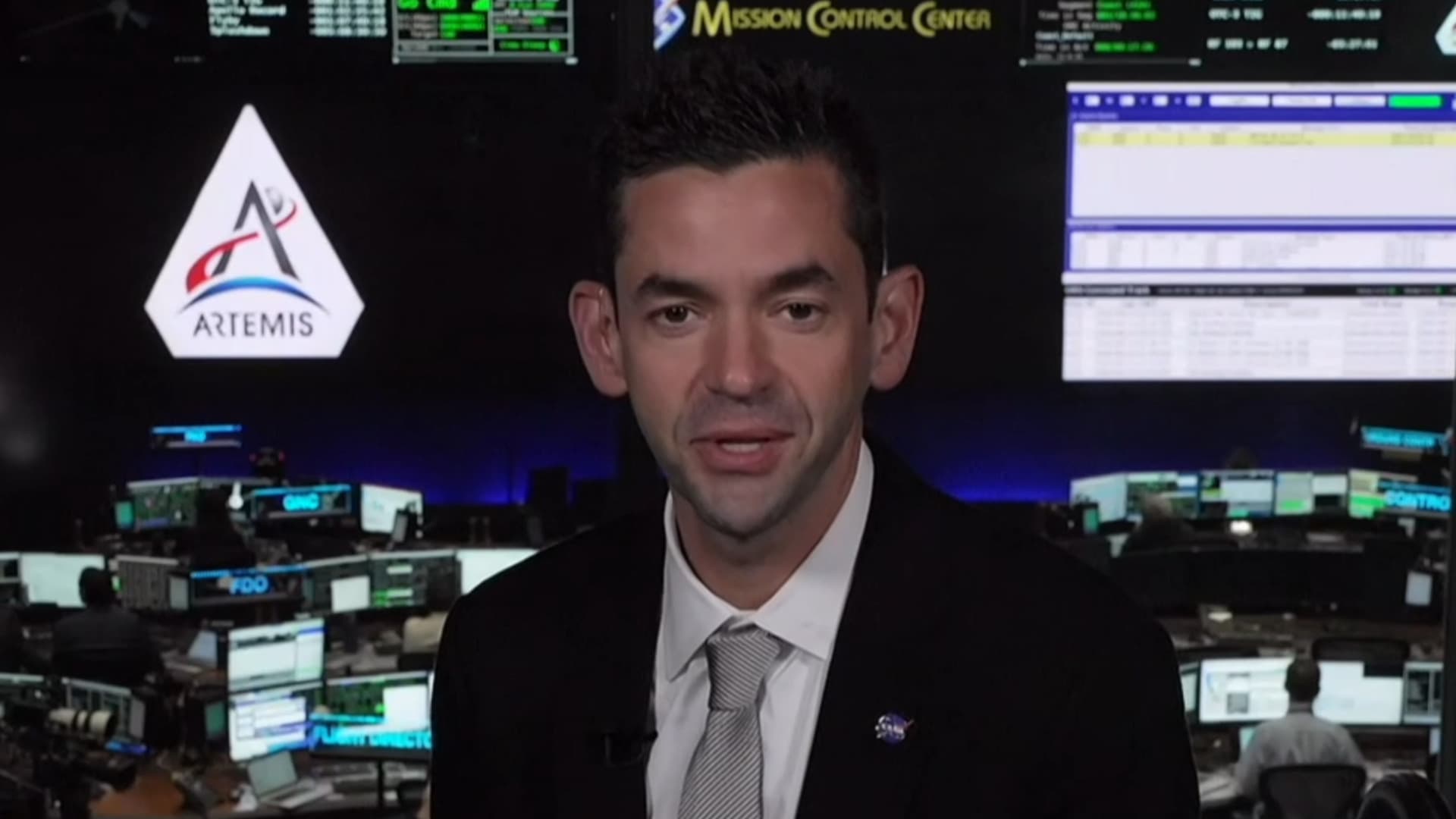
Jared Isaacman is casting NASA’s Moon effort as a contest with China, but the public scoreboard is split. China has the nearer landing target, while NASA is trying to answer with a faster Artemis schedule, a multinational coalition and a return to the lunar surface that is still several missions away.
On CBS News’ Face the Nation, in a transcript dated April 5, 2026, Isaacman said the United States was “very much in a space race right now” and added that the “Chinese are moving at incredible speeds.” He tied that message to Artemis II and NASA’s broader Moon plan, saying Artemis III was a year away and that Artemis IV would be the mission to return American astronauts to the lunar surface.
The near-term U.S. record is real, but it is still a test flight. Artemis II launched April 1, 2026 with four astronauts, Reid Wiseman, Victor Glover, Christina Koch and Jeremy Hansen, on NASA’s first crewed lunar flyby in more than 50 years. NASA described the mission as a roughly 10-day trip around the Moon; the crew splashed down off San Diego on April 10, 2026 after reaching 252,756 miles from Earth, the farthest distance ever traveled by humans in space.
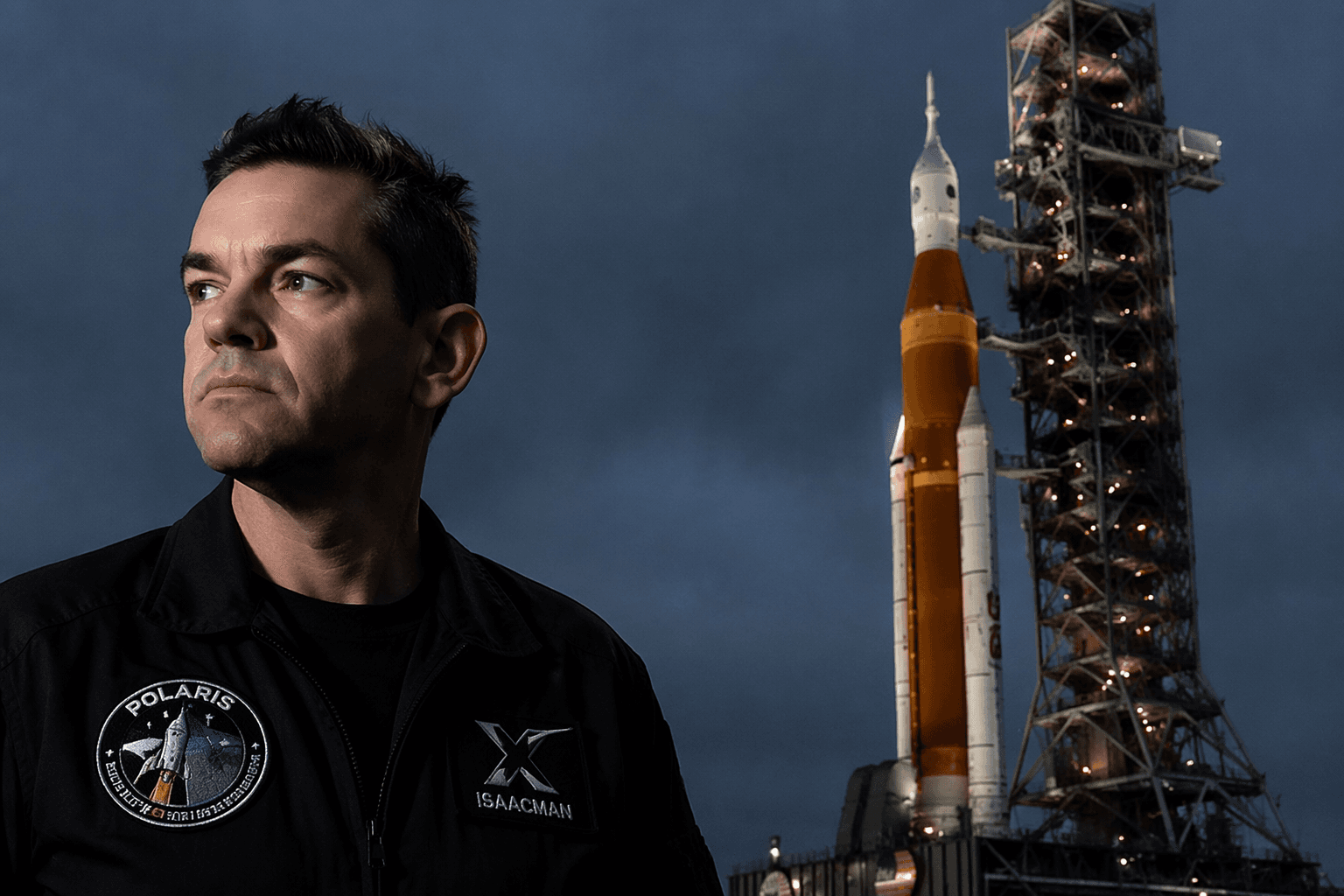
NASA also moved to accelerate the program. On Feb. 27, 2026, the agency said it would increase the cadence of Artemis missions, add another mission in 2027 and aim for at least one surface landing every year after that. That schedule is the heart of the U.S. answer to China: not just one return to the Moon, but a sustained campaign built to normalize repeated landings and keep the program moving after the first success.
China’s public timeline is more direct. Chinese planners have kept to a stated goal of landing astronauts on the Moon before 2030, while also advancing the International Lunar Research Station. Chinese officials have said the station’s first phase would place a basic facility in the lunar south pole region by 2035, with a second phase targeting completion by 2045. In a competition defined by deadlines, that gives Beijing the cleaner near-term target and a longer-range infrastructure plan of its own.

The diplomatic layer is just as important as the hardware. The State Department says the Artemis Accords launched on Oct. 13, 2020 with eight initial signatories and had grown to 68 signatories by June 2026. That coalition does not guarantee the first human footprints back on the Moon, but it shows how Washington is building its lunar program around partners as much as rockets.
Skeptics still question whether NASA’s architecture can beat China to the surface. Former NASA Administrator Jim Bridenstine told a Senate Commerce, Science, and Transportation Committee hearing on Sept. 3, 2025 that it was “highly unlikely” NASA would land on the Moon before China, citing the complexity of the SpaceX Starship-based lunar lander approach. Isaacman now faces the task of proving that NASA’s faster cadence can overcome that doubt before China’s clock runs out.
This article was produced by Prism’s automated news system from verified source data, official records, and press releases, then run through automated quality and moderation checks before publishing. The system is built and supervised by the people who set the standards it runs under. Read our full AI policy.
Did this article answer your question?