Son says detained Gaza doctor is near death after abuse, isolation
His son said Hussam Abu Safia can barely breathe or speak after 555 days in Israeli detention, as lawyers reported bruises, loss of consciousness and shackles.
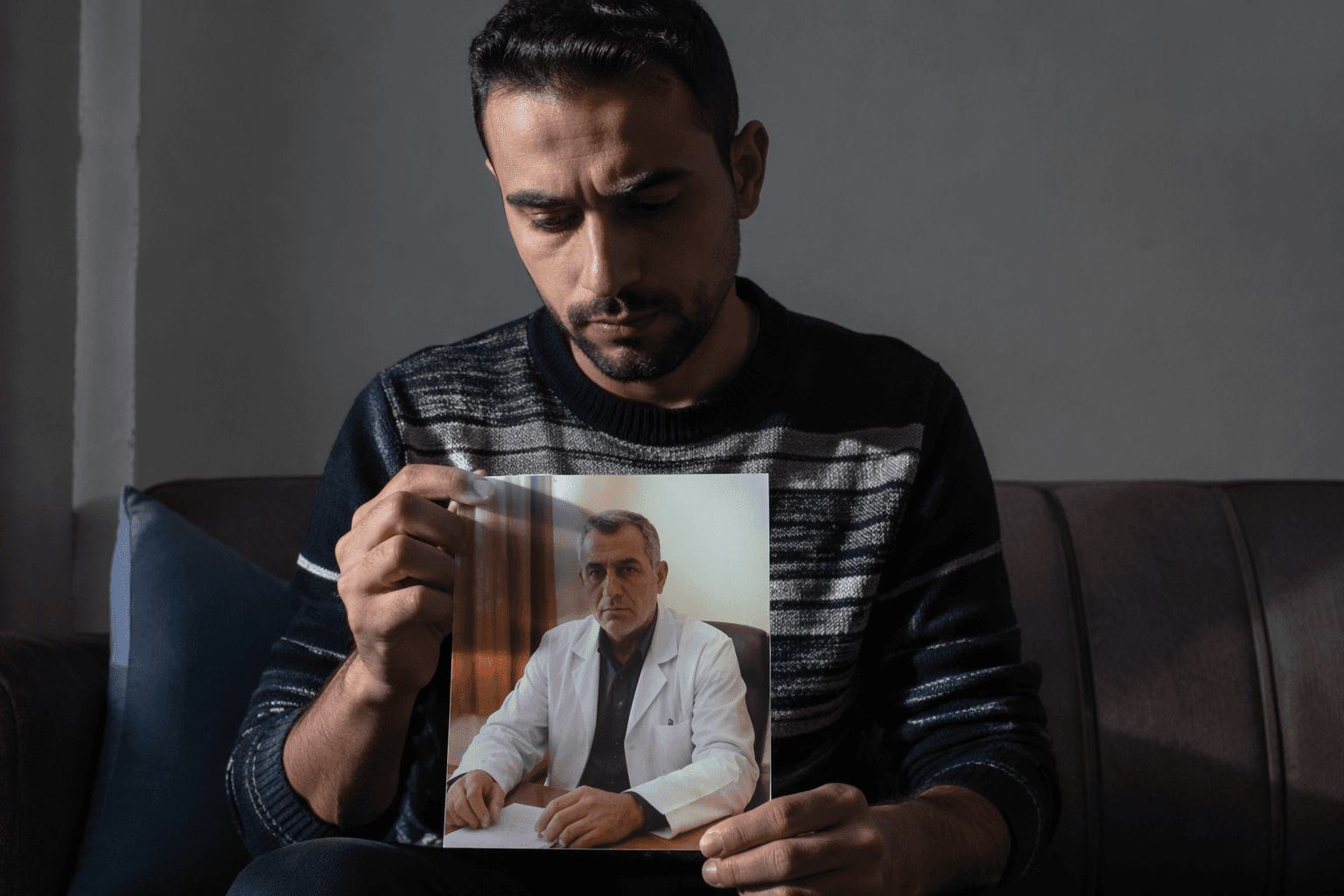
Hussam Abu Safia’s son said on Sunday that the detained Gaza doctor was near death after a prison visit that documented severe abuse, deepening the scrutiny on how wartime detainees, especially medical personnel, are being held and monitored. Physicians for Human Rights Israel said Abu Safia had been moved to the Rakefet section of Nitzan Prison, a maximum-security setting, after more than 555 days in Israeli detention without charge.
Elyas Abu Safia said a lawyer who recently visited his father described a man in sharp physical decline. The lawyer, Nasser Odeh, documented fresh bruises, signs of assault, repeated loss of consciousness and difficulty breathing during a July 2 visit. WAFA said Abu Safia was brought into the meeting with his hands and feet shackled and was surrounded by masked prison guards. Elyas Abu Safia said his father could not breathe, could not speak and showed visible signs of torture and pain.
Abu Safia’s detention began when Israeli forces raided Kamal Adwan Hospital on December 27, 2024, arresting him along with other medical staff and patients. Amnesty International has described Kamal Adwan as the last functioning major medical facility in North Gaza at the time of the raid. Rights groups say Abu Safia is a pediatrician and neonatologist as well as the hospital’s director, and media accounts say he had refused Israeli orders to leave the hospital during the siege of northern Gaza.
Two months after the arrest, an Israeli drone strike killed Abu Safia’s son Ibrahim at the entrance to the hospital where he worked, adding another layer of loss to a family already marked by war and detention. The attack and the hospital’s forced evacuation left Kamal Adwan out of service and further strained a health system already collapsing under bombardment, blockade and shortages across northern Gaza.

Amnesty International and other rights groups have called Abu Safia’s detention arbitrary and demanded his immediate and unconditional release. His case now sits at the intersection of prison oversight, wartime accountability and the fate of Gaza’s remaining medical infrastructure, with his condition becoming a public measure of how detainees are treated once they disappear behind prison walls.
This article was produced by Prism’s automated news system from verified source data, official records, and press releases, then run through automated quality and moderation checks before publishing. The system is built and supervised by the people who set the standards it runs under. Read our full AI policy.
Did this article answer your question?