Unfinished Tehran mosque becomes symbol of Khamenei’s unfulfilled rule
Mourners gathered at Tehran’s unfinished Grand Mosalla, a 40-year-old project critics say reflects the gaps in Khamenei’s rule.
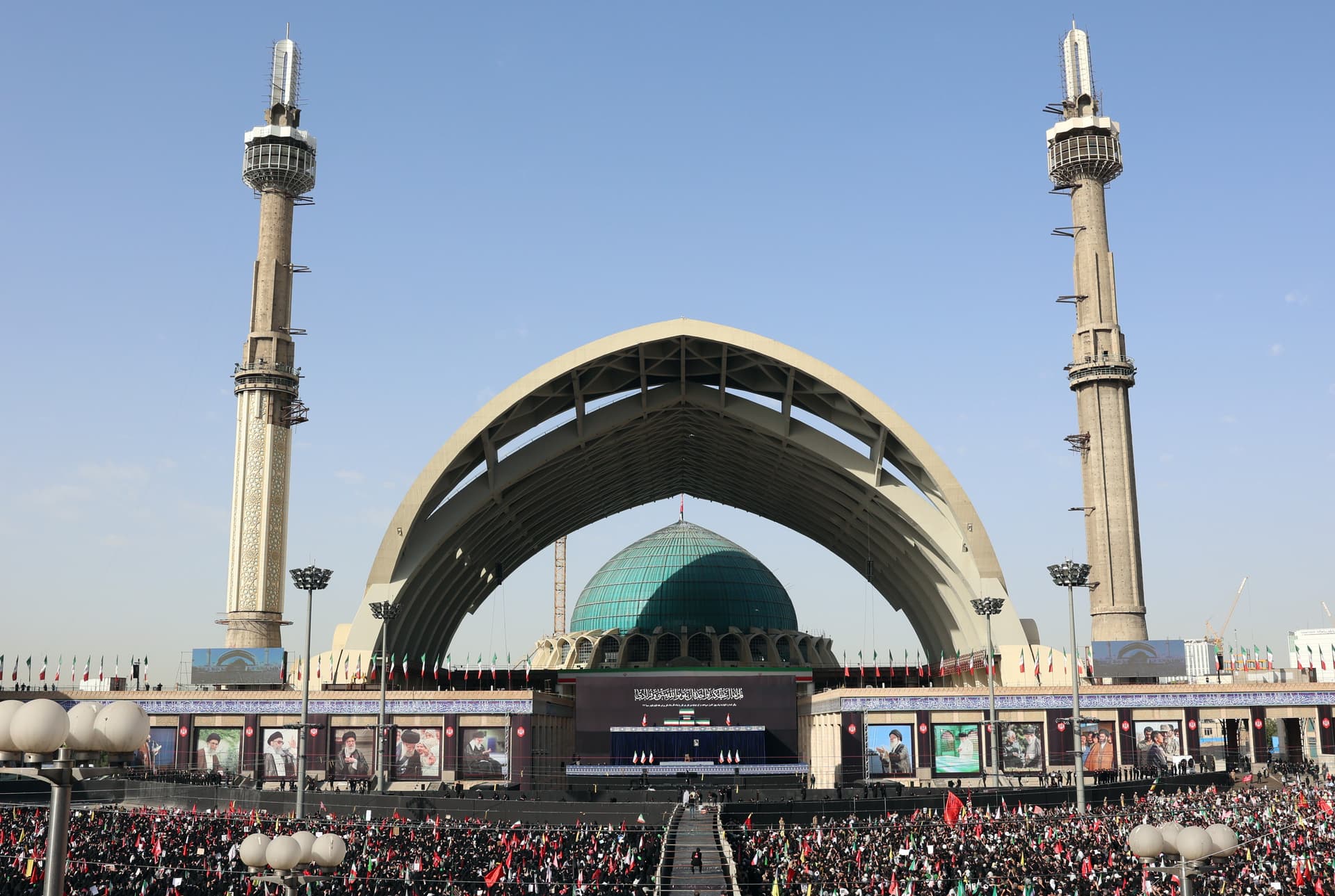
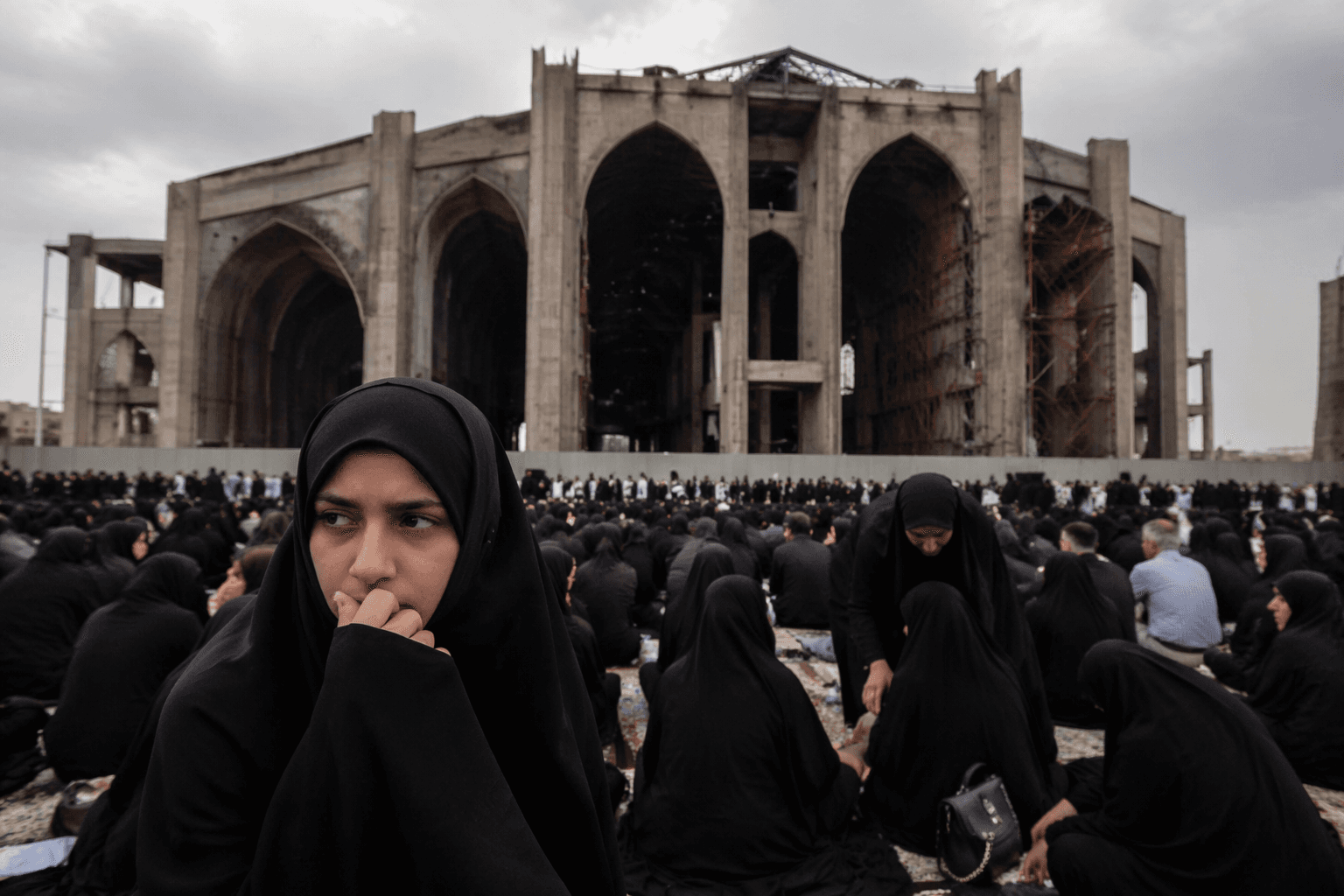
Mourners who came to Tehran’s Grand Mosalla to pay respects to Ali Khamenei stood inside a complex that still carried the marks of a project begun in the 1980s and never finished. The site, officially the Imam Khomeini Mosalla of Tehran, has long been a symbol of the Islamic Republic’s ambitions and delays at once.
The Grand Mosalla was proposed in 1982 to replace the University of Tehran as the main venue for Friday prayers. Construction began in the mid-1980s, commonly dated to 1985, but major sections remained incomplete decades later even as the complex continued to host worshippers, book fairs, exhibitions and Quran-related gatherings.
Its unfinished state made the mourning ceremonies for Khamenei politically charged. Khamenei ruled Iran as supreme leader from 1989 until his death in 2026, and critics have cast the half-built mosque complex as a physical reminder of revolutionary promises that were never fully delivered. The irony was hard to miss at a place meant to embody grandeur, centrality and permanence.
The site has still been central to public life in Tehran. Friday prayers have been held there, and its vast grounds have been used for major religious and cultural events that draw crowds from across the capital. That long-running function has not erased the larger fact that the project itself, conceived more than four decades ago, remains visibly unfinished.
Some Iranian reporting in February 2025 said the Grand Mosalla was being expanded by 200 hectares, with claims that it could become the world’s largest mosque complex. That announcement only underscored how far the project has stretched beyond its original timeline. What was supposed to replace the University of Tehran as the city’s principal Friday prayer venue became, instead, an enduring construction site layered with political meaning.
For critics, the unfinished mosque has become a shorthand for the broader record of Khamenei’s era: sweeping claims of transformation, repeated postponements, and a state that often measured power by scale more than completion. The mourners gathered there this weekend were not only inside a ceremonial venue. They were inside one of the clearest architectural symbols of how the Islamic Republic’s revolutionary aspirations have aged into unfinished concrete.
This article was produced by Prism’s automated news system from verified source data, official records, and press releases, then run through automated quality and moderation checks before publishing. The system is built and supervised by the people who set the standards it runs under. Read our full AI policy.
Did this article answer your question?