NASA JPL Demonstrates 3D‑Printed Spring Deployment for Smallsat Antennas
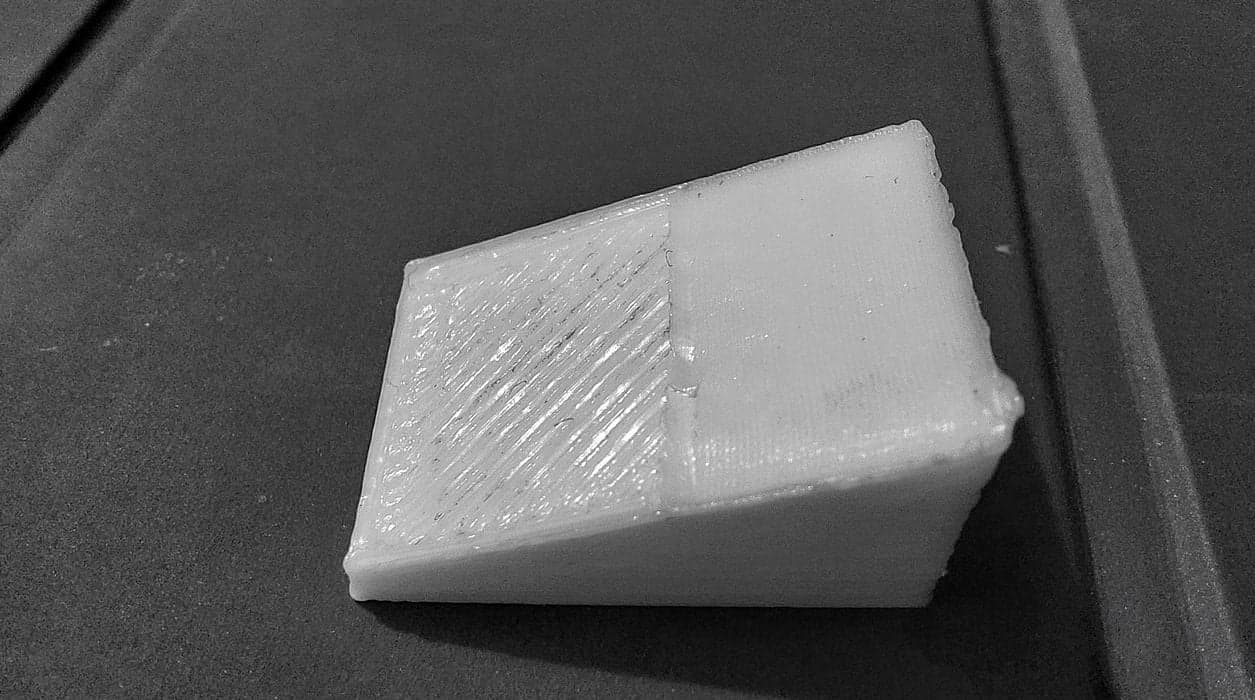
A Ti‑6‑4 titanium, EOS M290‑printed spring about the size of a small paperback and under 500 g deployed from Proteus Space’s Mercury One in LEO on Feb. 3, 2026.
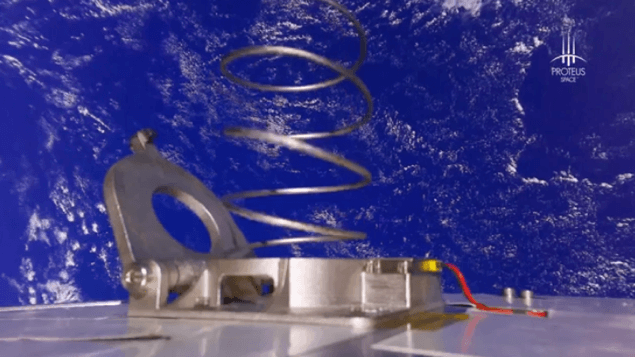
A 3D‑printed titanium spring the size of a small paperback and weighing under 500 g popped out of its canister above the Pacific Ocean on Feb. 3, 2026, demonstrating a low‑cost, low‑complexity deployment option for smallsat antennas. The device, the JPL Additive Compliant Canister or JACC, rode aboard Proteus Space’s Mercury One M1 ESPA‑class satellite after the spacecraft launched from Vandenberg Space Force Base on Nov. 28, 2025 as part of SpaceX’s Transporter‑15 mission.
JACC is a jack‑in‑the‑box‑style, helical/coiled spring architecture printed as a largely monolithic structure in Ti‑6‑4 on an EOS M290 at NASA’s Jet Propulsion Laboratory. Metal‑AM documents that the single printed piece integrates lid, canister, hinges, torsion springs, and a deployable compression spring into one component using a novel embedded kinematic hinge architecture and additive manufacturing enabled embedded mechanism architecture.
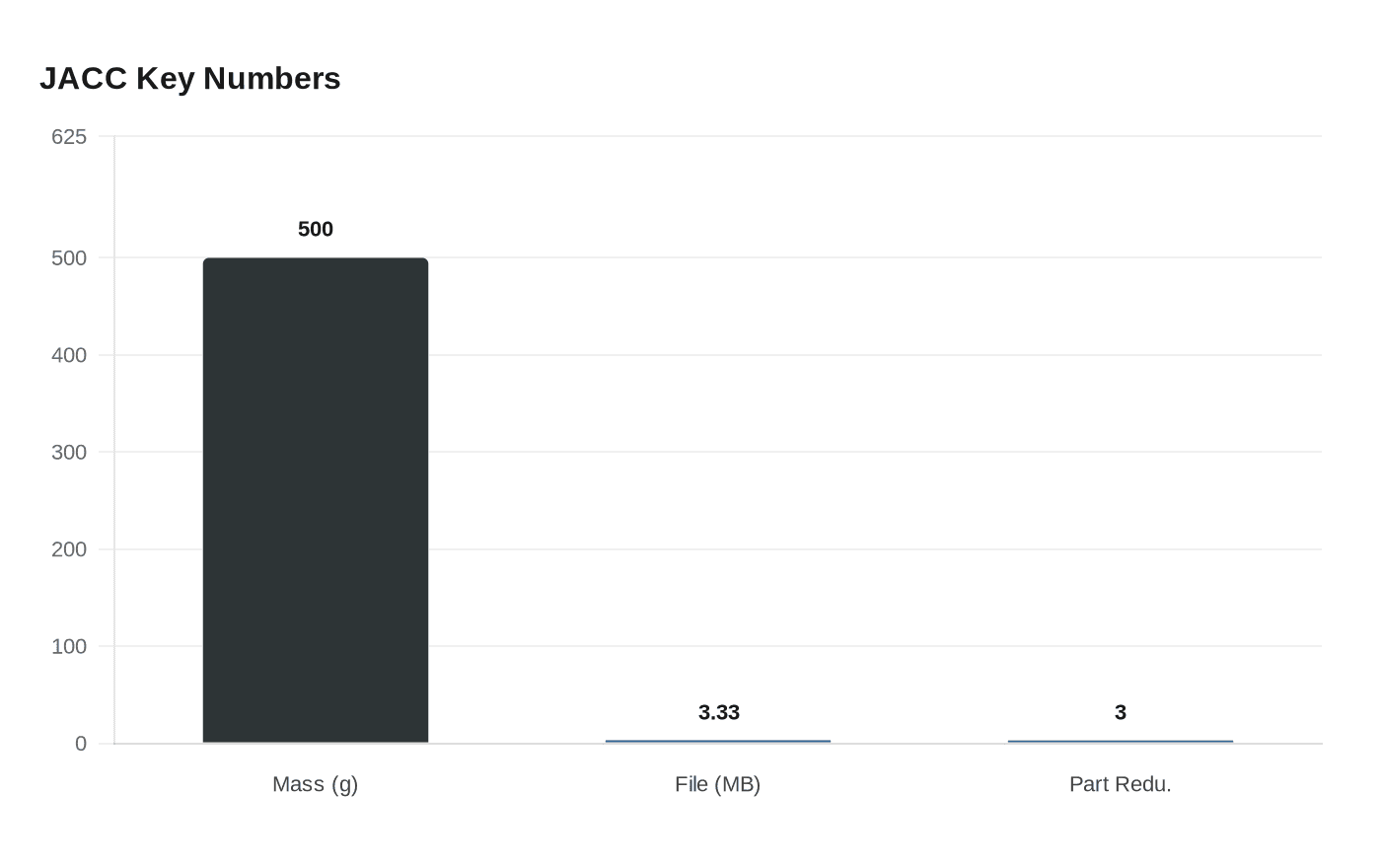
NASA Photojournal recorded the deployment with an onboard camera and published an animation labeled PIA26706, a MOV file of 3.33 MB, showing the spring popping from its container during a low Earth orbit pass over the Pacific; NASA also released a still image of JACC after deployment taken above Antarctica. Mechatronics Engineer Christine Gebara reported the hardware “survived launch and several months on orbit prior to popping open on command,” underscoring an on‑orbit survivability check before activation.

JPL says JACC and a second payload, the Solid Underconstrained Multi‑Frequency or SUM deployable antenna, comprise PANDORASBox - Prototype Actuated Nonlinear Deployables Offering Repeatable Accuracy Stowed on a Box - both flown aboard Mercury One as technology demonstrations. NASA Photojournal and Metal‑AM note JPL conceived, built, tested, and delivered JACC for flight in less than one year using JPL internal R&D funds and support from NASA’s Earth Science Technology Office.
Proteus Space has billed JACC as reducing part count by a factor of three compared with conventional designs, while Metal‑AM confirms the stowed mass under 500 g and the “small paperback” stowed footprint. Douglas Hofmann, senior research scientist and principal at JPL, highlighted the broader intent: “One of the novel capabilities of metal AM that we’ve been trying to exploit at JPL is the ability to make embedded springs, flexures, and mechanisms into structural hardware for applications like deployment, flexible thermal management, pointing, or manipulation/grasping.”
Development and flight owed to a compact collaboration: JPL led in‑house development and printing, with mission partners listed by Metal‑AM and LinkedIn including Proteus Space of Los Angeles, SpaceWERX, the Air Force Research Laboratory, Leonardo DRS, and the University of California, Davis. Hofmann also credited Proteus Space with enabling “rapid flight infusion” for the demonstration, and NASA’s public materials emphasize the potential for additive manufacturing to cut cost, complexity, and volume for future CubeSat and smallsat antenna systems.
While sources do not publish deployment telemetry or SUM’s outcome, the JACC demonstration provides an explicit, on‑orbit data point for metal additive manufacturing in flight hardware: a Ti‑6‑4, EOS M290‑printed compliant canister that launched from Vandenberg, survived months in orbit, and deployed on command, pointing toward smaller, simpler antenna systems for future smallsat missions.
Know something we missed? Have a correction or additional information?
Submit a Tip