NASA’s Psyche spacecraft uses Mars flyby to speed toward asteroid target
NASA’s Psyche spacecraft used Mars for a 1,000 mph slingshot and returned rare crescent views, turning a gravity assist into a camera rehearsal.
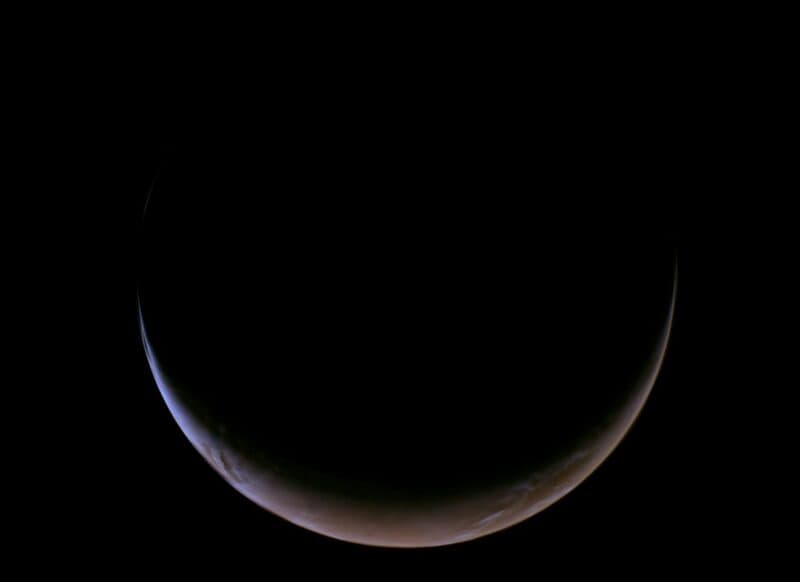
The Mars flyby that pushed NASA’s Psyche spacecraft faster toward its asteroid target also delivered a scientific payoff: rare images of Mars from a steep viewing angle and a full systems check for the instruments that will study a metal-rich world in deep space.
Psyche swept past Mars on May 15, coming within 2,864 miles, or 4,609 kilometers, of the planet’s surface. NASA said the maneuver gave the spacecraft a 1,000 mile-per-hour boost and shifted its orbital plane by about 1 degree, all without burning onboard propellant. That kind of mission choreography matters because every ounce of saved fuel helps extend the spacecraft’s reach on its trip to asteroid Psyche in the main asteroid belt between Mars and Jupiter.
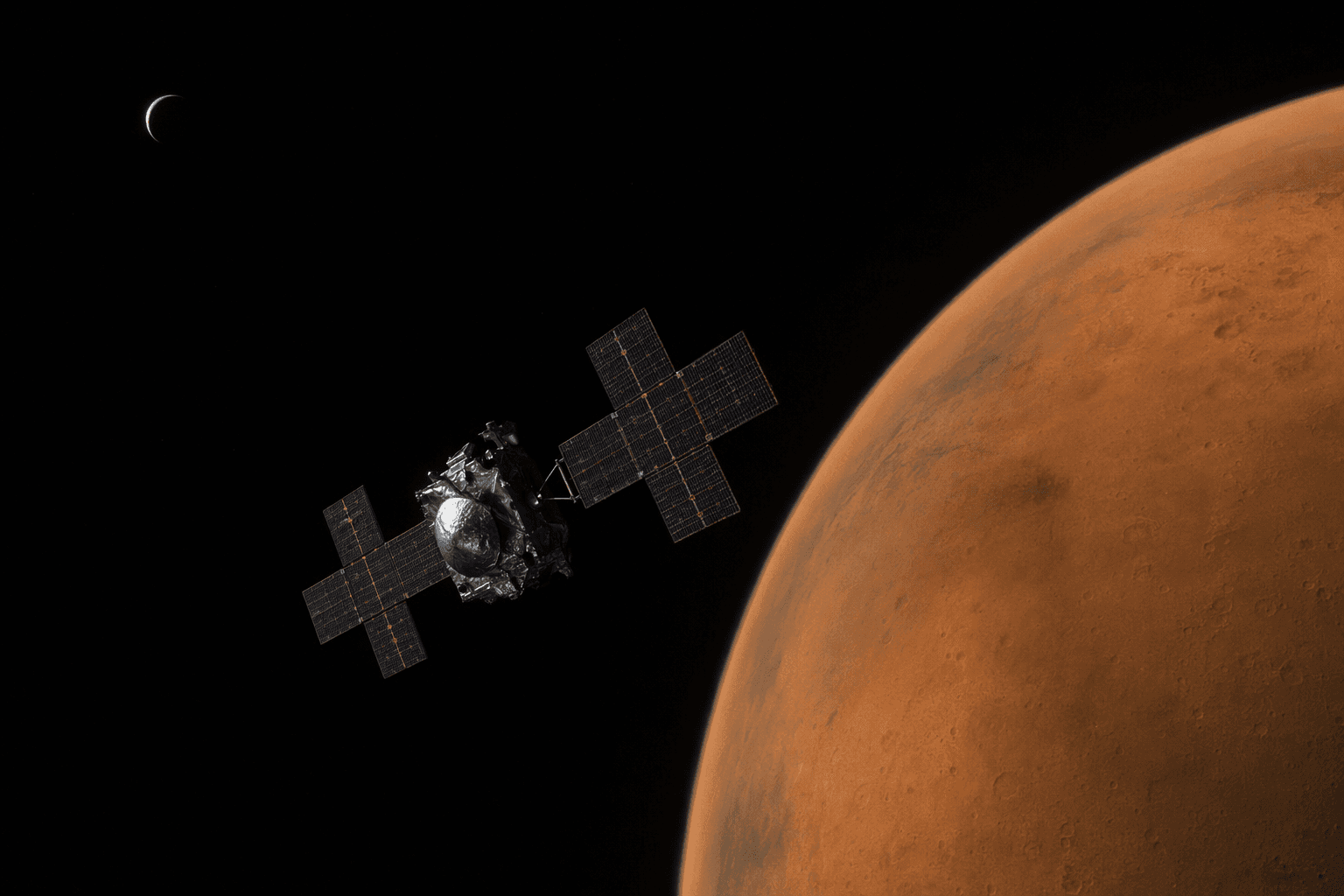
The flyby also served as a practice run for the spacecraft’s science package. During the encounter, Psyche powered up its imagers, magnetometers, and gamma-ray and neutron spectrometer for calibration before arrival at the asteroid. NASA described the resulting Mars views as a rare perspective, taken from a high-phase angle that made the planet appear as a thin crescent rather than the familiar disk seen from Earth.
One colorized image captured on May 3, when Psyche was about 3 million miles, or 4.8 million kilometers, from Mars, showed sunlight reflected and scattered by Martian dust. That created an extended crescent that gave engineers a chance to test how the cameras handled light and contrast in the kind of conditions they may face later at asteroid Psyche. Another image, taken around 5:03 a.m. PDT on May 15 near closest approach, showed a crescent Mars from a closer vantage point.
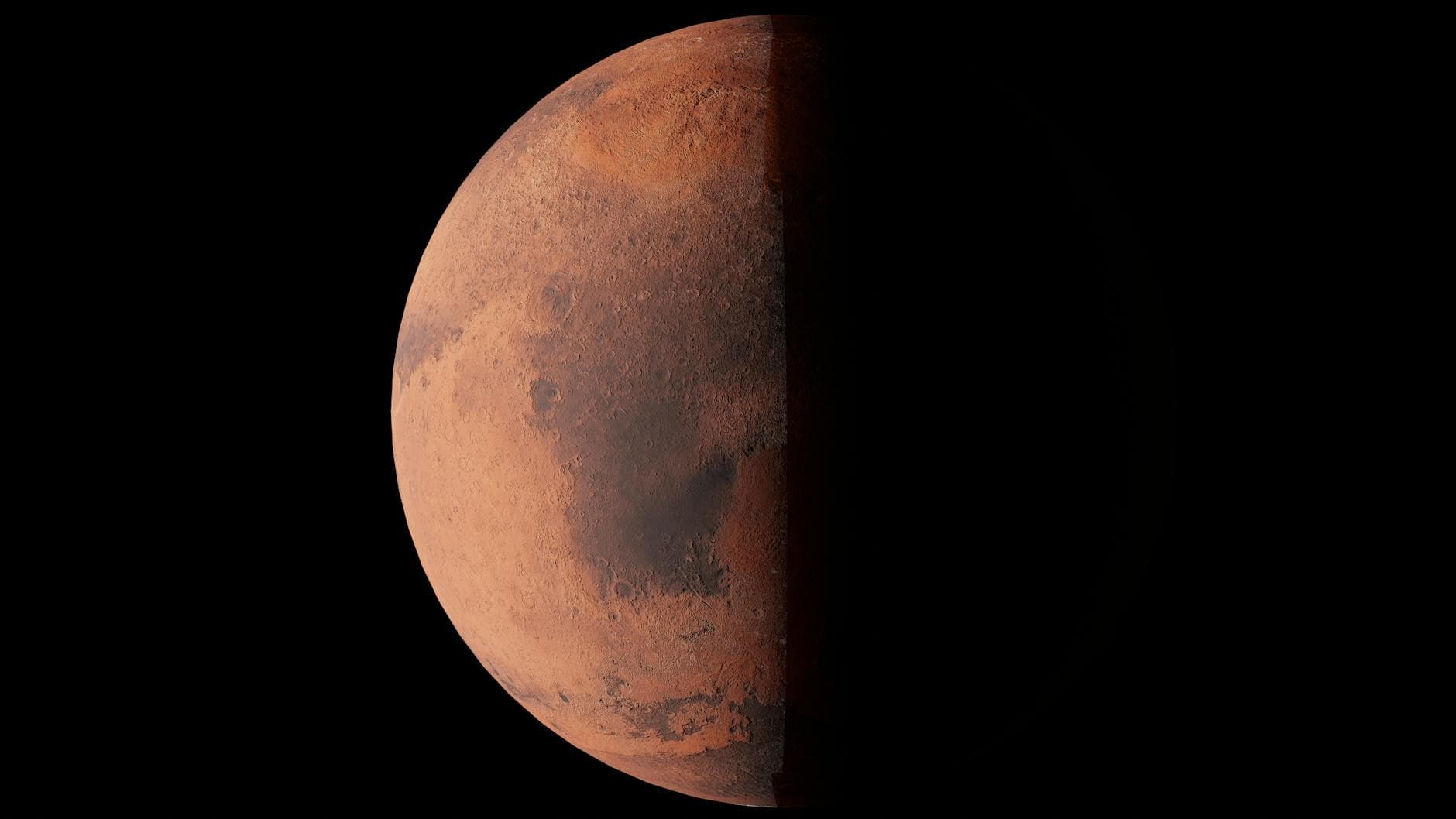
NASA later released a post-flyby view of Mars’ south polar cap, which the agency said was Psyche’s first look at a nearly full Mars after closest approach. The image stretched from the south polar cap northward to Valles Marineris, the canyon system that cuts across the planet. NASA said the south polar cap feature is more than 430 miles, or 700 kilometers, across.
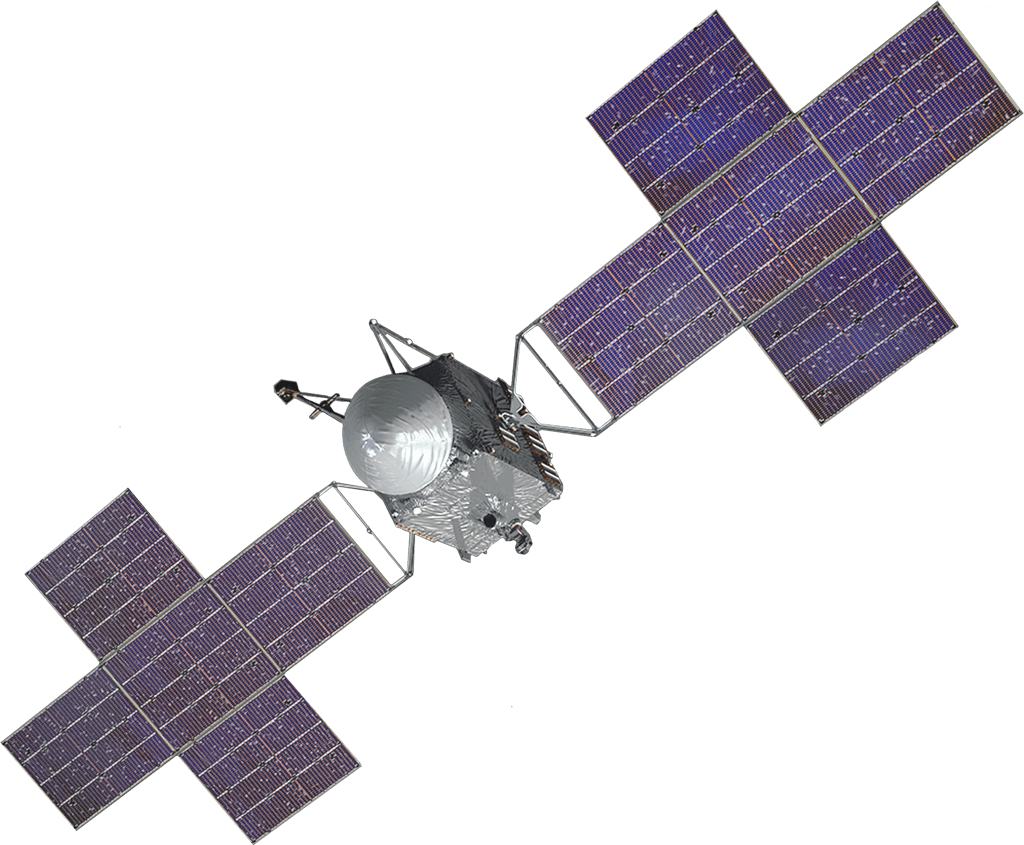
Launched in October 2023, Psyche is headed for an asteroid scientists think may be the partial core of a planetesimal, one of the building blocks of an early planet. NASA has described the target as a mysterious, likely metal-rich world that could help explain how planets formed. The spacecraft is on course to arrive in summer 2029, with NASA’s mission page saying exploration will begin by August 2029.
Know something we missed? Have a correction or additional information?
Submit a Tip