Robert Woodson, self-reliance activist and Woodson Center founder, dies at 86
Robert Woodson, who built a Black conservative case for self-reliance and neighborhood institutions, died at 89 after shaping fights over schools, crime and welfare.
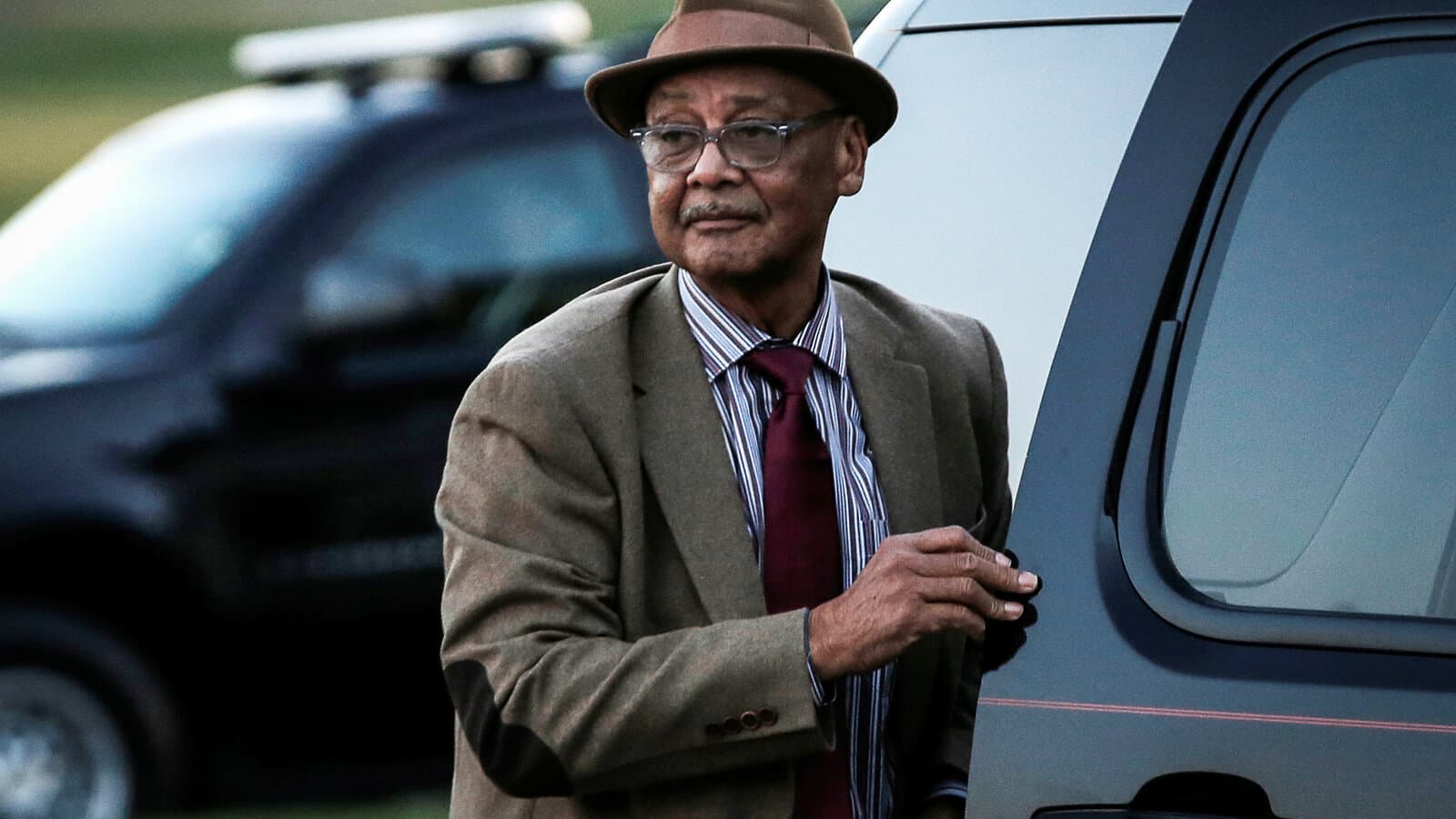
Robert L. Woodson Sr. built a lifetime argument that Black advancement would come less from Washington than from families, churches and neighborhood institutions, a view that made him one of the most durable conservative voices on race, poverty and crime. Born in Philadelphia in 1937, Woodson dropped out of high school, joined the Air Force in 1954 and earned his GED while serving. He died Wednesday at 89.
Woodson went on to earn a bachelor's degree in mathematics from Cheyney University in 1962 and a master's degree in social work from the University of Pennsylvania in 1965. His social activism dates to the 1960s, and in the 1970s he directed the National Urban League’s Administration of Justice division. He later served as a resident fellow at the American Enterprise Institute before resigning in 1981 to launch the National Center for Neighborhood Enterprise.
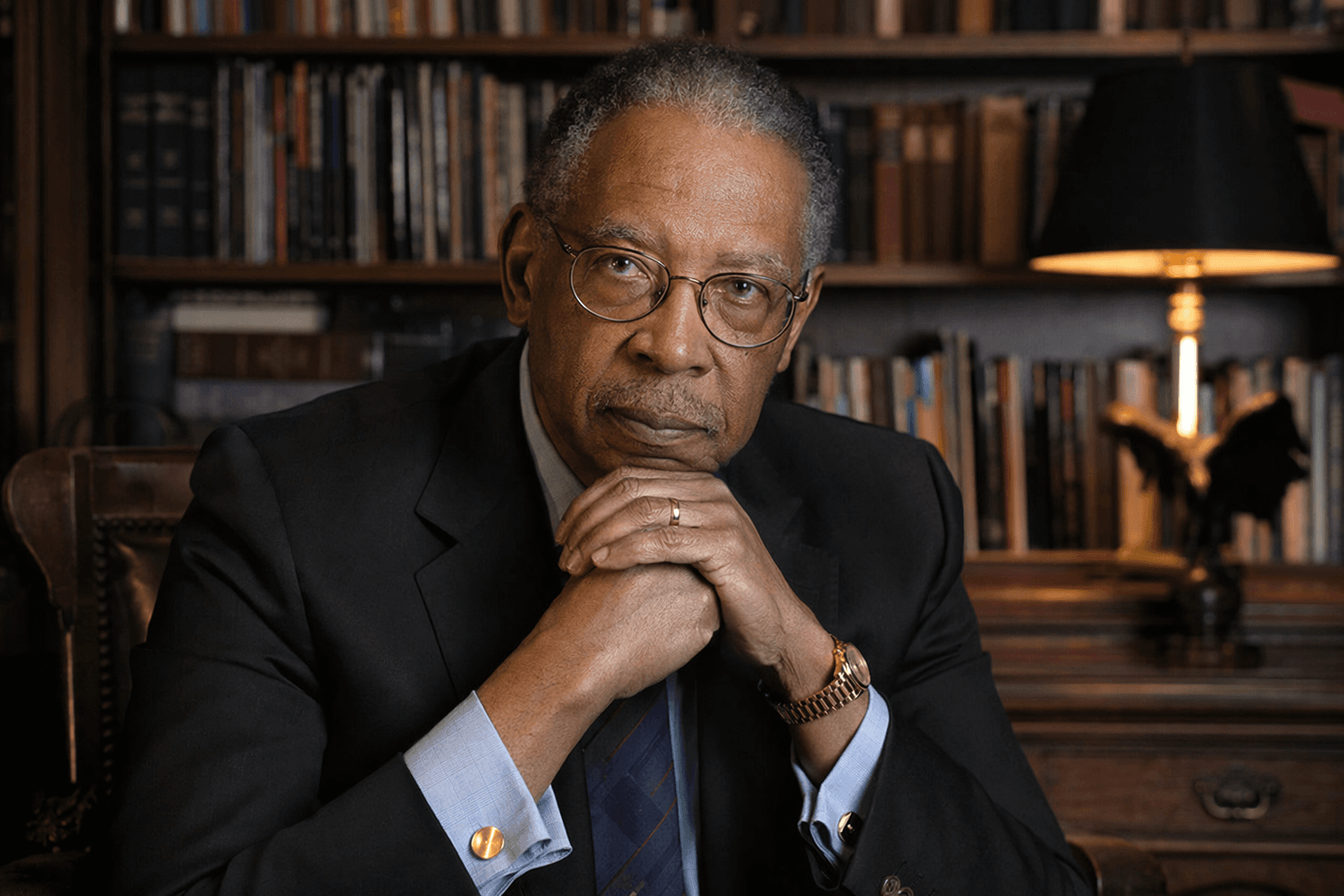
That organization, later renamed the Woodson Center in 2016, became the vehicle for Woodson’s central claim: that residents of low-income neighborhoods should be equipped to solve their own problems through local leadership, not managed as passive recipients of federal antipoverty policy. The center says it has trained and provided technical assistance to more than 2,600 leaders in 39 states, and that those groups helped secure more than 10 times the funding the center spent. Its model emphasized market principles, entrepreneurship, competition and faith-based initiatives, aimed at reducing crime and violence, restoring families, revitalizing underserved communities and building economic enterprise.
Woodson pushed that same philosophy into the culture wars with 1776 Unites, which launched in February 2020 as a nonpartisan, intellectually diverse alliance focused on education, culture and upward mobility. The project was built as a direct answer to The 1619 Project and as a defense of what Woodson called America’s founding ideals as a route to uplift. In today’s arguments over school choice, neighborhood safety and welfare policy, Woodson’s influence is visible in the insistence that durable change comes from local accountability, not simply more federal spending.
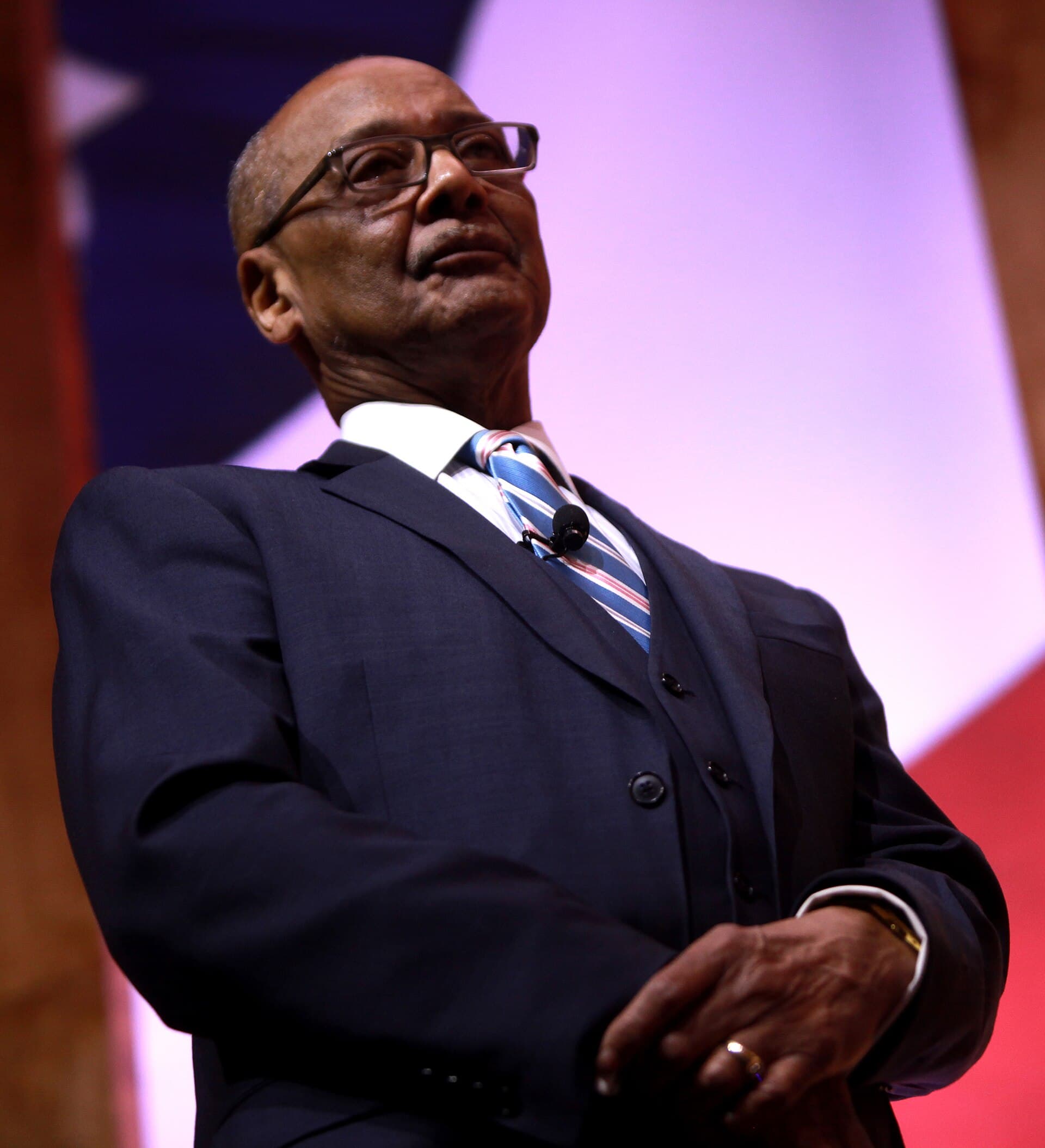
The Woodson Center says he received the MacArthur “Genius” Fellowship, the Presidential Citizens Medal, the 2018 William Wilberforce Award and the Heritage Foundation’s 2020 Salvatori Prize for American Citizenship. Supporters long held him up as a model of neighborhood-based empowerment. Critics argued that his focus on personal responsibility understated structural racism. His death leaves intact a framework that still shapes how many Americans argue about schools, crime and the proper limits of government.
Know something we missed? Have a correction or additional information?
Submit a Tip