National Parks 2026: Expanded Fee-Free Days, Digital Passes, Pricing Shifts
Digital America the Beautiful passes roll out Jan 1, 2026, new fee‑free dates include July 3–5 and other holidays, and several high‑traffic parks have changed reservation rules while pricing and residency rules remain under review.
1. Expanded fee‑free days and the residency question
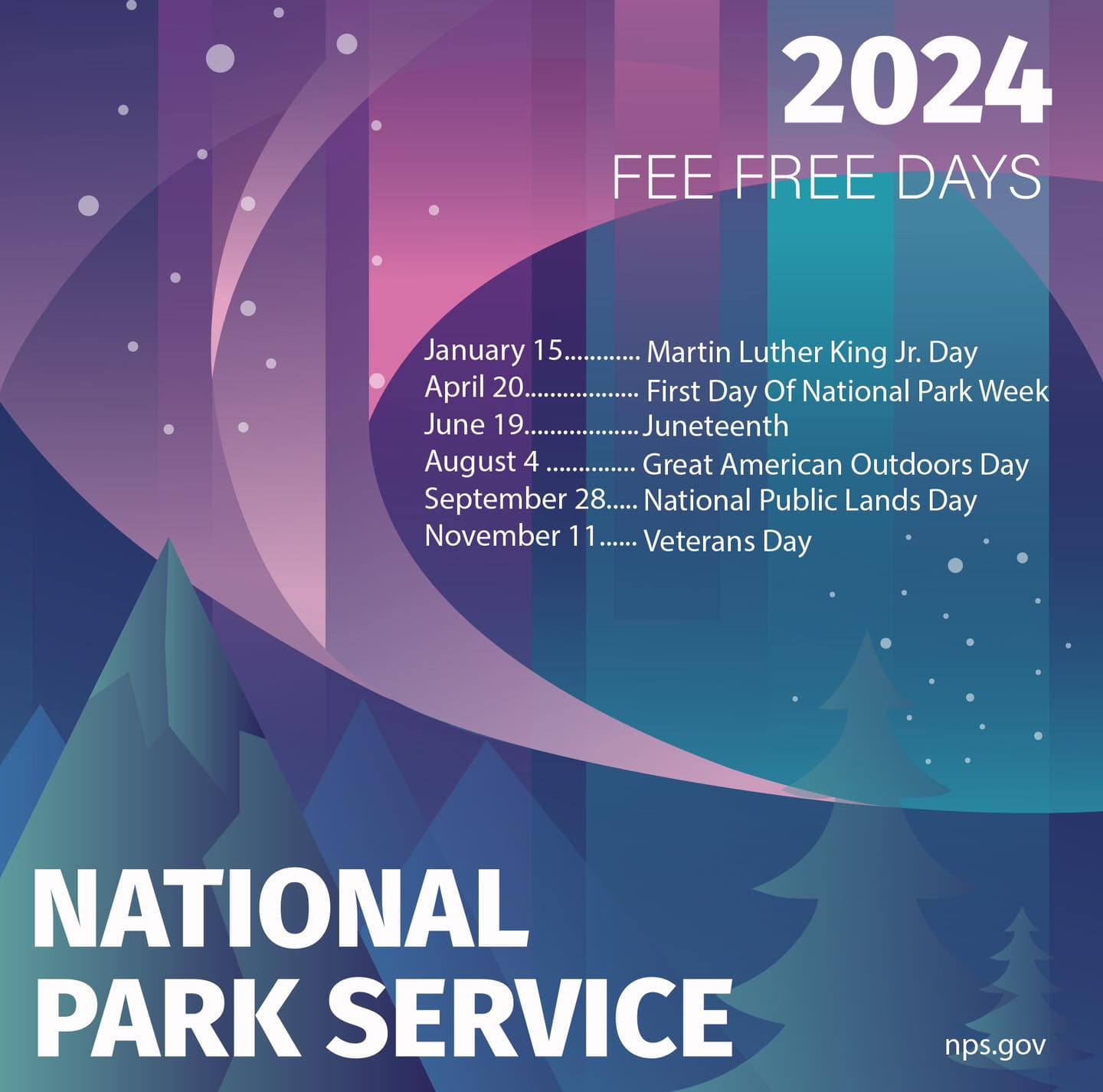
The Department of the Interior released a list of eight fee‑free dates for 2026 as part of its modernization package—President’s Day (February 16), Memorial Day (May 25), Flag Day/President Trump’s birthday (June 14), Independence Day weekend (July 3–5), the National Park Service 110th birthday (August 25), Constitution Day (September 17), Theodore Roosevelt’s birthday (October 27), and Veterans Day (November 11)—and framed the rollout as part of “the most significant modernization of national park access in decades.” Those dates come from DOI press materials that say the improvements launched on Jan. 1, 2026 and present a “resident‑focused fee structure.” Consumer coverage flagged a sharper edge to that language: Weather.com explicitly reported “special rules limiting eligibility to U.S. residents on those days.” The DOI materials provided here do not reproduce explicit residency‑only language for the fee‑free dates, so this is a live discrepancy—official fee and eligibility text from the DOI or the National Park Service should be checked before planning travel. DOI also says revenue from new fee policies will be reinvested into visitor facilities, maintenance and services, so the policy change is being pitched as both access and infrastructure reform.
2. Digital America the Beautiful passes, artwork and motorcycle coverage
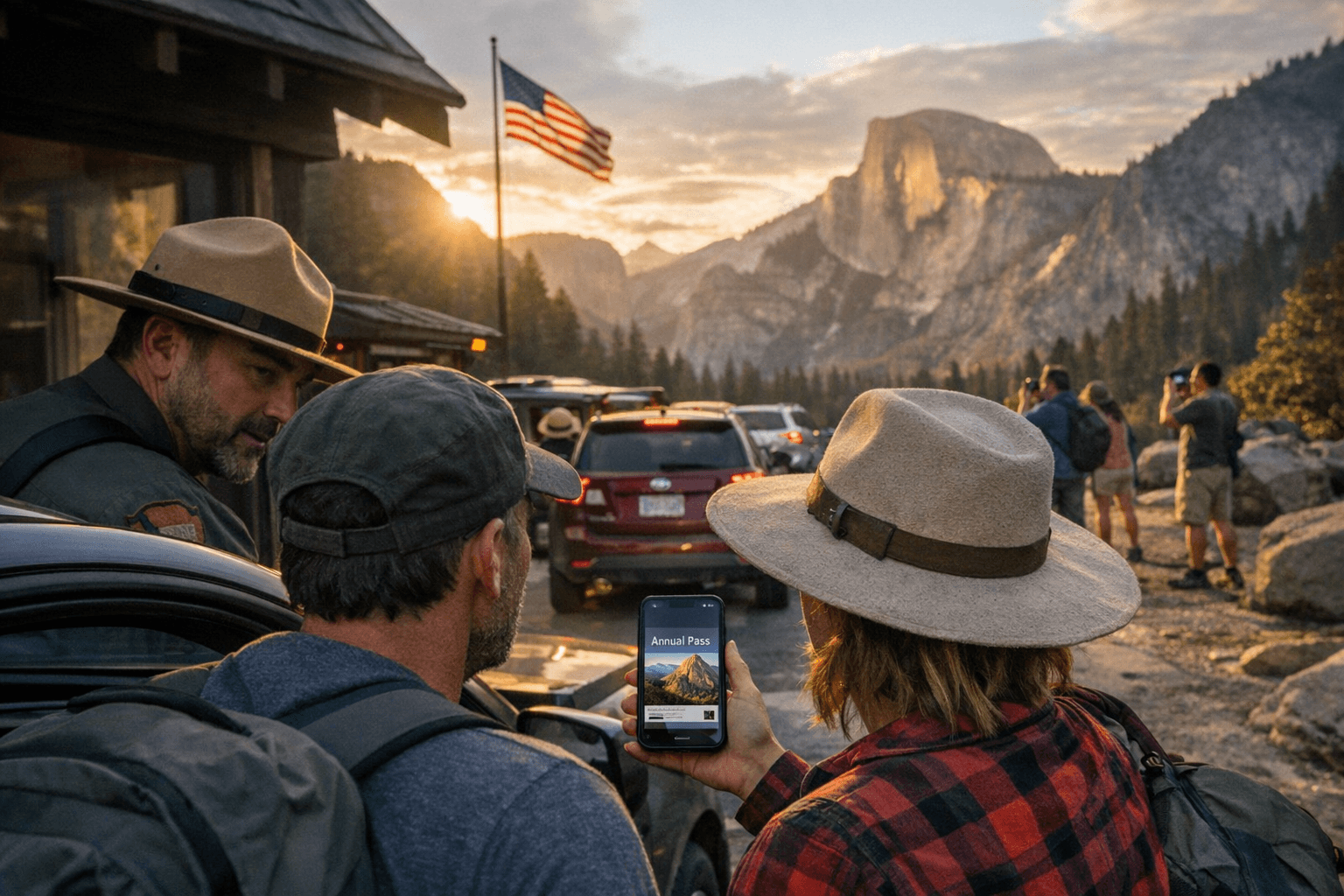
A key piece of the DOI package is a digital version of the America the Beautiful pass—DOI materials list “new digital America the Beautiful passes” and updated annual pass artwork as part of the Jan. 1, 2026 launch—positioned alongside product changes such as expanded motorcycle coverage. The department’s materials state plainly, “All America the Beautiful passes will now cover two motorcycles per pass, making national park adventures more accessible for riders and families who travel on two wheels.” Consumer outlets have already flagged visual and production changes—the Backpacker headline referenced “stickering over the President’s face” while DOI itself promises updated artwork—but the supplied DOI excerpt does not detail whether digital passes replace physical cards, how they will be issued or how validation will work at park gates and trailheads. For now, treat the digital rollout and artwork update as confirmed in principle; expect operational FAQs from DOI and NPS to clarify whether old paper passes remain valid, how digital validation is enforced, and whether the digital option is optional or primary for 2026 visits.
3. Pricing shifts, headline claims to verify, and reservation‑system shakeups at major parks
Weather.com grouped “pricing shifts” with fee‑free days and digital passes as a top consumer takeaway for 2026, and outdoor outlets have run related—and in some cases more alarming—headlines: Backpacker’s site linked stories about higher fees and even a “$100 per day” claim for some visitors and separate coverage suggesting non‑U.S. climbers could face steeper charges. Those dollar figures do not appear in the DOI excerpt provided here, so they should be treated as unverified until the official 2026 fee schedule is published. At the same time, park‑level access rules are already changing: Yosemite, Glacier and Arches are rolling back seasonal timed‑entry or vehicle reservation systems for summer 2026 and shifting to real‑time traffic management and targeted interventions, while Rocky Mountain will continue timed entries from Memorial Day weekend through mid‑October and Haleakala still requires a Summit Sunrise Reservation for every vehicle entering between 3 and 7 a.m. Glacier removed its park‑wide vehicle reservation requirement for 2026 but will keep active management on Going‑to‑the‑Sun Road and parking at Logan Pass and deploy temporary vehicle diversions if safety thresholds are reached; ThePointsGuy notes Glacier was the 10th‑most‑visited park in 2024. Conservation groups have pushed back on blanket rollbacks: Sarah Lundstrum of the National Parks Conservation Association warned that “We know managing access to some of our most visited national park sites makes a positive difference, improving visitor experiences and protecting the views, wildlife and the very reasons people seek out our parks,” adding that “Vehicle congestion within Glacier can dominate the visitor experience and take away from the work rangers are meant to be doing,” and that “Traffic, long lines, and blocked views can ‘ruin a once‑in‑a‑lifetime trip to Glacier.’” Practically, outlets covering the changes advise visitors to arrive early, explore lesser‑traveled areas, and monitor individual park announcements because many parks will rely on increased seasonal staffing, parking limits, temporary diversions and other measures rather than advance reservations.
Conclusion Taken together, the DOI modernization promises three tangible shifts for anyone plotting a Southwest adventure in 2026: a short, clearly enumerated set of fee‑free days, a move into digital passes and product tweaks for riders, and a mixed bag of pricing and reservation changes that vary by park. Some claims circulating in the outdoor press—residency limits on fee‑free days and headline fee hikes—are not fully reconciled with the DOI excerpt available here and should be confirmed against the full DOI/NPS fee schedule and park notices. Expect the operational details to matter: whether a pass is digital or paper, whether a fee‑free day requires residency proof, and whether a park opts for real‑time traffic management or a reservation window will change how you pack, when you arrive, and the routes you choose inside the parks.
Know something we missed? Have a correction or additional information?
Submit a Tip