Nationals quit Coalition as Liberals back fast-tracked hate laws
The Nationals sever formal ties with the Liberals after a split over rushed hate-speech laws, fracturing the opposition and raising urgent questions about parliamentary discipline.
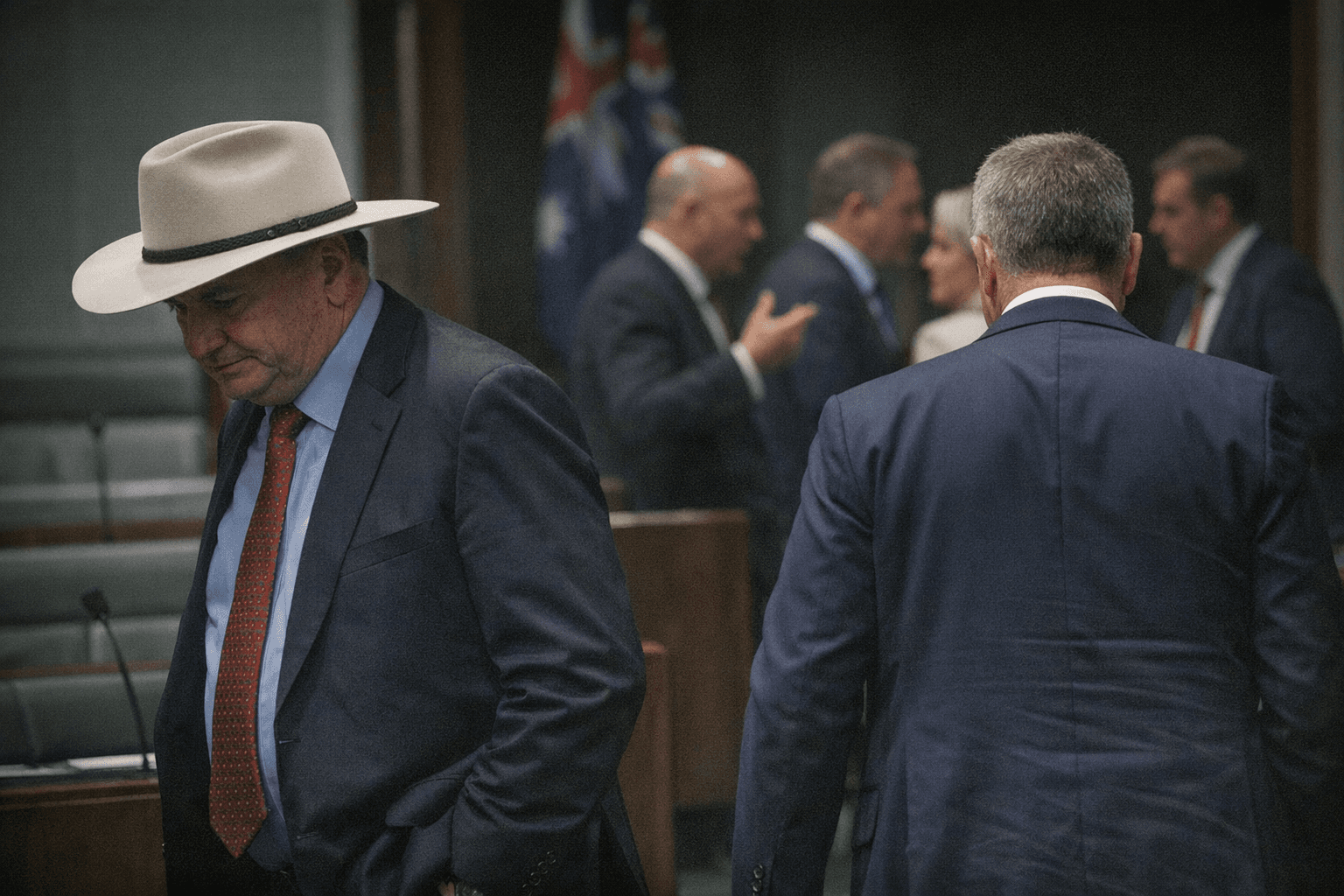
Australia’s centre-right Coalition has fractured after the Nationals severed formal ties with the Liberal Party following a dispute over recently passed hate-speech laws. The rupture was triggered when three Nationals frontbench senators refused to follow shadow-cabinet solidarity on amended legislation introduced after the Bondi Beach terror attack that killed 15 people.
The dispute began Tuesday evening when senators Bridget McKenzie, Ross Cadell and Susan McDonald either crossed the floor or abstained in the lower house and voted against the bill in the Senate. Those moves directly contravened the Coalition shadow-cabinet's decision to support the amended text. The legislation, fast-tracked amid public shock at the attack, cleared the Senate by 38 votes to 22 with Labor and the Liberals aligned on the final form.
That alignment, and the Nationals' dissent, set off rapid political escalation. Opposition leader Sussan Ley accepted the three senators' resignations from the shadow ministry on Wednesday afternoon for breaching frontbench convention. Ross Cadell responded to his demotion by invoking political custom: "I understand if you do the crime, you have to take the time, and if it is so requested, I will be stepping down."
Within hours, in a show of solidarity, the remaining Nationals frontbench resigned en masse. Nationals leader David Littleproud and all Nationals frontbenchers submitted their resignations, and on Thursday morning Littleproud formally confirmed that his party would no longer operate in coalition with the Liberals. Ley said the Nationals had been put in an "untenable position" and urged a reversal, describing the mass resignations as "unnecessary." She also framed her response to the wider national mood, saying "my responsibility as leader of the opposition and leader of the Liberal party is to Australians in mourning."
The laws at the centre of the crisis expand powers for the home affairs minister to outlaw membership of designated hate groups and to cancel visas for people judged to be spreading hate, as well as imposing bans on groups and tougher penalties for preachers advocating violence. Critics within the Nationals and elsewhere argued the bill had been rushed and presented risks to free expression. Supporters said the measures were necessary to blunt an escalation of public harm after the Bondi attack.
Beyond the immediate personalities, the split exposes deeper fractures in the conservative coalition: tensions over how to respond to national security and social cohesion, differing calculations about freedom of speech, and growing pressure from minor parties on the right. Polling since the episode shows slippage in Coalition primary support and gains for populist rivals, a shift political analysts say is intensifying strain within conservative ranks.
Practical questions now loom. It is not yet clear whether a formal written termination of the Coalition agreement will be lodged or how parliamentary mechanics will handle shadow-cabinet responsibilities and voting discipline. The split also raises fresh questions about the stability of Sussan Ley's leadership and whether the Liberals will be able to present a unified alternative to Prime Minister Anthony Albanese's government.
For now, Canberra confronts an opposition divided at a moment when national anxieties around security and community cohesion are high. How the parties reorganise and whether the Nationals' break endures will shape the centre-right's ability to contest upcoming political fights and influence the balance of Australian politics.
This article was produced by Prism’s automated news system from verified source data, official records, and press releases, then run through automated quality and moderation checks before publishing. The system is built and supervised by the people who set the standards it runs under. Read our full AI policy.
Did this article answer your question?