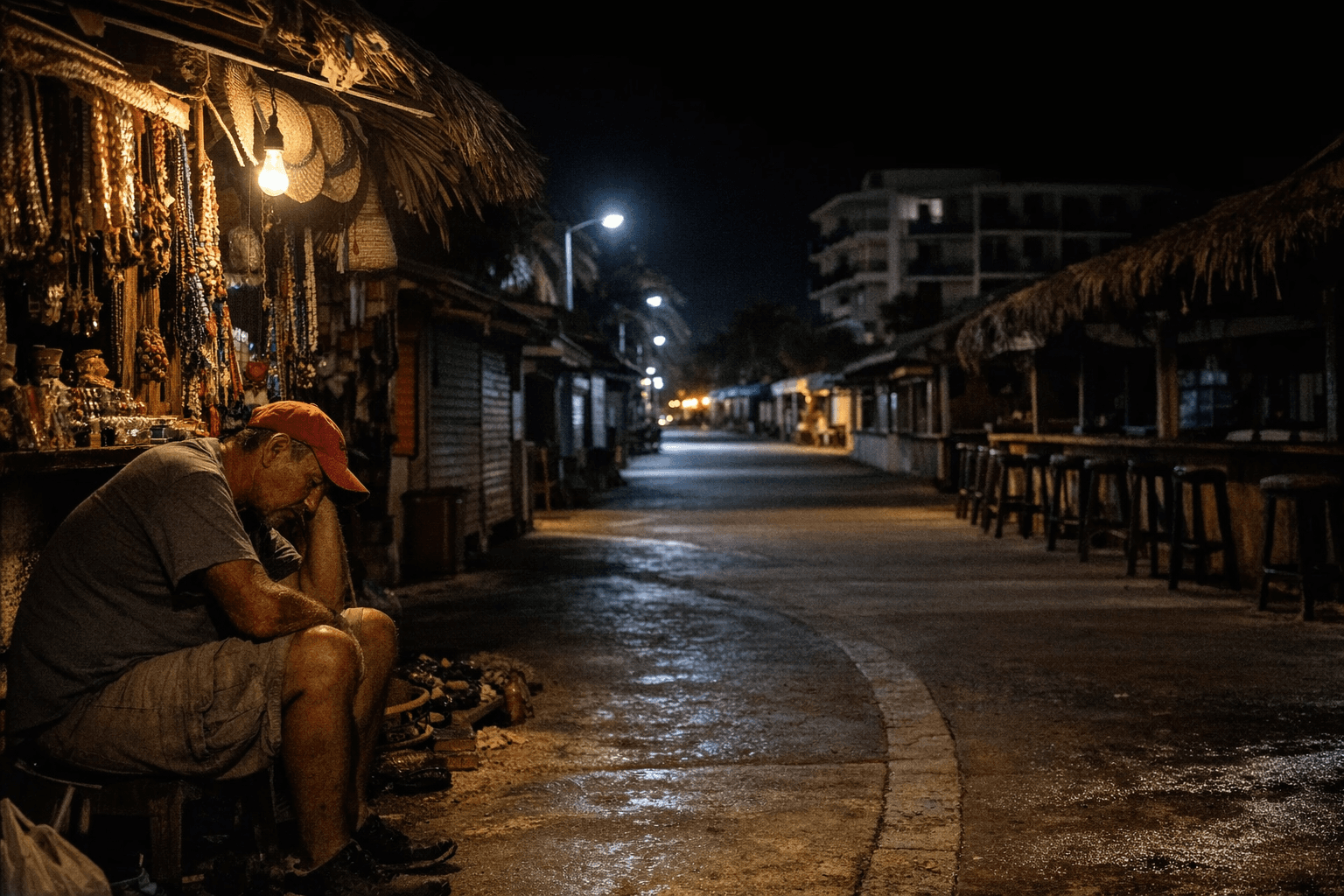
Nationwide Cuban Blackout Leaves Havana Dark Six Hours, 1,905 MW Deficit
A nationwide electrical collapse on Jan. 19 left Havana without power for more than six hours and revealed a 1,905 MW shortfall, raising the risk of further unplanned outages.

A major nationwide electrical collapse on Jan. 19 plunged the Cuban capital into darkness for more than six continuous hours and exposed an availability shortfall of roughly 1,905 MW during peak demand. Electric Union data and company notes show Havana went without service from about 6:39 p.m., with full restoration reached after midnight. At one point a 359 MW impact shut down five of six distribution blocks in the city.
The outage followed simultaneous breakdowns at several thermoelectric plants - Mariel, Felton, Antonio Maceo and Carlos Manuel de Céspedes - and was compounded by a lack of fuel that left many distributed generation units offline. Aging infrastructure further reduced system resilience. Solar parks did provide relief, contributing hundreds of megawatts at peak, but that output could not offset the fall in thermal generation during the crisis.
The immediate effects were practical and widespread. Beyond the obvious loss of household power, the blackout disrupted refrigeration, lighting, and small businesses that rely on continuous power, and affected traffic signals and other municipal services in La Habana. Municipal electrical companies worked through the night to reclose distribution blocks and restore service, but the scale of the shortfall meant rotations and targeted cutoffs were used while technicians repaired damaged equipment and attempted to bring idle plants back online.
For residents, the situation underscores the need to plan for intermittent service. Charge essential devices, keep a supply of drinking water and basic refrigeration contingencies in mind, and check with local electrical offices (empresas eléctricas municipales) for updates on schedules and safety notices. Community centers and workplaces that depend on continuous power should review backup plans for critical loads such as medical devices and temperature-sensitive goods.
The crisis also highlights structural challenges in Cuba’s power system. Heavy reliance on thermoelectric generation leaves the grid vulnerable to plant failures and fuel shortages, while distributed generation and solar parks, though increasingly important, are not yet large enough or sufficiently dispatchable to cover simultaneous large drops in thermal output. Electric Union figures warn that unplanned blackouts may continue while overall availability remains low and repairs and refueling proceed.
What comes next will depend on repair timelines at the affected centrales termoeléctricas, fuel delivery for distributed units, and how rapidly maintenance crews can return capacity to service. For now, prepare for possible further interruptions and follow local company notices for restoration updates and safety guidance.
Sources:
Know something we missed? Have a correction or additional information?
Submit a Tip