NATO allies boost crisis forces as U.S. cuts commitments
Europe and Canada are backfilling NATO crisis forces after U.S. cuts, but the test is whether the new mix can hold in a real war.
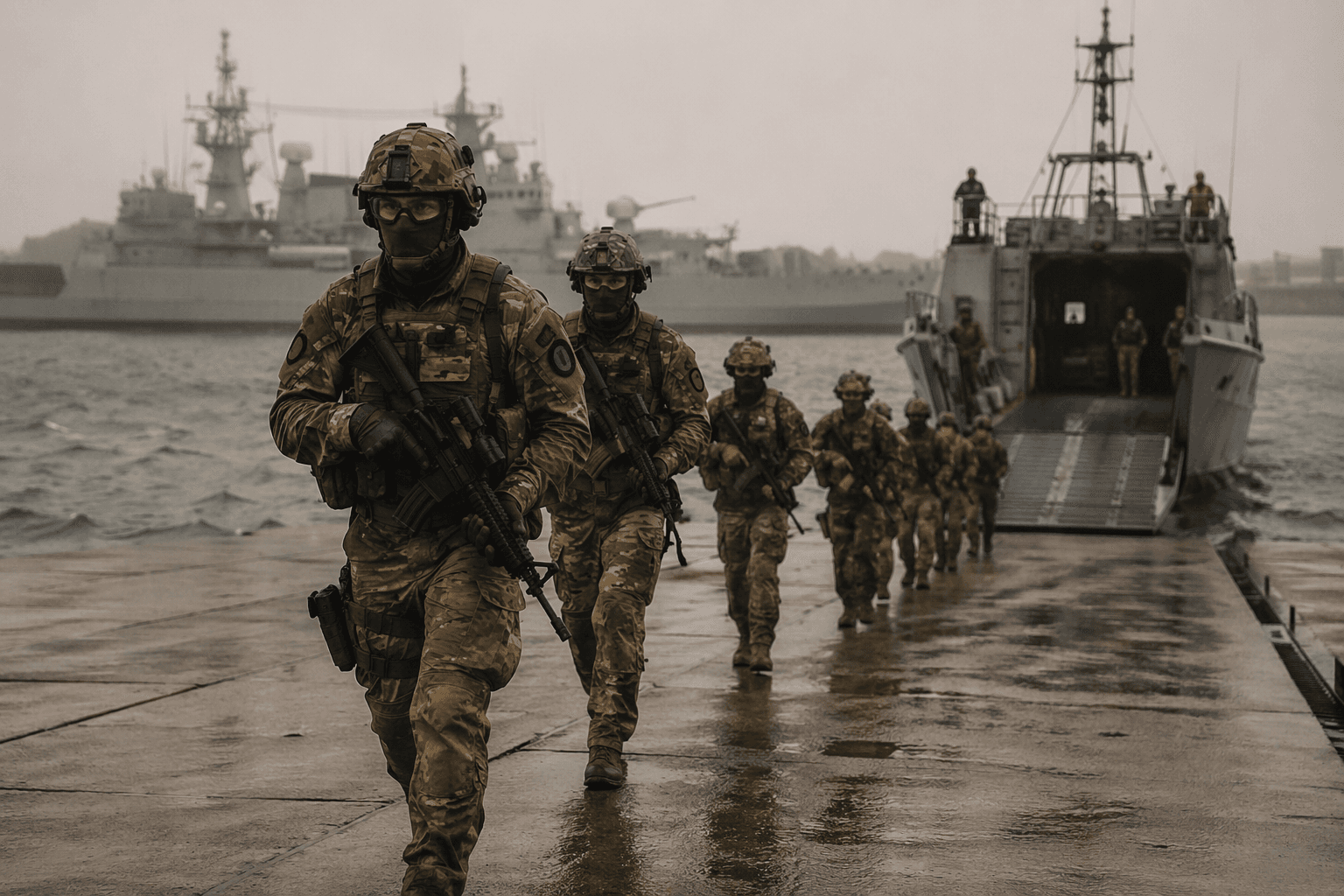
NATO allies have started filling crisis-force slots left open by the United States after Washington cut back the pool of military assets it is willing to commit in a crisis, a shift that is forcing Europe and Canada to prove they can do more than absorb staffing gaps. The immediate political question is not whether NATO survives the change, but whether the alliance can still field enough aircraft, ships and enablers fast enough to deter Russia without leaning on U.S. muscle at every turn.
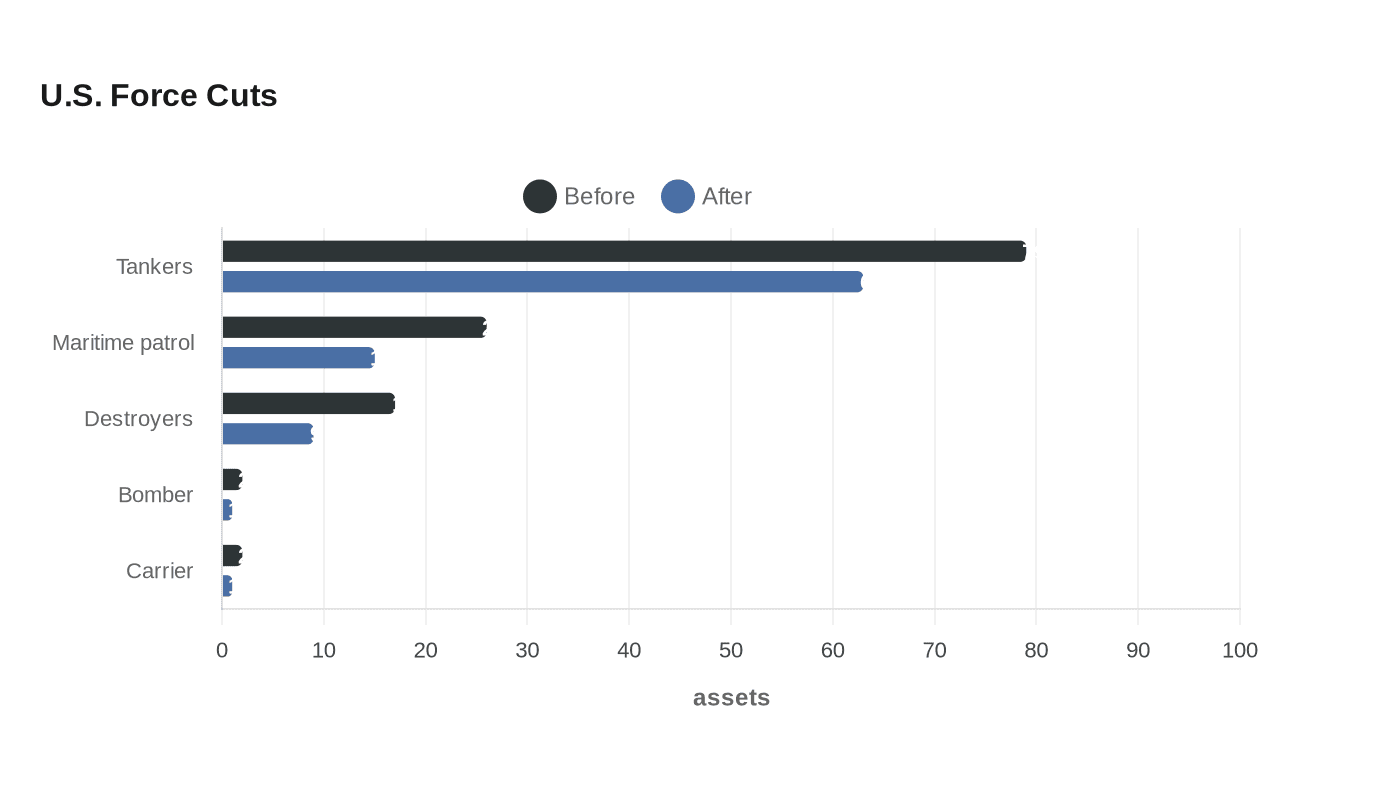
Washington told allies at NATO headquarters in Brussels on May 22 that it would rightsize its NATO Force Model contributions, according to allied briefings. The reductions reach deep into the force package: the U.S. commitment of F-15 and F-15E fighters falls to 99, MQ-4 and MQ-9 drones to 12, and KC-135 and KC-46 tankers to 63 from 79. The cuts also trim maritime patrol aircraft to 15 from 26, destroyers to 9 from 17, one strategic bomber instead of two, one aircraft carrier instead of two, and the only cruise-missile submarine is removed from the commitment list.
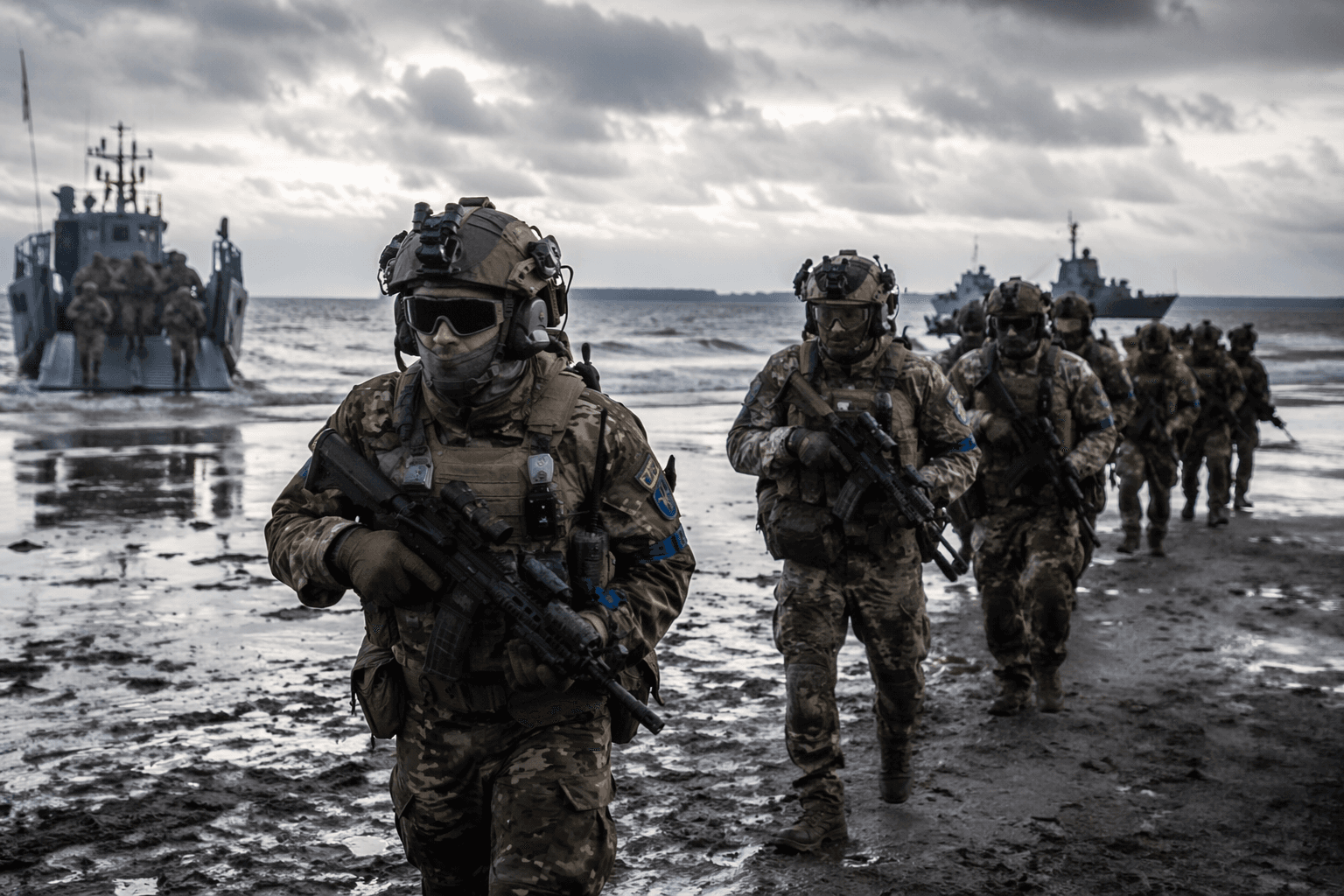
That rebalancing has put pressure on European capitals and Ottawa to step in quickly. NATO’s top commander, U.S. Air Force Gen. Alexus Grynkewich, said there had been an “unhealthy co-dependence” on U.S. forces in the NATO Force Model, and argued the change would make alliance planning more realistic in a world where simultaneous conflict in multiple theaters is possible. United States European Command said the move matches the 2026 National Defense Strategy and a “NATO 3.0” vision that gives Europe primary responsibility for conventional defense.
NATO Secretary General Mark Rutte said on June 17 in Brussels that there were still areas needing more work, but that the overall picture was looking good. NATO military headquarters has also said the categories being reduced are ones where allies already have, or soon will have, sufficient capabilities, and that no defense gaps are expected to emerge because nations need only assign the capabilities they already possess to NATO.
The issue was back on the table at Supreme Headquarters Allied Powers Europe in Mons, Belgium, on June 2-3, when force-sourcing talks were held under U.K. Air Chief Marshal Sir Johnny Stringer. Allies enter the next stretch with the same practical test hanging over them ahead of the NATO summit in Ankara on July 7-8: whether Europe is merely relabeling existing forces for crisis duty, or truly reducing dependence on Washington in a real fight.
This article was produced by Prism’s automated news system from verified source data, official records, and press releases, then run through automated quality and moderation checks before publishing. The system is built and supervised by the people who set the standards it runs under. Read our full AI policy.
Know something we missed? Have a correction or additional information?
Submit a Tip