Ukraine says drone strikes are draining Russia’s missile interceptors
Ukraine says drone strikes are forcing Russia to burn through scarce interceptors as Moscow’s missile output rises, raising doubts about how long the strain lasts.
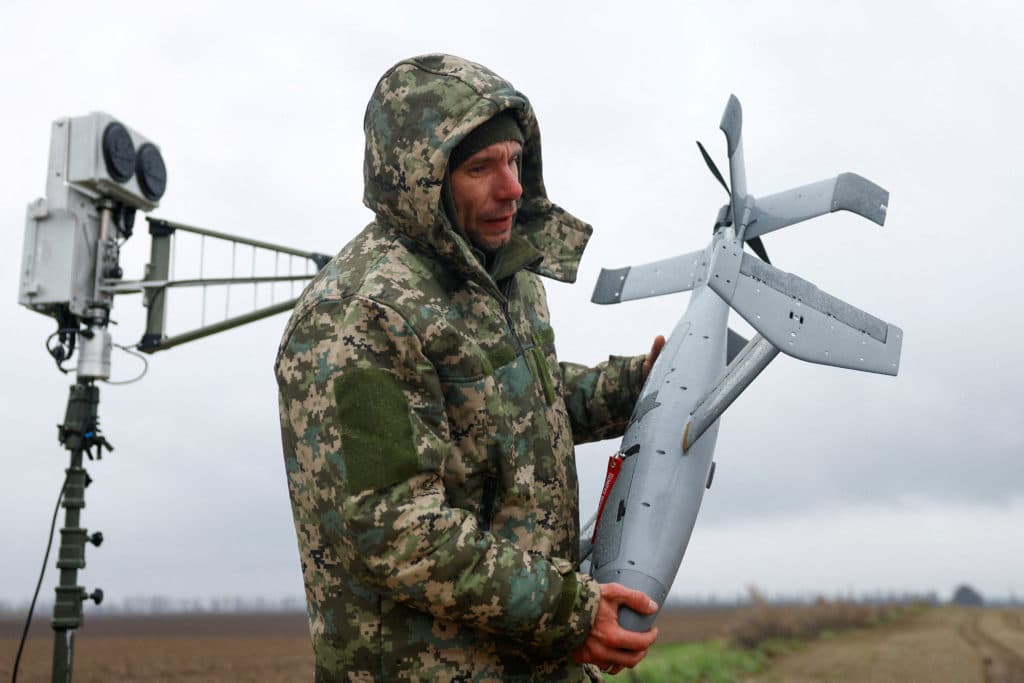
Ukraine’s drone campaign is doing more than striking Russian targets on the ground. Ukrainian intelligence says the escalating strikes are forcing Russia to expend interceptor missiles faster than Moscow can replace them, even as the Kremlin keeps widening its missile and drone assault on Ukraine.
That pressure is unfolding in an air war defined by production rates as much as battlefield hits. The Institute for the Study of War said on June 13 that Russia’s monthly missile output may now surpass U.S. monthly PAC-3 Patriot interceptor production, a worrisome sign for Ukraine because Patriot-class missiles are expensive, slow to make and still in short supply. Analysts have argued for months that Russia is trying to turn the air war into an attritional contest Ukraine cannot afford to fight round for round.
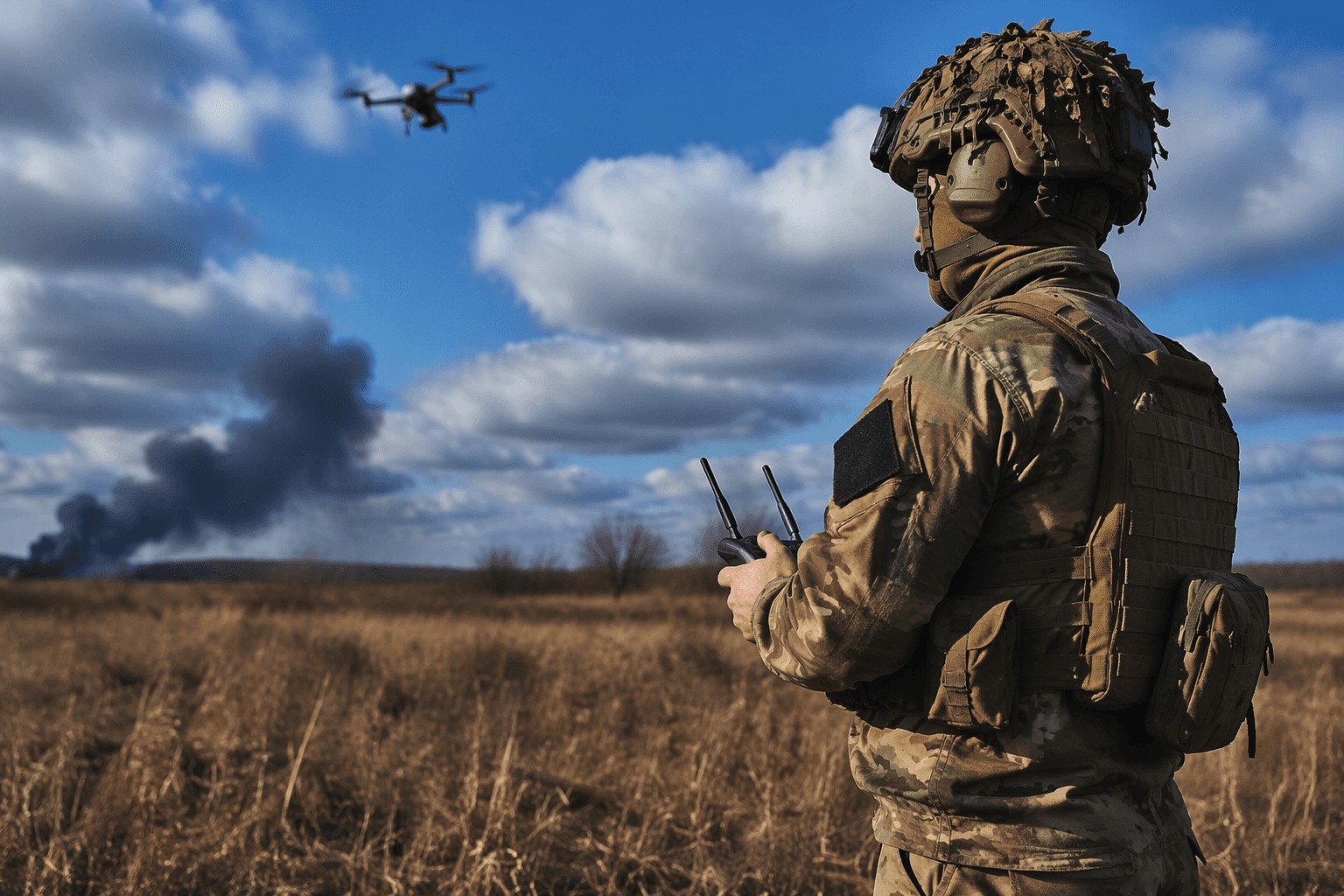
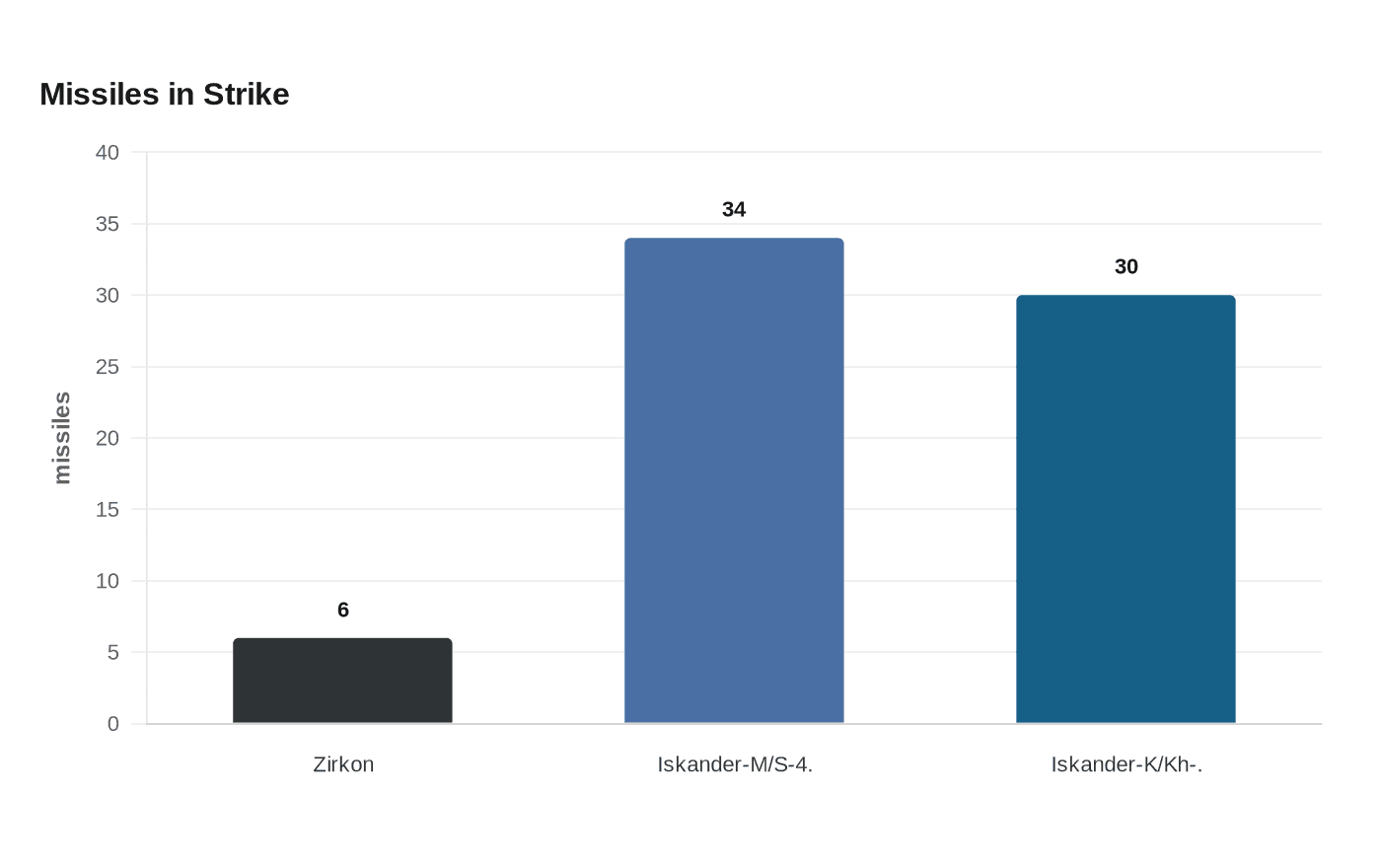
The latest attacks showed how much volume Russia can still generate. On the night of June 14 to 15, Russian forces launched 70 missiles in one strike package, including six Zirkon hypersonic cruise missiles, 34 Iskander-M ballistic missiles or S-400 air defense missiles, and 30 Iskander-K or Kh-101 cruise missiles. Reporting cited by analysts said Russia fired 34 ballistic missiles at Ukraine in that overnight attack, and Kyiv’s Patriot batteries shot down 15 of the 19 ballistic missiles aimed at the capital. Part of the historic Kyiv Pechersk Lavra compound was set ablaze in the attack.
That pattern fits what the Center for Strategic and International Studies has documented as a broader saturation campaign: waves of missiles and drones intended to overwhelm Ukrainian air defenses, force interceptors into the air, and grind down morale over time. Ukrainian officials say Russia is also exploiting a Patriot-interceptor shortage as ballistic-missile attacks grow in ferocity and magnitude.
Ukraine has responded by leaning harder on cheaper interceptor drones and testing other layered defenses, including low-cost anti-ballistic missiles, after Russian Shahed waves burned through Western-provided missiles faster than allies could resupply them. That adaptation may ease pressure at the margins, but it does not yet change the larger balance. Russia is still firing in large, coordinated salvos, and Ukraine’s scarce interceptors remain the side most exposed to exhaustion. The evidence points to temporary strain, not a decisive Russian vulnerability.
This article was produced by Prism’s automated news system from verified source data, official records, and press releases, then run through automated quality and moderation checks before publishing. The system is built and supervised by the people who set the standards it runs under. Read our full AI policy.
Know something we missed? Have a correction or additional information?
Submit a Tip